
20 ULTIMATE GUIDES TO SPORT MARKETING
20 ULTIMATE GUIDES TO SPORT MARKETING

Best exercises for building endurance in marathon running
Endurance is a critical component of marathon running. To complete a 26.2-mile race, runners must have the stamina and strength to keep going for several hours. Building endurance is not an easy task, but with the right training program and exercises, it is possible to increase your capacity to run longer distances. In this article, we will discuss some of the best exercises for building endurance in marathon running.
1. Long runs. Long runs are an essential component of marathon training. These runs are typically done once a week and involve running at a slower pace than your race pace for a longer distance. The goal of long runs is to build endurance and improve your body’s ability to use oxygen efficiently. As you progress through your training, you can gradually increase the distance of your long runs.
2. Tempo runs. Tempo runs are another type of training run that can help build endurance. These runs are done at a slightly faster pace than your race pace and are typically shorter than long runs. The goal of tempo runs is to increase your lactate threshold, which is the point at which your body begins to produce lactic acid. By running at a faster pace, you train your body to use oxygen more efficiently and delay the onset of fatigue.
3. Fartlek runs. Fartlek runs are a type of interval training that involves varying your pace throughout the run. These runs are done at a faster pace than your race pace, but the intervals are not structured like traditional interval training. Instead, you run at a hard pace for a set amount of time, followed by a recovery period of jogging or walking. The goal of fartlek runs is to improve your body’s ability to use oxygen efficiently and build endurance.
4. Hill repeats. Hill repeats are a challenging but effective exercise for building endurance. These runs involve running up a steep hill at a hard pace and then jogging or walking back down the hill to recover. The goal of hill repeats is to build strength in your leg muscles and increase your lung capacity. As you progress through your training, you can gradually increase the number of hill repeats you do.
5. Cross-training. Cross-training is an essential component of marathon training. This type of training involves doing other forms of exercise, such as cycling or swimming, to improve your overall fitness and prevent injury. Cross-training can also help build endurance by working different muscle groups and providing a break from running.
6. Strength training. Strength training is another important component of marathon training. Building strength in your leg muscles can help you run more efficiently and reduce the risk of injury. Exercises such as squats, lunges, and calf raises can help build strength in your leg muscles.
7. Yoga. Yoga is a great way to improve your flexibility and reduce stress, both of which can help build endurance. Certain yoga poses, such as the warrior pose and the tree pose, can also help build strength in your leg muscles and improve your balance.
8. Plyometric exercises. Plyometric exercises are explosive movements that can help build endurance and speed. These exercises, such as jumping jacks and box jumps, work your leg muscles and improve your cardiovascular fitness.
9. Interval training. Interval training is a popular form of high-intensity training that can help build endurance. This type of training involves running at a very high intensity for a short period, followed by a period of rest or recovery. The goal of interval training is to improve your body’s ability to use oxygen and increase your overall endurance.
10. Running drills. Running drills are specific exercises that focus on improving your running form and technique. These drills, such as high knees, butt kicks, and A-skips, can help build endurance by improving your efficiency and reducing the risk of injury.
11. Cross-country running. Cross-country running is an excellent way to build endurance and improve your running technique. Running on uneven terrain and through different weather conditions can help improve your balance and coordination, and increase your overall endurance.
12. Stair climbing. Stair climbing is a challenging but effective exercise for building endurance. This exercise can help improve your cardiovascular fitness and build strength in your leg muscles. As you progress through your training, you can gradually increase the number of stairs you climb or the speed at which you climb them.
13. Swimming. Swimming is a low-impact exercise that can help build endurance without putting stress on your joints. This exercise can help improve your cardiovascular fitness and build strength in your upper body.
14. Cycling. Cycling is another low-impact exercise that can help build endurance. This exercise can help improve your cardiovascular fitness and build strength in your leg muscles.
15. Foam rolling. Foam rolling is a form of self-massage that can help improve your flexibility and reduce muscle soreness. This exercise can help improve your overall endurance by reducing the risk of injury and improving your recovery time.
In summary, incorporating a variety of exercises into your training program can help build endurance for marathon running. It is essential to listen to your body, progress gradually, and include rest and recovery time in your training program to prevent injury and achieve your goals. By incorporating exercises such as long runs, tempo runs, hill repeats, cross-training, strength training, yoga, plyometric exercises, interval training, running drills, cross-country running, stair climbing, swimming, cycling, and foam rolling, you can improve your overall endurance and increase your chances of completing a marathon successfully.
How to improve your golf swing with proper technique

Golf is a game that requires both physical and mental skills. It is a sport that tests your accuracy, power, and precision. One of the most critical aspects of playing golf is having a proper technique. Without a good swing, you will not be able to hit the ball consistently or with enough power. In this article, we will discuss some tips to improve your golf swing with proper technique.
1. Keep Your Head Steady One of the most common mistakes golfers make is moving their heads during the swing. Moving your head can cause you to lose balance, leading to inconsistent shots. To keep your head steady, focus on a fixed point in front of you and keep your eyes on that point throughout your swing.
2. Proper Grip Having a proper grip on your golf club is essential to achieving a good swing. Make sure that your grip is not too tight or too loose. The V-shape made by your thumb and index finger should point towards your right shoulder (for right-handed golfers). Your grip should be firm but not too tight.
3. Keep Your Hands Low During your swing, try to keep your hands as low as possible. This technique will help you hit the ball with a higher trajectory, which will give it more distance. As you take your backswing, keep your hands low and close to your body. This position will help you maintain control over the clubhead and prevent the clubface from opening up during the swing.
4. Keep Your Elbows Close to Your Body Another crucial aspect of a good golf swing is keeping your elbows close to your body. This technique will help you maintain the correct swing plane and prevent the club from going too far inside or outside during the backswing. Keeping your elbows close to your body will also help you generate more power and control over your swing.
5. Proper Stance Having the correct stance is essential to achieving a good swing. Your feet should be shoulder-width apart, and your knees should be slightly bent. Make sure that your weight is evenly distributed between your feet. Your back should be straight, and your shoulders should be relaxed.
6. Rotation During your swing, your body should rotate around your spine. This movement will help you generate power and control over your swing. As you take your backswing, rotate your shoulders, hips, and knees. Make sure that your weight shifts to your back foot during the backswing and to your front foot during the downswing.
7. Smooth Transition Another critical aspect of a good golf swing is a smooth transition from the backswing to the downswing. Make sure that you do not rush the transition and that your body movements are fluid. Your downswing should be a natural continuation of your backswing, with your weight shifting smoothly from your back foot to your front foot.
8. Follow-Through. Your follow-through is as crucial as your swing. After you hit the ball, make sure that you complete your swing by following through. Your body should continue to rotate after you hit the ball, and your club should end up over your shoulder. A good follow-through will help you maintain balance and control over your swing.
9. Practice Makes Perfect Improving your golf swing requires practice. The more you practice, the better your swing will become. Take advantage of practice facilities such as driving ranges and putting greens. Focus on one aspect of your swing at a time and work on it until you feel comfortable with it. Over time, your swing will become more natural, and you will see an improvement in your game.
10. Use Your Hips. Your hips play a crucial role in generating power and control over your golf swing. During your backswing, rotate your hips as you turn your shoulders. This movement will help you load up on your back foot and generate more power during the downswing. As you start your downswing, initiate the movement with your hips, then let your arms and hands follow.
11. Keep Your Clubface Square. Keeping your clubface square to your target line is essential to hitting the ball straight. Make sure that your clubface is not too open or too closed at the address. During your swing, keep the clubface square to the ball as you make contact. This technique will help you hit the ball straighter and with more accuracy.
12. Adjust Your Grip for Different Shots Your grip can affect the flight of your ball. For instance, if you want to hit a fade (a shot that curves from left to right for right-handed golfers), you can adjust your grip slightly to the left. This adjustment will help you open up the clubface and promote a left-to-right spin on the ball. Conversely, if you want to hit a draw (a shot that curves from right to left), you can adjust your grip slightly to the right.
13. Keep Your Eye on the Ball Keeping your eye on the ball is essential to hitting it consistently. During your swing, make sure that you keep your head steady and your eyes on the ball. This technique will help you make solid contact with the ball and hit it where you want it to go.
14. Develop a Pre-Shot Routine Having a pre-shot routine can help you prepare mentally and physically for your shot. Your routine can include things like taking a deep breath, visualizing your shot, and aligning your clubface and feet. By developing a consistent pre-shot routine, you can build confidence and focus on your shot.
15. Relax Your Grip Pressure Holding the club too tightly can lead to tension in your arms and hands, which can affect your swing. Make sure that your grip pressure is not too tight or too loose. Ideally, your grip pressure should be firm but relaxed. This technique will help you swing more freely and generate more clubhead speed.
In summary, improving your golf swing with proper technique requires a combination of physical and mental skills. By following the tips outlined in this article and practicing consistently, you can develop a good golf swing that can help you hit the ball straighter, farther, and with more accuracy. Remember that golf is a game that requires patience, perseverance, and practice, so don’t get discouraged if you don’t see results right away. Keep working on your swing and enjoy the game!
Apart from the tips mentioned above, there are other things you can do to improve your golf swing. For instance, taking lessons from a golf professional can help you identify areas where you need to improve and provide you with personalized feedback. Additionally, using training aids such as alignment sticks or swing analyzers can help you understand your swing better and make adjustments accordingly.
It’s also essential to maintain your physical fitness to improve your golf swing. Regular exercise and stretching can help you increase your flexibility, strength, and balance. These factors play a vital role in generating power and control over your swing.
In conclusion, improving your golf swing with proper technique requires a combination of physical and mental skills. By focusing on the tips outlined in this article and practicing consistently, you can achieve a good swing and improve your game. Remember that a good golf swing is not just about hitting the ball far but also hitting it accurately and consistently. So, focus on developing a smooth, repeatable swing that can help you lower your scores and enjoy the game even more.
Top 10 home gym equipment for strength training
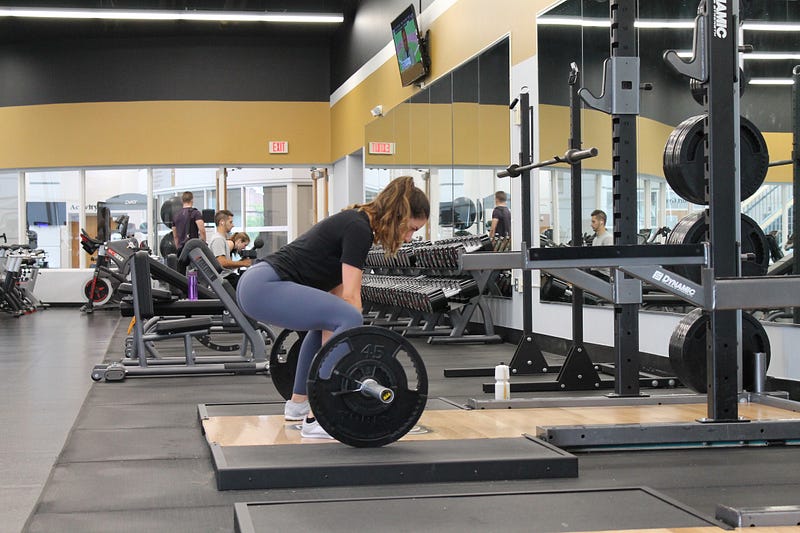
Strength training is an important aspect of fitness that helps build muscle, burn fat, and improve overall health. While many people prefer to go to a gym for strength training, having a home gym can be a convenient and cost-effective way to achieve your fitness goals. In this article, we will explore the top 10 home gym equipment for strength training.
1. Power Rack
A power rack is a versatile piece of equipment that can help you perform various exercises such as squats, bench presses, and pull-ups. It provides a stable and safe environment to perform heavy lifting and helps you achieve your strength training goals. A power rack typically consists of a frame, safety bars, and J-hooks.
2. Adjustable Dumbbells
Adjustable dumbbells are an excellent addition to any home gym. They take up less space than a traditional dumbbell set and allow you to adjust the weight according to your needs. With adjustable dumbbells, you can perform a wide range of exercises such as bicep curls, tricep extensions, and shoulder presses.
3. Olympic Barbell Set
An Olympic barbell set is a must-have for any serious strength training enthusiast. It consists of a long bar, weight plates, and collars. An Olympic barbell set allows you to perform exercises such as deadlifts, squats, and bench presses. When choosing an Olympic barbell set, make sure to look for a set that has a weight capacity that meets your needs.
4. Kettlebells
Kettlebells are a versatile piece of equipment that can help you perform a wide range of exercises. They are great for building strength, improving endurance, and burning fat. Kettlebells come in different weights, so make sure to choose a weight that is appropriate for your fitness level.
5. Suspension Trainer
A suspension trainer, also known as a TRX, is a piece of equipment that uses your body weight as resistance. It consists of two adjustable straps that can be attached to a door or any other sturdy anchor point. Suspension trainers are great for performing exercises such as push-ups, rows, and planks.
6. Resistance Bands
Resistance bands are a cost-effective way to add resistance to your strength training workouts. They come in different strengths, allowing you to gradually increase the resistance as you get stronger. Resistance bands are great for exercises such as bicep curls, tricep extensions, and lateral raises.
7. Medicine Ball
A medicine ball is a versatile piece of equipment that can help you improve your strength, balance, and coordination. It can be used for exercises such as Russian twists, wall balls, and medicine ball slams. When choosing a medicine ball, make sure to choose a weight that is appropriate for your fitness level.
8. Plyo Box
A plyo box is a sturdy platform that can be used for various exercises such as box jumps, step-ups, and incline push-ups. It comes in different heights, allowing you to adjust the difficulty level of your workouts. Plyo boxes are great for improving explosiveness, power, and agility.
9. Foam Roller
Foam rollers are a great tool for preventing injuries and improving flexibility. They can help you release tension in your muscles, improve circulation, and reduce muscle soreness. Foam rollers come in different densities, so make sure to choose a foam roller that suits your needs.
10. Yoga Mat
A yoga mat is an essential piece of equipment for any home gym. It provides a comfortable and stable surface for performing exercises such as yoga, Pilates, and stretching. When choosing a yoga mat, look for one that is thick enough to provide adequate cushioning and has a non-slip surface.
Bench
A bench is a versatile piece of equipment that can be used for exercises such as bench presses, step-ups, and seated dumbbell curls. It provides a stable surface for you to perform exercises on, and can help you target different muscle groups.
12. Pull-up Bar
A pull-up bar is a simple yet effective piece of equipment that can help you build upper body strength. It can be used for exercises such as pull-ups, chin-ups, and hanging leg raises. Pull-up bars come in different styles, including doorway-mounted and free-standing options.
13. Leg Press Machine
A leg press machine is a piece of equipment that can help you build lower body strength. It allows you to perform exercises such as leg presses, calf raises, and lunges. Leg press machines come in different styles, including plate-loaded and cable-driven options.
14. Cable Machine
A cable machine is a versatile piece of equipment that can help you perform a wide range of exercises. It consists of a weight stack and adjustable cables that can be used for exercises such as cable curls, cable flyes, and cable rows. Cable machines come in different styles, including single and dual stack options.
15. Smith Machine
A Smith machine is a piece of equipment that consists of a barbell that moves up and down on a fixed path. It can be used for exercises such as squats, bench presses, and overhead presses. Smith machines provide a safe and stable environment for heavy lifting and can help you target different muscle groups.
When choosing equipment for your home gym, it’s important to consider your fitness goals and preferences. If you prefer free weights, then investing in an Olympic barbell set and adjustable dumbbells may be a good choice. If you’re more interested in machine-based exercises, then investing in a cable machine or leg press machine may be more suitable for you.
In addition to equipment, it’s important to have a solid workout plan that incorporates a variety of exercises and training methods. This will help you avoid plateauing and keep your workouts challenging and engaging.
In summary, strength training is an important aspect of fitness that can help you build muscle, burn fat, and improve your overall health. With the right equipment and a solid workout plan, you can achieve your fitness goals from the comfort of your home gym.
In conclusion, having a home gym can be a convenient and cost-effective way to achieve your strength training goals. The top 10 home gym equipment for strength training that we have discussed above can help you achieve a well-rounded and effective workout.
When setting up your home gym, it’s important to choose equipment that suits your fitness goals, fitness level, and budget. You don’t have to buy everything at once, start with the essentials and gradually add equipment as you progress.
Also, make sure to research and invest in quality equipment that is safe and durable. Always follow the manufacturer’s instructions for proper usage and maintenance of your equipment to ensure its longevity and your safety.
Also, you can also incorporate bodyweight exercises, cardio, and mobility work into your home gym workouts. This will help you achieve a balanced and varied workout routine that will keep you motivated and help you reach your fitness goals.
The benefits of yoga for athletes and their performance
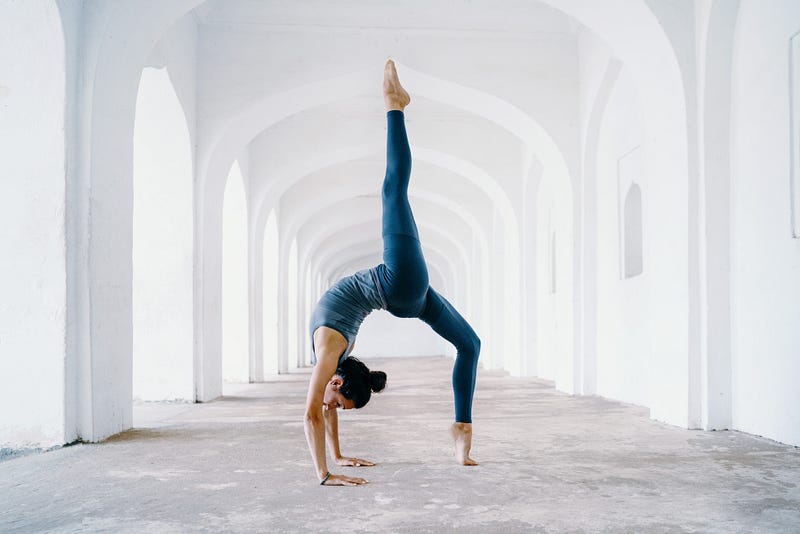
Yoga is a practice that has been around for thousands of years, and its benefits have been proven time and time again. While many people associate yoga with relaxation and stress reduction, it can also be a valuable tool for athletes looking to improve their performance.
Athletes of all levels and disciplines can benefit from incorporating yoga into their training routine. From improving flexibility and balance to enhancing mental focus and reducing the risk of injury, yoga has a wide range of benefits that can help athletes perform at their best.
Improved Flexibility and Range of Motion
One of the most well-known benefits of yoga is improved flexibility. By practicing yoga regularly, athletes can increase their range of motion and improve their flexibility, which can help them move more efficiently and with less effort.
This is especially important for athletes who participate in sports that require a lot of twisting, turning, and bending, such as soccer, basketball, and football. By improving their flexibility, athletes can reduce their risk of injury and perform at a higher level.
Increased Strength and Endurance
In addition to improving flexibility, yoga can also help athletes increase their strength and endurance. Many yoga poses require athletes to hold their body weight in various positions, which can help build strength in the muscles of the arms, legs, and core.
Furthermore, practicing yoga can help improve endurance by increasing lung capacity and improving overall cardiovascular health. This can be especially beneficial for endurance athletes such as runners, cyclists, and triathletes.
Enhanced Mental Focus
In addition to physical benefits, yoga can also provide athletes with a mental edge. Yoga is a practice that requires mental focus and concentration, which can help athletes develop greater mental resilience and focus.
By practicing yoga regularly, athletes can learn to stay calm and centered under pressure, which can help them perform at their best when the stakes are high. This mental focus can be particularly beneficial for athletes in individual sports, such as golf or tennis, where there is no team to rely on for support.
Reduced Risk of Injury
Another key benefit of yoga for athletes is the reduced risk of injury. Many sports are high-impact and can put a lot of strain on the body, which can lead to injuries such as sprains, strains, and muscle tears.
By practicing yoga, athletes can improve their flexibility and strength, which can help reduce their risk of injury. Additionally, yoga can help athletes develop greater body awareness, which can help them avoid injuries by recognizing when they are pushing their bodies too far.
Improved Recovery and Relaxation
Athletes also need to make time for recovery and relaxation, and yoga can be a valuable tool in this regard. By practicing yoga, athletes can improve their circulation, which can help flush out toxins and waste products from the body.
Yoga can also help reduce stress and promote relaxation, which is important for athletes who need to balance the demands of training and competition with the need for rest and recovery.
Better Sleep Quality
Sleep is a critical component of athletic performance, and yoga can help athletes improve the quality of their sleep. Many yoga poses are designed to promote relaxation and reduce stress, which can help athletes fall asleep faster and stay asleep longer.
Additionally, yoga can help regulate the body’s circadian rhythms, which can help athletes get the most out of their sleep and wake up feeling rested and refreshed.
Increased Body Awareness
Finally, yoga can help athletes develop greater body awareness, which is important for performing at their best. By practicing yoga, athletes can become more attuned to their bodies and their movements, which can help them identify areas of weakness or tightness that need to be addressed.
This increased body awareness can also help athletes make subtle adjustments to their movements and posture, which can lead to improved performance and reduced risk of injury.
Furthermore, yoga is a low-impact form of exercise, which makes it a great option for athletes who may be recovering from injuries or looking to reduce the strain on their bodies. Unlike high-impact exercises such as running or jumping, yoga poses are designed to be gentle on the joints, making it a safer form of exercise for athletes.
Yoga can also help athletes develop greater body awareness, which can be especially beneficial for sports that require a high level of precision and coordination, such as gymnastics or figure skating. By practicing yoga, athletes can learn to control their movements and develop a greater sense of balance and stability.
Another benefit of yoga for athletes is that it can be customized to meet the specific needs of individual athletes. Whether you’re looking to improve your flexibility, build strength, or develop greater mental focus, there are yoga poses and sequences that can help you achieve your goals.
Moreover, practicing yoga can also help athletes recover faster from intense training sessions or competitions. By practicing gentle yoga poses and relaxation techniques, athletes can promote faster muscle recovery and reduce the risk of post-workout soreness.
Finally, yoga can also provide athletes with a sense of balance and perspective. In the high-pressure world of sports, it can be easy to get caught up in the competitive mindset and lose sight of the bigger picture. By practicing yoga, athletes can learn to cultivate a sense of inner calm and balance, which can help them maintain a healthy perspective on their sport and their goals.
Conclusion
In conclusion, yoga can be an invaluable tool for athletes looking to improve their performance. Whether you’re a professional athlete or someone who enjoys recreational sports, incorporating yoga into your training routine can have a wide range of benefits.
From improved flexibility and range of motion to enhanced mental focus and reduced risk of injury, yoga can help athletes perform at their best. Additionally, practicing yoga can help athletes with recovery and relaxation, better sleep quality, and increased body awareness.
So if you’re an athlete looking to take your performance to the next level, consider incorporating yoga into your training routine. By doing so, you’ll not only improve your physical abilities but also develop the mental resilience and focus needed to excel in your sport.
Best supplements for muscle recovery after a workout

Muscle recovery is a critical aspect of any fitness routine. When you work out, you are actually breaking down your muscles, and it is during the recovery period that your body rebuilds them stronger and more resilient.
If you don’t allow your muscles enough time to recover, you can actually do more harm than good, increasing your risk of injury and decreasing your overall fitness progress.
Fortunately, there are several supplements available that can help speed up the muscle recovery process, allowing you to get back to your workouts faster and with less pain. In this article, we will discuss some of the best supplements for muscle recovery after a workout.
1. Whey Protein
Whey protein is a popular supplement for building muscle, but it is also beneficial for muscle recovery. After a workout, your muscles need protein to rebuild and repair themselves, and whey protein is an excellent source of high-quality protein that is quickly absorbed by the body. It is also rich in essential amino acids that help support muscle growth and repair.
2. Creatine
Creatine is a naturally occurring substance in the body that helps provide energy to muscles during exercise. When you work out, your body uses up its stores of creatine, which can slow down the muscle recovery process. Supplementing with creatine can help replenish these stores, allowing your muscles to recover more quickly and effectively.
3. BCAAs
BCAAs, or branched-chain amino acids, are essential amino acids that are particularly important for muscle recovery. They help reduce muscle damage and promote muscle protein synthesis, which is the process by which your body builds new muscle tissue. BCAAs also help reduce muscle soreness and fatigue, allowing you to get back to your workouts faster.
4. Glutamine
Glutamine is an amino acid that plays a critical role in muscle recovery. It helps reduce muscle inflammation and soreness, and it also supports the immune system, which can be weakened after intense exercise. Supplementing with glutamine can help speed up the muscle recovery process and reduce the risk of illness or infection.
5. Omega-3 Fatty Acids
Omega-3 fatty acids are essential fats that are important for overall health, but they are also beneficial for muscle recovery. They help reduce inflammation, which can be particularly helpful after an intense workout that can cause muscle damage and inflammation. Omega-3s also support muscle protein synthesis, helping to rebuild and repair muscle tissue.
6. Vitamin D
Vitamin D is a critical nutrient for overall health, but it is also important for muscle recovery. It helps regulate calcium absorption, which is important for muscle function, and it also helps reduce inflammation and support the immune system. Supplementing with vitamin D can help speed up the muscle recovery process and reduce the risk of injury or illness.
7. Tart Cherry Juice
Tart cherry juice is a natural anti-inflammatory that can help reduce muscle soreness and inflammation after a workout. It is also rich in antioxidants, which can help protect against oxidative stress that can contribute to muscle damage and inflammation. Drinking tart cherry juice after a workout can help speed up the muscle recovery process and reduce the risk of injury or illness.
8. Magnesium
Magnesium is an essential mineral that plays a critical role in muscle function and recovery. It helps regulate muscle contractions and relaxations, and it also supports energy production and protein synthesis. Supplementing with magnesium can help speed up the muscle recovery process and reduce the risk of muscle cramps and spasms.
In addition to these supplements, there are also several lifestyle factors that can help promote muscle recovery. Getting enough sleep, staying hydrated, and eating a balanced diet rich in protein and nutrients are all important for muscle recovery. It’s also important to give your muscles enough time to rest and recover between workouts, so be sure to schedule rest days into your fitness routine.
Overall, incorporating the right supplements into your post-workout routine can help speed up muscle recovery and promote overall fitness progress. However, it’s important to remember that supplements should be used in conjunction with a healthy lifestyle and a balanced diet, rather than as a quick fix or substitute for proper nutrition and exercise. With the right approach and a commitment to long-term health and wellness, you can achieve your fitness goals and enjoy the benefits of a strong, healthy body.
Another important factor to consider when it comes to muscle recovery is timing. It’s important to consume the right supplements at the right time to maximize their benefits. For example, consuming whey protein within 30 minutes of completing your workout can help jumpstart the muscle recovery process by providing your muscles with the necessary amino acids they need to rebuild and repair themselves.
Similarly, consuming BCAAs during your workout or immediately after can help reduce muscle damage and promote muscle protein synthesis. Timing your supplement intake correctly can help ensure that you are getting the maximum benefit from these supplements and promoting optimal muscle recovery.
It’s also important to note that supplements are just one piece of the puzzle when it comes to muscle recovery. Proper nutrition, rest, and hydration are also essential for supporting muscle recovery and overall health. Additionally, factors such as stress, illness, and injury can all impact your body’s ability to recover from exercise, so it’s important to listen to your body and adjust your routine as needed.
Finally, when selecting supplements for muscle recovery, it’s important to choose high-quality products from reputable manufacturers. Look for supplements that have been tested for purity and quality and have been certified by third-party organizations. This can help ensure that you are getting a safe and effective product that will support your muscle recovery efforts.
In conclusion, incorporating the right supplements into your post-workout routine can help speed up muscle recovery and promote overall fitness progress. However, it’s important to remember that supplements should be used in conjunction with a healthy lifestyle and a balanced diet, rather than as a quick fix or substitute for proper nutrition and exercise. With the right approach and a commitment to long-term health and wellness, you can achieve your fitness goals and enjoy the benefits of a strong, healthy body.
Essential nutrition tips for amateur and professional athletes
Athletes require a balanced and nutrient-dense diet to perform at their best, whether they are amateurs or professionals. A proper nutrition plan is essential for achieving optimal performance, improving recovery time, and reducing the risk of injury.
Here are some essential nutrition tips for amateur and professional athletes to help them achieve their goals:
1. Stay hydrated
Dehydration can significantly impact athletic performance, so it is essential to stay hydrated before, during, and after exercise. Athletes should aim to consume at least half their body weight in ounces of water daily. For example, a 150-pound athlete should drink at least 75 ounces of water per day.
2. Eat a variety of nutrient-dense foods
Athletes need a balanced and varied diet that includes lean proteins, healthy fats, and complex carbohydrates. Foods that are rich in nutrients such as vitamins, minerals, and antioxidants can help improve energy levels, reduce inflammation, and aid recovery.
3. Prioritize protein
Protein is crucial for athletes to repair and rebuild muscle tissue. Aim to consume around 1.2–1.7 grams of protein per kilogram of body weight daily. Good sources of protein include lean meats, fish, eggs, dairy, and plant-based options like beans and lentils.
4. Choose healthy fats
Healthy fats are an essential part of an athlete’s diet as they provide energy and support various bodily functions. Omega-3 fatty acids, found in foods like salmon and chia seeds, can help reduce inflammation and promote recovery.
5. Fuel up before exercise
Eating a pre-workout snack or meal can help provide the energy needed to perform at a high level. Aim to consume a mix of carbohydrates and protein about 1–2 hours before exercise.
6. Replenish with carbohydrates after exercise
Carbohydrates are an essential nutrient for athletes as they provide energy for exercise. After exercise, it is crucial to replenish glycogen stores by consuming carbohydrates within 30 minutes to an hour after exercise.
7. Don’t forget about vitamins and minerals
Athletes require adequate amounts of vitamins and minerals to support various bodily functions. Vitamins and minerals can also help reduce the risk of injury and improve recovery time. Good sources of vitamins and minerals include fruits, vegetables, whole grains, and nuts and seeds.
8. Consider supplements
While a balanced diet should provide all the necessary nutrients, some athletes may benefit from supplements. For example, vitamin D and calcium supplements may be necessary for athletes who do not consume enough dairy. Consult with a healthcare professional or a registered dietitian before taking any supplements.
9. Avoid processed foods and sugary drinks
Processed foods and sugary drinks provide empty calories and lack nutrients. They can also lead to inflammation and reduce athletic performance. Opt for whole foods and hydrating drinks like water or sports drinks with electrolytes.
10. Listen to your body
Every athlete’s body is different, and it is essential to listen to your body’s signals. Pay attention to how you feel after consuming certain foods and adjust accordingly. If you experience digestive issues or fatigue, it may be a sign that you need to adjust your diet.
11. Timing is key
Timing is crucial when it comes to nutrition for athletes. It is essential to eat before and after exercise, but it is also important to eat at regular intervals throughout the day. Aim to eat every 3–4 hours to keep energy levels up and avoid feeling hungry or fatigued during exercise.
12. Don’t skip meals
Skipping meals can lead to low energy levels and poor performance. Aim to eat three main meals and two snacks throughout the day to maintain energy levels and support recovery.
13. Consider your sport
Different sports have different nutritional requirements. For example, endurance athletes may require more carbohydrates to fuel their activity, while strength athletes may need more protein to support muscle growth and recovery. Consider the specific nutritional needs of your sport when planning your meals.
14. Be mindful of portion sizes
Portion sizes are important for athletes as consuming too much or too little can impact performance. Use visual cues to estimate appropriate portion sizes and avoid overeating.
15. Plan ahead
Planning ahead can help ensure that athletes have access to the right foods when they need them. Pack snacks and meals when traveling or attending competitions to avoid relying on convenience foods.
16. Get enough rest
Rest is crucial for athletes to recover and perform at their best. Aim for at least 7–8 hours of sleep per night and prioritize rest days to allow the body to recover.
17. Seek professional guidance
Nutrition is complex, and athletes may benefit from working with a registered dietitian to create a personalized nutrition plan. A dietitian can help athletes identify nutrient deficiencies, optimize performance, and reduce the risk of injury.
18. Be patient
Changes to nutrition habits may take time to show results. Be patient and consistent with nutrition habits, and focus on small changes that can be sustained over time.
In summary, nutrition is a critical aspect of athletic performance, and athletes should prioritize hydration, nutrient-dense foods, and proper timing of meals. By considering their sport’s specific nutritional requirements, seeking professional guidance, and being patient, amateur and professional athletes can optimize their nutrition and achieve their goals.
In conclusion, a well-planned and balanced diet is crucial for athletes to perform at their best. Prioritizing hydration, nutrient-dense foods, and adequate protein and carbohydrates can help improve athletic performance, reduce the risk of injury, and promote recovery. By following these essential nutrition tips, amateur and professional athletes can fuel their bodies properly and achieve their goals.
How to prevent sports injuries with proper warm-up techniques

Participating in sports and other physical activities can be a great way to maintain a healthy lifestyle, but it also comes with its own set of risks. Injuries are an unfortunate but common occurrence in the world of sports. However, there are several measures athletes can take to reduce the risk of injuries, including proper warm-up techniques.
Warming up before engaging in any physical activity is essential to prevent injuries. The warm-up process prepares your body for exercise by gradually increasing your heart rate, blood flow, and muscle temperature.
It also helps to increase flexibility and range of motion in the joints, which can help to prevent muscle strains, sprains, and other types of injuries.
Here are some tips to help you warm up effectively and prevent sports injuries:
1. Start with light aerobic exercise: Light aerobic exercise, such as jogging, jumping jacks, or cycling, is an excellent way to get your heart rate up and increase blood flow to your muscles. Aim for 5–10 minutes of low-intensity aerobic exercise to get your body moving.
2. Stretch: Stretching is an essential component of any warm-up routine. It helps to improve flexibility and range of motion in the joints, reducing the risk of injury. Focus on stretching the muscles that you will be using during your activity. Hold each stretch for 15–30 seconds and repeat 2–3 times.
3. Dynamic stretching: Dynamic stretching involves stretching while moving, rather than holding a static stretch. Dynamic stretching is a great way to prepare your body for sports-specific movements. Examples include high knees, butt-kicks, and leg swings.
4. Sport-specific drills: Sport-specific drills help to prepare your body for the movements required in your activity. For example, if you are a basketball player, practicing dribbling and shooting drills can help to warm up your muscles and improve your performance.
5. Gradual progression: Gradually increase the intensity of your warm-up to prepare your body for the demands of your activity. Start with low-intensity exercises and gradually increase the intensity to a level that matches the activity you will be doing.
6. Hydration: Proper hydration is essential for preventing injuries during exercise. Make sure to drink plenty of water before, during, and after your activity to keep your body hydrated.
7. Proper equipment: Make sure that you have the proper equipment for your activity. Wearing the right shoes, pads, or other gear can help to reduce the risk of injury.
8. Listen to your body: It’s essential to listen to your body during your warm-up and activity. If you feel pain or discomfort, stop and rest. Pushing through pain can lead to more severe injuries.
In addition to the tips listed above, it’s important to remember that warming up is just one part of injury prevention. Other factors, such as proper technique, rest, and recovery, also play a significant role in preventing injuries.
Proper technique: Proper technique is critical to reducing the risk of injury during physical activity. Make sure that you understand the correct form for the movements involved in your activity. If you are unsure, consider working with a coach or trainer to improve your technique.
Rest and recovery: Rest and recovery are essential components of injury prevention. Overtraining and not allowing your body to recover properly can lead to injuries. Make sure to schedule rest days into your training routine, and give your body time to recover between workouts.
To further expand on the topic of warm-up techniques to prevent sports injuries, let’s take a closer look at some of the benefits of warming up before engaging in physical activity.
1. Increased muscle temperature: Warm-up exercises increase the temperature of your muscles, making them more pliable and reducing the risk of injury. When your muscles are warm, they can stretch more easily, reducing the risk of strains and sprains.
2. Improved flexibility and range of motion: Warming up can help to improve your flexibility and range of motion. This is important because it allows your joints to move more freely, reducing the risk of injuries such as muscle strains or joint sprains.
3. Better mental preparation: Warming up can help to prepare you mentally for your activity. It can help to increase your focus and concentration, reducing the risk of making mistakes that could lead to injuries.
4. Improved circulation: Warming up can help to improve blood flow to your muscles. This increased circulation delivers more oxygen and nutrients to your muscles, which can improve performance and reduce the risk of injuries.
Now that we’ve discussed some of the benefits of warming up before physical activity, let’s take a closer look at how to incorporate these techniques into your routine.
1. Start with a low-intensity activity: It’s essential to start with a low-intensity activity to prepare your body for exercise gradually. This can be anything from walking or light jogging to jumping jacks or skipping. The goal is to gradually increase your heart rate and body temperature.
2. Dynamic stretching: Dynamic stretching involves moving your muscles through a range of motion while stretching them. Examples of dynamic stretches include walking lunges, high knees, and leg swings. These exercises help to improve flexibility, range of motion, and coordination.
3. Sport-specific drills: Sport-specific drills can help to prepare your body for the specific movements required in your activity. For example, if you’re a soccer player, practicing dribbling and shooting drills can help to warm up your muscles and improve your performance.
4. Gradual progression: Gradually increase the intensity of your warm-up to prepare your body for the demands of your activity. This means starting with low-intensity exercises and gradually increasing the intensity to match the activity you’ll be doing.
5. Focus on proper form: Make sure to focus on proper form during your warm-up exercises. This will help to ensure that you’re using the correct technique and reducing the risk of injury.
6. Hydration: Proper hydration is essential for injury prevention during exercise. Make sure to drink plenty of water before, during, and after your activity to keep your body hydrated.
7. Listen to your body: It’s important to listen to your body during your warm-up and activity. If you feel pain or discomfort, stop and rest. Pushing through pain can lead to more severe injuries.
In addition to the tips listed above, it’s important to remember that every sport and activity is different, and each requires its own specific warm-up routine. Be sure to consult with a coach or trainer to develop a warm-up routine that’s appropriate for your activity.
Finally, it’s important to remember that warming up is just one part of injury prevention. Other factors, such as proper technique, rest, and recovery, also play a significant role in preventing injuries. By following these tips and taking other injury prevention measures, athletes can reduce the risk of injuries and enjoy their activities safely.
In conclusion, warming up is an essential component of injury prevention in sports and other physical activities. By following the tips outlined above and taking other injury prevention measures, such as proper technique, rest, and recovery, athletes can reduce the risk of injuries and enjoy their activities safely. Remember, prevention is always better than treatment, so take the time to warm up properly before engaging in physical activity.
Best running shoes for different types of terrain

Running is a fantastic way to get some exercise, and it can be a lot of fun too. Whether you’re a seasoned runner or just starting out, you know that the right shoes can make a big difference in how you perform. But with so many different types of terrain out there, it can be tough to know which shoes are best for your specific needs. That’s why we’ve put together this guide to help you find the best running shoes for different types of terrain.
Road Running Shoes
If you’re primarily running on paved roads, then you’ll want a shoe with good cushioning and support. Look for a shoe that has a lot of padding in the midsole, as this will help absorb the shock of each footfall. Additionally, a shoe with a wider base can help distribute your weight more evenly, reducing the stress on your joints.
Some popular road running shoes include the Brooks Ghost, the Asics Gel-Kayano, and the Nike Air Zoom Pegasus. These shoes all provide a good combination of cushioning, support, and durability for road runners.
Trail Running Shoes
Trail running can be a lot of fun, but it requires a different type of shoe than road running. You’ll want a shoe with a more aggressive tread to provide traction on uneven surfaces, and a tougher upper to protect your feet from rocks, roots, and other obstacles.
Some popular trail running shoes include the Salomon Speedcross, the La Sportiva Bushido, and the Hoka One One Challenger. These shoes all provide excellent traction and protection, making them a great choice for trail runners.
Mountain Running Shoes
If you’re tackling steep, rocky terrain, then you’ll need a shoe with even more support and protection. Look for a shoe with a stiff midsole and a high ankle collar to provide stability on uneven surfaces. Additionally, a shoe with a rock plate in the sole can help protect your feet from sharp rocks.
Some popular mountain running shoes include the Inov-8 X-Talon, the Salomon S/Lab Ultra, and the La Sportiva Ultra Raptor. These shoes all provide excellent support, protection, and traction for mountain runners.
Beach Running Shoes
Running on sand can be a great workout, but it requires a different type of shoe than other types of terrain. Look for a shoe with a flexible sole to help you adapt to the changing terrain, and a lightweight upper to help keep your feet cool in the heat.
Some popular beach running shoes include the Nike Free RN Flyknit, the Adidas Ultraboost, and the Asics Gel-Kayano. These shoes all provide good flexibility and breathability, making them a great choice for beach runners.
Track Running Shoes
If you’re primarily running on a track, then you’ll want a shoe that provides good traction without being too heavy. Look for a shoe with a spike plate in the sole to help you grip the surface, and a lightweight upper to help you move quickly.
Some popular track running shoes include the Nike Zoom Rival, the New Balance LD5000, and the Adidas Adizero Avanti. These shoes all provide excellent traction and speed, making them a great choice for track runners.
Treadmill Running Shoes
Running on a treadmill requires a different type of shoe than outdoor running. You’ll want a shoe with good cushioning to help absorb the shock of each footfall, and a lightweight upper to help keep your feet cool.
Some popular treadmill running shoes include the Asics Gel-Kayano, the Brooks Ghost, and the Nike Air Zoom Pegasus. These shoes all provide excellent cushioning and breathability, making them a great choice for treadmill runners.
Cross-Training Shoes
If you’re doing a variety of different types of exercise, then you’ll want a shoe that can handle it all. Cross-training shoes are designed to provide support and stability for a range of different activities, from weightlifting to cardio workouts.
Some popular cross-training shoes include the Reebok Nano, the Nike Metcon, and the Adidas Crazytrain. These shoes all provide good support and durability for a variety of different exercises.
In addition to the type of terrain, it’s also important to consider your foot type when selecting running shoes. Your foot type can affect the way your foot lands and the amount of support and cushioning you need.
There are three main types of foot arches: flat feet, neutral feet, and high arches. If you have flat feet, you may need a shoe with more support and stability to help prevent overpronation (when your foot rolls inward too much). If you have high arches, you may need a shoe with more cushioning to help absorb shock and reduce pressure on the balls of your feet.
When trying on running shoes, make sure to walk around in them and even jog a bit to get a feel for how they fit and perform. Look for shoes that feel comfortable and provide the right level of support for your foot type and running style.
It’s also important to replace your running shoes regularly. Over time, the cushioning and support in your shoes can break down, which can increase your risk of injury. As a general rule, you should replace your running shoes every 300–500 miles or every 6–8 months, whichever comes first.
Lastly, don’t forget to take care of your running shoes. Avoid exposing them to extreme temperatures, and keep them clean and dry between runs. Proper care can help extend the life of your shoes and keep them performing at their best.
In conclusion, choosing the right running shoes for the terrain you’ll be running on is important for both performance and injury prevention. By selecting a shoe that provides the right level of support, cushioning, and traction, you can help ensure that you stay comfortable and safe while you run.
Remember to consider the type of terrain you’ll be running on and the specific needs of your feet when selecting your running shoes. Whether you’re running on the road, trail, mountain, beach, track, or treadmill, there’s a shoe out there that’s perfect for your needs. So get out there and enjoy your run!
The impact of sleep on athletic performance and recovery
Athletic performance and recovery are two key aspects of any athlete’s training regimen. While athletes are known to work hard to achieve their desired results, many fail to realize that sleep plays a critical role in their athletic performance and recovery. Adequate sleep is essential for athletes to stay alert, focused, and in top physical shape.
Sleep deprivation can have a significant impact on athletic performance. It affects an athlete’s physical abilities, reaction time, and mental acuity. It can also negatively impact an athlete’s mood, motivation, and overall sense of well-being.
The National Sleep Foundation recommends that adults get seven to nine hours of sleep per night. However, athletes may require more sleep to ensure optimal performance and recovery. This is because intense training and competition can place additional stress on the body, which can lead to fatigue and decreased performance if not properly managed.
One of the primary ways that sleep impacts athletic performance is by affecting an athlete’s physical abilities. Sleep is essential for the body to repair and restore damaged tissues, including muscle tissue. During sleep, the body produces growth hormone, which is critical for muscle repair and growth. Without adequate sleep, the body may not be able to repair and restore muscles as quickly, which can lead to decreased performance over time.
Sleep also plays a critical role in the body’s ability to regulate its temperature. During sleep, the body’s core temperature drops, which helps to conserve energy and promote restful sleep. However, if an athlete is sleep-deprived, their body may struggle to regulate its temperature, leading to increased fatigue and decreased performance.
Another way that sleep impacts athletic performance is by affecting an athlete’s reaction time. Reaction time is critical in many sports, and sleep deprivation can slow an athlete’s reaction time, making it more challenging to perform at their best. In fact, research has shown that sleep deprivation can have a similar effect on reaction time as alcohol intoxication.
Sleep also plays a critical role in an athlete’s mental acuity. Sleep deprivation can lead to decreased cognitive function, which can impact an athlete’s decision-making abilities, judgment, and overall performance. It can also lead to increased stress, anxiety, and depression, which can negatively impact an athlete’s mood and motivation.
Sleep plays a critical role in an athlete’s recovery. Adequate sleep is essential for the body to repair and restore damaged tissues, including muscle tissue. During sleep, the body produces growth hormone, which is critical for muscle repair and growth. Without adequate sleep, the body may not be able to repair and restore muscles as quickly, leading to increased fatigue and decreased performance over time.
Sleep also plays a critical role in the body’s ability to fight off infection and inflammation. Intense training and competition can place additional stress on the body, leading to inflammation and a weakened immune system. Adequate sleep is essential for the body to repair and restore damaged tissues, including those affected by inflammation.
In addition to the impact of sleep on athletic performance and recovery, it is also important to consider the timing of sleep. Athletes who prioritize sleep in their training regimen may benefit from adjusting their sleep schedule to align with their training schedule. For example, getting extra sleep on rest days may help the body to recover more quickly, while getting extra sleep before competition may help to improve performance.
Athletes should also be aware of the negative impact of sleep disorders, such as insomnia and sleep apnea, on their performance and recovery. These conditions can significantly impact an athlete’s ability to get restful sleep and can lead to decreased performance and increased risk of injury. Athletes who suspect they have a sleep disorder should seek medical attention to receive proper diagnosis and treatment.
In addition to sleep, nutrition and hydration are also critical factors that impact athletic performance and recovery. A balanced diet rich in nutrients, vitamins, and minerals is essential for the body to repair and restore damaged tissues, including muscle tissue. Proper hydration is also critical for maintaining optimal athletic performance and preventing dehydration.
Overall, athletes must prioritize sleep as part of their training regimen to achieve optimal athletic performance and recovery. Adequate sleep plays a critical role in the body’s ability to repair and restore damaged tissues, regulate body temperature, improve reaction time, and promote mental acuity. Athletes who prioritize sleep and implement good sleep hygiene practices are likely to experience improved performance and recovery, leading to better overall results.
In recent years, more research has been conducted on the impact of sleep on athletic performance and recovery, and the findings support the critical role of sleep in achieving optimal athletic results. For example, a study published in the International Journal of Sports Physiology and Performance found that basketball players who extended their sleep by an average of 110 minutes per night experienced significant improvements in performance, including faster sprint times and increased shooting accuracy.
Similarly, a study published in the Journal of Strength and Conditioning Research found that college football players who reported sleeping less than seven hours per night had a higher risk of injury than those who reported sleeping seven to nine hours per night. This finding highlights the importance of sleep not just for performance, but also for injury prevention.
Athletes who travel frequently may also experience disruptions to their sleep schedule, which can negatively impact their performance and recovery. This is known as jet lag, and it occurs when the body’s internal clock is out of sync with the local time at the athlete’s destination. To combat jet lag, athletes can implement strategies such as gradually adjusting their sleep schedule before travel, exposing themselves to bright light at specific times, and practicing good sleep hygiene while traveling.
In addition to its impact on athletic performance and recovery, sleep also plays a critical role in overall health and wellbeing. Chronic sleep deprivation has been linked to a range of health issues, including obesity, diabetes, cardiovascular disease, and mental health disorders. Prioritizing sleep as part of an athlete’s training regimen not only benefits their athletic performance but also promotes their long-term health and wellbeing.
In conclusion, sleep plays a critical role in athletic performance and recovery. Adequate sleep is essential for the body to repair and restore damaged tissues, including muscle tissue. It also plays a critical role in regulating the body’s temperature, improving reaction time, and promoting mental acuity. Athletes who prioritize sleep in their training regimen are likely to experience improved performance and recovery, leading to better overall results. Therefore, athletes should make sure to prioritize sleep and ensure that they are getting enough restful sleep each night to achieve their desired results. They should also be mindful of the timing of their sleep and adjust their sleep schedule to align with their training and competition schedule.
To improve the quality of their sleep, athletes can also implement good sleep hygiene practices. These practices include establishing a consistent sleep routine, creating a sleep-conducive environment, limiting exposure to screens before bed, avoiding caffeine and alcohol before bedtime, and managing stress and anxiety.
How to choose the right sports bra for high-impact activities

High-impact activities like running, jumping, or any type of cardio exercise can put a lot of strain on a woman’s breasts, which can lead to pain, discomfort, and even tissue damage over time. Wearing a sports bra that fits properly and offers the right support is essential to prevent these problems and ensure that you can exercise in comfort and safety.
But with so many options available on the market, how do you choose the right sports bra for high-impact activities? Here are some tips to help you make the right choice.
1. Look for the Right Level of Support
The level of support offered by a sports bra is one of the most important factors to consider when choosing one for high-impact activities. Look for bras that are specifically designed for high-impact sports, as they will offer the most support. A good sports bra will minimize movement and provide adequate compression, which will help to reduce the strain on your breasts and prevent pain and discomfort.
2. Consider Your Cup Size
Your cup size is another important factor to consider when choosing a sports bra for high-impact activities. Women with larger cup sizes need more support than those with smaller cup sizes. Look for bras that offer a range of cup sizes, as well as adjustable straps and back closures, to ensure a good fit.
3. Check the Band Size
The band size of a sports bra is just as important as the cup size. A bra with a loose band will not offer enough support, while a bra with a band that is too tight can cause discomfort and even breathing problems. Make sure that the band of your sports bra fits snugly around your rib cage, but not so tight that it restricts your breathing.
4. Look for Breathable Fabric
During high-impact activities, you will sweat a lot, and a sports bra made from breathable fabric can help to keep you comfortable and dry. Look for bras made from moisture-wicking fabrics, such as polyester or spandex, which will help to wick sweat away from your skin and keep you cool and dry.
5. Consider the Straps
The straps of a sports bra are another important factor to consider. Wide straps are generally more supportive than thin ones, as they distribute the weight of your breasts more evenly. Look for bras with adjustable straps, as this will allow you to customize the fit and ensure that the straps don’t dig into your shoulders.
6. Check for Chafing
Chafing is a common problem when it comes to sports bras, especially during high-impact activities. Look for bras with flat or bonded seams, as this will help to reduce the risk of chafing. You should also avoid bras with rough or scratchy fabric, as this can also contribute to chafing.
7. Try Before You Buy
It’s important to try on sports bras before you buy them, especially if you’re buying them online. Make sure that you try on a few different sizes and styles to find the one that fits you best. When you try on a sports bra, make sure that you do some jumping jacks or run in place to make sure that it offers the right level of support and doesn’t shift around too much.
8. Consider Your Budget
Sports bras can range in price from $10 to $100 or more, depending on the brand and the level of support and features offered. While it’s important to invest in a good sports bra that offers the right level of support and comfort, you don’t have to break the bank to do so. Consider your budget and look for bras that offer the features you need at a price you can afford.
It’s important to note that sports bras should be replaced regularly, as they can lose their elasticity and support over time. The recommended lifespan of a sports bra varies depending on how often it’s worn and washed, but as a general rule, it’s recommended to replace your sports bra every 6–12 months.
Another thing to consider is the type of closure on your sports bra. Some sports bras have a traditional hook and eye closure, while others have a pullover design. Hook and eye closures are usually easier to adjust, but they can also become uncomfortable or dig into your back during high-impact activities. Pullover bras, on the other hand, offer a seamless design but can be more difficult to adjust. Choose the type of closure that works best for your needs and preferences.
Lastly, it’s important to choose a sports bra that fits well and makes you feel comfortable and confident during exercise. While the right level of support and features are important, you also want to choose a bra that you enjoy wearing and that fits your personal style. There are many different styles and designs of sports bras available, from simple and understated to bright and bold. Choose a bra that makes you feel good and motivates you to exercise.
In summary, choosing the right sports bra for high-impact activities is essential for your comfort, safety, and breast health during exercise. Consider the level of support, cup and band size, breathable fabric, adjustable straps, and closure type when choosing a sports bra. Try on several bras and choose the one that fits best and makes you feel comfortable and confident. With the right sports bra, you can exercise in comfort and safety and protect your breast health for years to come.
In conclusion, choosing the right sports bra for high-impact activities is essential for your comfort and safety during exercise. Look for bras that offer the right level of support, consider your cup and band size, and check for breathable fabric, adjustable straps, and flat seams to reduce chafing. Trying on sports bras before buying them is also important to ensure the best fit and level of support. Finally, consider your budget and look for bras that offer the features you need at a price you can afford.
It’s worth investing in a good sports bra that fits well and offers the right level of support, as this can help to prevent breast pain and discomfort, as well as tissue damage over time. By following these tips, you can choose the right sports bra for your high-impact activities and exercise in comfort and safety.
The benefits of cross-training for athletes and fitness enthusiasts
Cross-training is a training technique that involves incorporating different exercises, sports, and activities into your fitness routine. It is a popular practice among athletes and fitness enthusiasts, as it offers a range of benefits that help enhance performance and overall fitness.
In this article, we will explore the benefits of cross-training for athletes and fitness enthusiasts, and how it can help improve their overall physical and mental health.
1. Improves overall fitness Cross-training is an excellent way to improve overall fitness, as it works different muscle groups and cardiovascular systems. By incorporating a variety of exercises and activities into your routine, you can avoid plateauing and see better results in terms of strength, endurance, and agility.
2. Reduces risk of injury Cross-training can help reduce the risk of injury by giving your body time to recover from high-impact exercises like running or weightlifting. By incorporating low-impact activities like swimming or yoga, you can strengthen your muscles and improve flexibility, reducing the likelihood of injury.
3. Helps with weight management Cross-training is an effective way to manage weight, as it burns calories and fat while building muscle. By incorporating a variety of exercises and activities into your routine, you can avoid boredom and stay motivated to reach your fitness goals.
4. Increases strength and endurance Cross-training can help increase strength and endurance by working different muscle groups and cardiovascular systems. By incorporating activities like weightlifting, cycling, or rowing into your routine, you can challenge your body in new ways and see significant improvements in strength and endurance.
5. Improves flexibility and balance Cross-training can improve flexibility and balance by incorporating exercises like yoga or Pilates into your routine. These activities focus on stretching and strengthening muscles, improving flexibility and balance, and reducing the risk of injury.
6. Enhances mental health Cross-training can also enhance mental health by reducing stress and improving mood. By incorporating activities like hiking, swimming, or yoga into your routine, you can connect with nature and focus on mindfulness, reducing stress and anxiety.
7. Provides variety and motivation Cross-training provides variety and motivation by incorporating different exercises and activities into your routine. This can help avoid boredom and keep you motivated to reach your fitness goals. By trying new activities and exercises, you can challenge your body in new ways and see better results.
8. Helps with sports performance Cross-training can also help with sports performance by improving strength, endurance, flexibility, and balance. By incorporating activities that mimic the movements and demands of your sport, you can improve your overall performance and reduce the risk of injury.
9. Helps prevent burnout Cross-training can help prevent burnout by providing a break from the same repetitive exercises or activities. By incorporating a variety of exercises and activities into your routine, you can keep your workouts fresh and challenging, preventing boredom and burnout.
10. Promotes social interaction Cross-training can promote social interaction by participating in group fitness classes or team sports. This can help build camaraderie and a sense of community, providing motivation and accountability to stay on track with your fitness goals.
11. Can be customized to individual needs and goals Cross-training can be customized to individual needs and goals, making it an ideal training technique for athletes and fitness enthusiasts of all levels. By incorporating activities and exercises that target specific areas or goals, you can tailor your workouts to fit your unique needs and preferences.
12. Offers a low-impact option for injury recovery Cross-training offers a low-impact option for injury recovery, allowing athletes and fitness enthusiasts to stay active and maintain their fitness levels while recovering from an injury. Activities like swimming or cycling can provide a low-impact alternative to high-impact exercises, reducing the risk of aggravating an injury.
13. Can be done anywhere, anytime Cross-training can be done anywhere, anytime, making it a convenient and accessible training technique for busy schedules or traveling. With a variety of exercises and activities that require little to no equipment, you can easily incorporate cross-training into your daily routine, whether at home or on the go.
14. Improves overall health and well-being Cross-training improves overall health and well-being by reducing the risk of chronic diseases like obesity, diabetes, and heart disease. By incorporating a variety of exercises and activities that challenge your body in different ways, you can improve cardiovascular health, increase muscle mass, and boost metabolism, leading to better overall health and well-being.
In summary, cross-training offers a range of benefits for athletes and fitness enthusiasts of all levels, from improving overall fitness and reducing the risk of injury to promoting social interaction and enhancing mental health. By incorporating a variety of exercises and activities into your routine, you can customize your workouts to fit your individual needs and preferences, and achieve your fitness goals. So, if you’re looking to take your fitness to the next level, consider incorporating cross-training into your routine and enjoy the many benefits it has to offer.
In conclusion, cross-training is an effective training technique that offers a range of benefits for athletes and fitness enthusiasts. By incorporating a variety of exercises and activities into your routine, you can improve overall fitness, reduce the risk of injury, manage weight, increase strength and endurance, improve flexibility and balance, enhance mental health, provide variety and motivation, and improve sports performance.
So, if you’re looking to improve your overall physical and mental health, consider incorporating cross-training into your fitness routine. Start with small changes and gradually increase the intensity and variety of your workouts. With consistency and dedication, you can reap the many benefits of cross-training and achieve your fitness goals.
The role of mental training in achieving athletic success
Athletic success is not only achieved through physical training but also through mental training. The role of mental training in achieving athletic success cannot be overemphasized. The mind is a powerful tool that can enhance performance, reduce stress, and boost overall wellbeing. Mental training involves techniques such as visualization, self-talk, goal setting, and mindfulness, all of which can significantly impact an athlete’s performance.
Visualization is a technique used by athletes to mentally rehearse their performance. The athlete imagines themselves performing the task or skill they are working on. This technique helps the athlete to develop muscle memory, which is essential in sports such as gymnastics, figure skating, and diving. Muscle memory is developed by repeatedly performing the same task, and visualizing the task can help the athlete to reinforce the neural pathways that make up the muscle memory.
Self-talk is another mental training technique used by athletes. Positive self-talk can help an athlete to remain focused, motivated, and confident. Negative self-talk, on the other hand, can lead to self-doubt and anxiety. Positive self-talk involves using phrases such as “I can do this,” “I am strong,” and “I am prepared.” These phrases help to reinforce the athlete’s belief in themselves and their abilities.
Goal setting is an essential part of mental training. Setting realistic and achievable goals helps athletes to focus their attention and energy. Goals provide direction and motivation for an athlete’s training and competition. Goals should be specific, measurable, attainable, relevant, and time-bound. An athlete who sets goals that meet these criteria is more likely to achieve success than one who does not.
Mindfulness is a mental training technique that involves being fully present and aware of the current moment. Mindfulness helps athletes to reduce stress, increase focus, and regulate emotions.
Mindfulness can be practiced through techniques such as deep breathing, meditation, and yoga. Mindfulness can also help athletes to manage anxiety, which is a common problem among athletes.
Mental training is also important for developing resilience. Athletes face numerous challenges, including
injuries, setbacks, and losses. Developing mental resilience helps athletes to bounce back from these challenges and continue to perform at their best. Mental resilience is developed through techniques such as positive self-talk, visualization, and goal setting.
The benefits of mental training are not limited to athletic performance. Mental training can also improve an athlete’s overall wellbeing. Athletes who practice mental training techniques report reduced stress, improved sleep, and increased self-confidence. Mental training can also help athletes to develop better relationships with coaches, teammates, and family members.
Mental training is not only beneficial for professional athletes but also for amateur athletes and individuals who participate in recreational sports. Regardless of the level of competition, mental training can help individuals to reach their full potential and enjoy the sport they love.
One of the key benefits of mental training is improved focus and concentration. In sports, it is essential to stay focused and maintain concentration, especially during high-pressure situations. Mental training techniques such as visualization and mindfulness can help athletes to develop a clear and focused mindset. This can improve performance and help athletes to stay calm and composed under pressure.
Another benefit of mental training is the development of mental toughness. Mental toughness is the ability to stay focused, motivated, and resilient in the face of adversity. It involves developing a strong mindset that allows athletes to push through pain, fatigue, and setbacks. Mental toughness can be developed through mental training techniques such as visualization, positive self-talk, and goal setting.
Mental training can also help athletes to manage their emotions. In sports, emotions such as anger, frustration, and anxiety can be detrimental to performance. Mental training techniques such as mindfulness and self-talk can help athletes to regulate their emotions and stay in control. This can improve performance and prevent athletes from making impulsive decisions that can cost them the game.
Furthermore, mental training can help athletes to develop better communication skills. Effective communication is essential in sports, especially team sports. Mental training can help athletes to develop better communication skills with their coaches, teammates, and opponents. It can also help athletes to express themselves more clearly and assertively, which can lead to better teamwork and collaboration.
Finally, mental training can help athletes to cope with injuries and recover more quickly. Injuries are a common part of sports, and they can be frustrating and demotivating for athletes. Mental training techniques such as visualization and positive self-talk can help athletes to stay motivated and focused on their recovery. Mental training can also help athletes to cope with the emotional and psychological impact of injuries, which can help them to recover more quickly.
In conclusion, the role of mental training in achieving athletic success is essential. Mental training techniques such as visualization, self-talk, goal setting, and mindfulness can significantly impact an athlete’s performance and overall wellbeing. Mental training can improve focus, concentration, mental toughness, emotional regulation, communication skills, and injury recovery. Mental training is not only beneficial for professional athletes but also for amateur athletes and individuals who participate in recreational sports. By incorporating mental training into their training regime, athletes can enhance their performance, reach their full potential, and enjoy the sport they love.
Top 5 yoga poses for improving flexibility in athletes
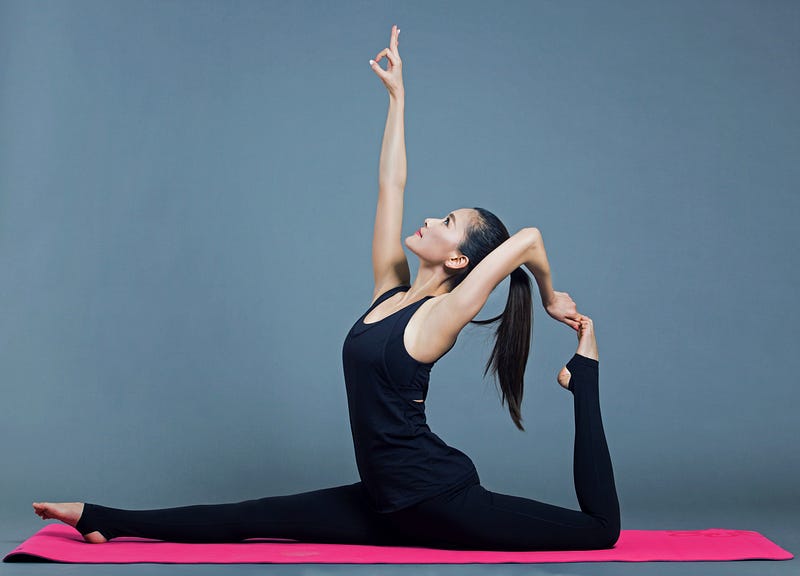
Yoga has become increasingly popular among athletes looking to enhance their performance and prevent injuries. While many people associate yoga with relaxation and stress reduction, it also offers numerous benefits for improving flexibility, balance, and strength. In this article, we will explore the top five yoga poses that can help athletes improve their flexibility.
1. Downward-Facing Dog (Adho Mukha Svanasana)
Downward-facing dog is a classic yoga pose that targets the hamstrings, calves, and shoulders. It is an excellent pose for improving overall flexibility, as it stretches the entire body, from the hands to the feet. To perform this pose, start on your hands and knees with your wrists directly under your shoulders and your knees under your hips. Press your hands into the mat and lift your hips up and back, straightening your arms and legs. Keep your head between your arms and gaze toward your feet. Hold the pose for 5–10 breaths, then release.
2. Standing Forward Bend (Uttanasana)
Standing forward bend is a great pose for stretching the hamstrings, calves, and hips. It can also help improve posture and relieve tension in the neck and shoulders. To perform this pose, stand with your feet hip-distance apart and fold forward, hinging from the hips. If your hamstrings are tight, you may need to bend your knees slightly. Place your hands on the ground or on a block, and let your head hang down. Hold the pose for 5–10 breaths, then slowly roll up to standing.
3. Pigeon Pose (Eka Pada Rajakapotasana)
Pigeon pose is a deep hip opener that can help athletes improve flexibility in the hips and lower back. It is particularly beneficial for runners and cyclists, who often experience tightness in these areas. To perform this pose, start in a high plank position, then bring your right knee forward and place it behind your right wrist. Extend your left leg behind you, keeping your hips square. If your hips are tight, you may need to prop a block or blanket under your right hip. Fold forward over your right leg and hold the pose for 5–10 breaths, then switch sides.
4. Triangle Pose (Trikonasana)
Triangle pose is a standing pose that targets the hamstrings, hips, and side body. It can help improve overall flexibility and balance, as well as relieve tension in the lower back. To perform this pose, stand with your feet wide apart and turn your right foot out 90 degrees. Reach your right arm toward your right foot, keeping your left arm extended up toward the ceiling. If you can’t reach the floor, you can place your hand on a block. Hold the pose for 5–10 breaths, then switch sides.
5. Seated Forward Bend (Paschimottanasana)
Seated forward bend is a calming pose that targets the hamstrings and lower back. It can help improve flexibility in these areas, as well as relieve stress and anxiety. To perform this pose, sit on the ground with your legs straight out in front of you. Reach your arms toward your feet and fold forward, hinging from the hips. If you can’t reach your feet, you can place a strap around them and hold onto the strap. Hold the pose for 5–10 breaths, then release.
6. Cobra Pose (Bhujangasana)
Cobra pose is a great pose for stretching the chest, shoulders, and spine. It can also help improve posture and relieve tension in the lower back. To perform this pose, lie on your stomach with your hands underneath your shoulders. Inhale and lift your chest off the ground, keeping your elbows close to your sides. Keep your gaze forward and hold the pose for 5–10 breaths, then release.
7. Butterfly Pose (Baddha Konasana)
Butterfly pose is a seated pose that targets the inner thighs, groin, and hips. It can help improve flexibility in these areas, as well as relieve tension in the lower back. To perform this pose, sit on the ground with the soles of your feet touching and your knees bent. Bring your heels as close to your body as possible. Use your hands to gently press down on your thighs, bringing your knees closer to the ground. Hold the pose for 5–10 breaths, then release.
8. Cow Face Pose (Gomukhasana)
Cow face pose is a seated pose that targets the hips, shoulders, and chest. It can help improve flexibility in these areas, as well as relieve tension in the lower back. To perform this pose, sit on the ground with your legs extended in front of you. Bend your right knee and bring your right foot to the outside of your left hip. Then, bend your left knee and bring your left foot to the outside of your right hip. Use your hands to clasp your ankles or feet. Hold the pose for 5–10 breaths, then release and switch sides.
9. Wide-Legged Forward Bend (Prasarita Padottanasana)
Wide-legged forward bend is a standing pose that targets the hamstrings, inner thighs, and lower back. It can help improve flexibility in these areas, as well as relieve tension in the neck and shoulders. To perform this pose, stand with your feet wide apart and parallel to each other. Inhale and lift your arms overhead, then exhale and fold forward, hinging from the hips. Place your hands on the ground or on a block, and let your head hang down. Hold the pose for 5–10 breaths, then slowly roll up to standing.
10. Garland Pose (Malasana)
Garland pose is a deep squat that targets the hips, groin, and ankles. It can help improve flexibility in these areas, as well as strengthen the lower body. To perform this pose, stand with your feet hip-distance apart and lower down into a squat. Bring your hands together in prayer position and press your elbows into your inner thighs. Hold the pose for 5–10 breaths, then release.
Incorporating these ten yoga poses into your workout routine can help you improve your flexibility and overall performance as an athlete. Remember to breathe deeply and listen to your body, and don’t push yourself too hard. Over time, with regular practice, you’ll be able to achieve greater flexibility and enjoy the many benefits that yoga has to offer.
In conclusion, these five yoga poses are excellent for athletes looking to improve their flexibility. Incorporating them into your workout routine can help prevent injuries, enhance performance, and promote overall wellness. Remember to listen to your body and modify the poses as needed to avoid injury. With regular practice, you can achieve greater flexibility and enjoy the many benefits that yoga has to offer.
The impact of hydration on athletic performance and recovery
Hydration is a critical factor that affects athletic performance and recovery. It is essential for athletes to maintain adequate hydration levels to optimize their physical performance and to prevent dehydration. In this article, we will explore the impact of hydration on athletic performance and recovery.
The Importance of Hydration
Water is an essential nutrient that plays a crucial role in maintaining physiological functions. It is involved in regulating body temperature, transporting nutrients, removing waste products, and lubricating joints. In addition, water is a vital component of blood and helps to transport oxygen and nutrients to the muscles. For athletes, maintaining proper hydration levels is essential for optimal performance.
The Impact of Dehydration on Athletic Performance
Dehydration occurs when the body loses more water than it takes in, resulting in an imbalance in the body’s fluids. Even mild dehydration can have a significant impact on athletic performance. Dehydration can lead to fatigue, decreased endurance, reduced strength, and impaired cognitive function. These effects can impact an athlete’s ability to perform optimally.
Studies have shown that dehydration of as little as 2% of body weight can negatively impact performance. This loss of body weight can be attributed to sweating during exercise. Dehydration can also cause a decrease in blood volume, which reduces the body’s ability to deliver oxygen and nutrients to the muscles.
The Impact of Hydration on Athletic Performance
Maintaining proper hydration levels can have a significant impact on athletic performance. Adequate hydration can help to regulate body temperature, maintain blood volume, and improve the delivery of oxygen and nutrients to the muscles. Studies have shown that athletes who are well-hydrated can perform better and for longer periods than those who are dehydrated.
Proper hydration levels can also help to improve cognitive function. Studies have shown that dehydration can impair cognitive function, including memory, attention, and reaction time. Maintaining proper hydration levels can help to prevent these effects and allow athletes to perform at their best.
Hydration and Recovery
Proper hydration is also essential for recovery. After exercise, the body needs to replenish fluids lost during sweating. Rehydration is necessary to replace lost fluids, restore blood volume, and facilitate the removal of waste products from the body.
Studies have shown that rehydration after exercise is essential for recovery. Proper hydration can help to reduce muscle soreness, improve muscle function, and improve the rate of recovery. In addition, rehydration can help to prevent heat-related illnesses, such as heat exhaustion and heatstroke.
Hydration Guidelines for Athletes
Athletes should follow specific hydration guidelines to maintain proper hydration levels. The American Council on Exercise recommends that athletes drink 17–20 ounces of water 2–3 hours before exercise and 7–10 ounces of water every 10–20 minutes during exercise. After exercise, athletes should drink 16–24 ounces of water for every pound of body weight lost during exercise.
In addition to water, athletes should consume electrolytes to help maintain proper hydration levels. Electrolytes are minerals such as sodium, potassium, and magnesium that help to regulate fluid balance in the body. These minerals are lost through sweating during exercise and need to be replaced to maintain proper hydration levels.
In addition to the recommended hydration guidelines, athletes should also consider individual factors that may impact their hydration needs. Factors such as the duration and intensity of exercise, environmental conditions, and individual sweat rates can all impact an athlete’s hydration needs.
For example, athletes exercising in hot and humid environments may need to consume more fluids to compensate for increased sweat rates and fluid loss through evaporation. Similarly, athletes performing high-intensity exercise may need to consume more fluids to compensate for increased fluid loss through sweating.
Athletes should also monitor their hydration status by checking their urine color and frequency. Dark yellow urine may indicate dehydration, while clear or light yellow urine may indicate adequate hydration levels. Athletes should aim for pale yellow urine to indicate proper hydration.
In addition to water and electrolytes, athletes may also consider consuming carbohydrates during exercise to provide a source of energy for the muscles. Consuming carbohydrates during exercise can also help to improve endurance and delay fatigue.
It is essential to note that overhydration can also be harmful to athletic performance and health. Overhydration can lead to a condition known as hyponatremia, which occurs when the body’s sodium levels become too low. Symptoms of hyponatremia include nausea, headache, confusion, and seizures. Athletes should aim to consume fluids in moderation and consult with a healthcare professional or sports dietitian to develop an individualized hydration plan.
Conclusion
In conclusion, hydration is a critical factor that affects athletic performance and recovery. Dehydration can lead to fatigue, decreased endurance, reduced strength, and impaired cognitive function. Proper hydration can help to regulate body temperature, maintain blood volume, and improve the delivery of oxygen and nutrients to the muscles. In addition, rehydration is essential for recovery and can help to reduce muscle soreness, improve muscle function, and improve the rate of recovery. Athletes should follow specific hydration guidelines to maintain proper hydration levels and consume electrolytes to help regulate fluid balance in the body. Proper hydration is essential for optimal athletic performance and recovery.
The benefits of using foam rollers for muscle recovery
Foam rollers have become increasingly popular in recent years for their ability to provide muscle relief and promote recovery after exercise. These cylindrical foam rollers come in a variety of shapes, sizes, and densities, and are used for self-massage techniques known as self-myofascial release (SMR). By applying pressure to certain points on the body, foam rolling can help to improve circulation, reduce muscle tension, and increase flexibility. In this article, we’ll explore the many benefits of using foam rollers for muscle recovery and discuss how you can incorporate foam rolling into your post-workout routine.
Improved Circulation
One of the primary benefits of foam rolling is its ability to improve circulation throughout the body. As you roll over different areas of your muscles, you’re essentially massaging and compressing the soft tissue, which helps to increase blood flow to the area. This increased blood flow can help to deliver important nutrients and oxygen to your muscles, which can promote faster recovery and reduce muscle soreness.
Reduced Muscle Tension
Muscle tension can often be a result of overuse, injury, or poor posture. Foam rolling can help to alleviate muscle tension by releasing trigger points or knots in the muscles. By applying pressure to these areas, you can help to break up the tension and improve your range of motion. This can help to reduce the risk of future injury and improve your overall athletic performance.
Increased Flexibility
Flexibility is important for athletes and non-athletes alike. By using a foam roller to stretch and release tight muscles, you can increase your range of motion and improve your flexibility. This can help to reduce the risk of injury and improve your overall athletic performance. Foam rolling can also help to improve joint mobility, which can be particularly beneficial for those with arthritis or other joint conditions.
Decreased Muscle Soreness
Delayed onset muscle soreness (DOMS) is a common occurrence after exercise, particularly after engaging in high-intensity workouts or activities that your body is not used to. Foam rolling can help to reduce muscle soreness by increasing blood flow to the area and reducing muscle tension. By promoting faster recovery, foam rolling can also help to reduce the duration and severity of DOMS.
Improved Posture
Poor posture can cause a variety of problems, including back pain, neck pain, and headaches. By using a foam roller to release tension in the muscles, you can improve your posture and reduce the risk of these issues. Foam rolling can help to release tension in the back, chest, and neck muscles, which can help to improve your overall alignment and reduce the risk of pain and discomfort.
Cost-Effective
Foam rollers are relatively inexpensive and can be used at home or at the gym. This makes them a cost-effective option for those looking to promote muscle recovery and relieve tension. By investing in a foam roller, you can save money on expensive massages or other types of recovery treatments.
Easy to Use
Foam rollers are also incredibly easy to use. You can target specific muscles or areas of the body by simply rolling over them with the foam roller. While it may be uncomfortable at first, you can gradually increase the pressure as your muscles begin to release. Foam rolling can be done before or after exercise, or any time during the day when you feel tight or sore.
In addition to the benefits discussed above, there are several other advantages of using foam rollers for muscle recovery. Here are a few more:
1. Customizable to Your Needs: Foam rollers come in a variety of densities and sizes, which makes it easy to find one that suits your needs. If you have sensitive muscles, you can opt for a softer roller, while a denser roller will provide more pressure and may be better for larger muscle groups.
2. Helps to Relieve Stress: Foam rolling can be a relaxing activity that can help to relieve stress and promote relaxation. By taking the time to slow down and focus on your body, you can reduce stress levels and improve your overall mood.
3. Improves Range of Motion: By releasing tension in the muscles and improving flexibility, foam rolling can help to improve your range of motion. This can be particularly beneficial for athletes who need to be able to move quickly and efficiently.
4. Helps with Injury Prevention: By reducing muscle tension and improving flexibility, foam rolling can help to prevent injuries. By incorporating foam rolling into your regular routine, you can help to reduce your risk of muscle strains, sprains, and other types of injuries.
5. Can be Used Anywhere: Foam rollers are lightweight and portable, which means you can use them anywhere. Whether you’re at home, at the gym, or on the go, you can easily bring your foam roller with you and use it whenever you need it.
Overall, foam rolling is a versatile and effective way to promote muscle recovery and improve overall physical health. By incorporating foam rolling into your regular routine, you can experience the many benefits it has to offer. Remember to start slowly and gradually increase the pressure as your muscles begin to release. If you experience any pain or discomfort, stop immediately and consult a healthcare professional. With time and practice, you can become a foam rolling pro and enjoy the many benefits it has to offer.
In conclusion, foam rolling is an effective and accessible way to promote muscle recovery, reduce muscle tension, and improve overall athletic performance. By incorporating foam rolling into your post-workout routine, you can experience the many benefits it has to offer. Whether you’re a seasoned athlete or a casual gym-goer, foam rolling can help to improve your physical health and well-being. So, grab a foam roller and start rolling your way to better recovery today!
The importance of stretching for preventing injuries in sports
Stretching is an essential component of any physical activity, especially in sports, where physical performance is a key factor. Stretching before and after physical exercise is an effective way to prevent injuries and increase flexibility. Stretching not only reduces the risk of injuries but also helps to enhance physical performance. This article aims to explain the importance of stretching for preventing injuries in sports.
Stretching before exercise is crucial for injury prevention. It is essential to prepare the body for physical activity by increasing the heart rate, blood flow, and oxygen supply to the muscles. Stretching helps to warm up the muscles, which makes them more flexible and less prone to injury. When the muscles are cold, they are stiffer and more susceptible to strains and tears. Stretching before exercise helps to loosen up the muscles, making them more supple and flexible.
Another important aspect of stretching is that it helps to improve flexibility. Flexibility is the range of motion around a joint, and it is a crucial factor in sports performance. Improved flexibility means that the joints can move more freely, which reduces the risk of injuries. For example, in sports that require quick and sudden movements, such as basketball, soccer, and tennis, a lack of flexibility can lead to muscle strains and tears.
Stretching also helps to prevent muscle imbalances. When some muscles are stronger than others, they can cause imbalances that can lead to injuries. Stretching can help to alleviate these imbalances by improving the flexibility of the weaker muscles. By stretching the weaker muscles, the body can achieve a balance between strength and flexibility, reducing the risk of injuries.
In addition to preventing injuries, stretching also helps to speed up the recovery process. After physical activity, the muscles can become sore and stiff. Stretching helps to alleviate these symptoms by increasing blood flow to the muscles, which can speed up the recovery process. Stretching after exercise also helps to reduce the risk of post-workout soreness and stiffness.
One of the most significant benefits of stretching is that it helps to improve posture. Good posture is essential for sports performance as it helps to reduce the risk of injuries and improves overall body mechanics. By improving posture, athletes can enhance their performance and reduce the risk of injuries.
For example, in sports such as tennis and golf, a good posture can help to improve the swing and reduce the risk of back injuries.
Stretching can also help to improve balance and coordination. Improved balance and coordination are essential for sports that require agility, such as gymnastics and dance. By stretching the muscles and improving flexibility, athletes can improve their balance and coordination, reducing the risk of falls and injuries.
Stretching can also help to improve mental health. Exercise is known to have a positive impact on mental health, and stretching is no exception. Stretching can help to reduce stress and anxiety, improve mood, and boost self-esteem. In sports, mental health is just as important as physical health. Stretching can help to improve focus and concentration, which can enhance sports performance.
There are different types of stretching that athletes can incorporate into their pre and post-workout routines. The two main types of stretching are dynamic stretching and static stretching. Dynamic stretching involves moving the body through a range of motion, while static stretching involves holding a position for a prolonged period.
Dynamic stretching is particularly useful for sports that require quick movements, such as basketball, soccer, and track and field. Dynamic stretching can help to warm up the muscles and increase flexibility. Some examples of dynamic stretching include high knees, lunges, and leg swings.
Static stretching is more suitable for sports that require holding positions for extended periods, such as yoga and gymnastics. Static stretching can help to improve flexibility and reduce muscle soreness after exercise. Examples of static stretching include the butterfly stretch, hamstring stretch, and quad stretch.
It is essential to note that stretching should not be done to the point of pain. Stretching should be done gradually, and athletes should avoid pushing beyond their limits. Overstretching can lead to muscle strains and tears, which can lead to injuries.
It is also essential to incorporate a variety of stretches into a pre and post-workout routine. Doing the same stretches repeatedly can lead to muscle imbalances and increase the risk of injuries. By incorporating different stretches into a routine, athletes can work different muscles and achieve a balance between strength and flexibility.
Stretching is also an effective way to prevent overuse injuries. Overuse injuries occur when the same muscles and joints are used repeatedly without adequate rest and recovery time. Overuse injuries can lead to chronic conditions such as tendinitis and stress fractures. By incorporating stretching into their routine, athletes can improve flexibility and reduce the risk of overuse injuries.
It is important to note that stretching should not replace other components of a sports routine, such as strength training and cardiovascular exercise. Stretching should be done in conjunction with other forms of exercise to achieve optimal physical performance.
Finally, stretching can help to improve overall physical health. By increasing flexibility and range of motion, stretching can help to reduce the risk of chronic conditions such as arthritis and back pain. Stretching can also improve circulation and reduce the risk of cardiovascular disease. Improved physical health can help athletes to perform better and reduce the risk of injuries.
In conclusion, stretching is a crucial component of any sports routine. Stretching before and after exercise can help to prevent injuries, improve flexibility, and enhance sports performance. By incorporating a variety of stretches into their routine, athletes can work different muscles and achieve a balance between strength and flexibility. It is essential to note that stretching should be done gradually and should not be done to the point of pain. By incorporating stretching into their sports routine, athletes can improve their physical and mental health and reduce the risk of injuries.
How to choose the right workout gear for outdoor activities
Engaging in outdoor activities like running, hiking, or cycling is a great way to stay fit and healthy. However, these activities require proper gear, and choosing the right workout gear is essential for maximizing your performance and preventing injuries. In this article, we will discuss how to choose the right workout gear for outdoor activities.
1. Consider the weather The weather is an important factor to consider when choosing outdoor workout gear. In hot weather, you want to wear lightweight and breathable clothing to stay cool and prevent heat exhaustion. In colder weather, you want to layer up with warm and insulated clothing that can protect you from the elements. Always check the weather forecast before heading out and choose your workout gear accordingly.
2. Choose moisture-wicking fabrics When engaging in outdoor activities, you’re likely to sweat, and wearing clothing that absorbs moisture can leave you feeling uncomfortable and damp. Instead, opt for moisture-wicking fabrics that can draw sweat away from your skin, keeping you dry and comfortable throughout your workout. Examples of moisture-wicking fabrics include polyester and nylon.
3. Opt for breathable materials Breathable materials like mesh can help keep you cool by allowing air to flow through the fabric. This is particularly important when engaging in high-intensity workouts that can cause you to overheat. Look for workout gear that includes breathable materials in the design to help keep you cool.
4. Consider the fit The right fit is essential for both comfort and performance. Loose clothing can get in the way and cause chafing, while tight clothing can restrict movement and limit your range of motion. Opt for workout gear that fits well and allows you to move freely without being too tight or too loose.
5. Don’t forget about support Supportive gear can help prevent injuries and enhance performance. For example, if you’re a runner, investing in a good pair of running shoes with proper arch support can help prevent injuries like shin splints. Similarly, if you’re a cyclist, investing in a good pair of cycling shorts with a chamois can help prevent chafing and provide cushioning for your sit bones.
6. Consider visibility If you plan on working out in low-light conditions like early morning or late evening, visibility is crucial. Choose workout gear with reflective materials or bright colors that can help you be seen by drivers and other pedestrians. This can help prevent accidents and keep you safe.
7. Choose gear that’s easy to care for Proper care is essential for maintaining the longevity of your workout gear. Look for gear that’s easy to care for and can be machine-washed and dried. Avoid gear that requires special care or dry cleaning, as this can be both time-consuming and costly.
8. Invest in quality gear Quality workout gear may be more expensive, but it’s worth the investment. High-quality gear is typically more durable, comfortable, and can enhance your performance. You’ll save money in the long run by investing in gear that lasts longer and performs better.
9. Look for UV protection If you’re engaging in outdoor activities during the day, especially in sunny areas, it’s important to protect your skin from harmful UV rays. Look for workout gear that includes UV protection, such as UPF (Ultraviolet Protection Factor) clothing. This can help prevent sunburn and reduce your risk of skin cancer.
10. Consider the terrain The terrain you’ll be engaging in should also play a role in your gear selection. For example, if you’re hiking on rocky terrain, you’ll want shoes with a sturdy sole and good grip to prevent slipping. Similarly, if you’re cycling on hilly terrain, you’ll want gear that’s lightweight and allows for easy movement.
11. Layer up Layering is important for outdoor workouts, especially in colder weather. Wearing layers can help regulate your body temperature and keep you comfortable throughout your workout. Start with a moisture-wicking base layer, add an insulating layer, and finish with a weather-resistant outer layer.
12. Check the pockets Pockets may seem like a minor detail, but they can be incredibly helpful when engaging in outdoor activities. Look for gear with pockets that can hold essentials like your phone, keys, and snacks. This can help keep your hands free and prevent you from having to carry a bag or backpack.
13. Try before you buy When choosing workout gear, it’s important to try before you buy. Different brands and styles can fit differently, and what works for one person may not work for another. Try on different sizes and styles and move around in them to make sure they’re comfortable and provide the right level of support.
14. Consider your personal style While performance and comfort are key, you should also consider your personal style when choosing workout gear. You’re more likely to feel confident and motivated when wearing gear that you feel good in. Choose gear in colors and styles that you like, and don’t be afraid to express your personality through your workout gear.
In summary, choosing the right workout gear for outdoor activities is essential for both comfort and performance. Consider factors like the weather, fabric, fit, support, visibility, UV protection, terrain, pockets, and personal style when selecting your gear. By taking these factors into account, you’ll be well-prepared for any outdoor workout and can enjoy all the benefits of a healthy, active lifestyle.
In conclusion, choosing the right workout gear is essential for maximizing your performance and preventing injuries when engaging in outdoor activities. Consider the weather, choose moisture-wicking and breathable fabrics, opt for gear that fits well and provides support, consider visibility, choose gear that’s easy to care for, and invest in quality gear. By following these tips, you’ll be well-equipped to tackle any outdoor workout and enjoy all the benefits that come with an active lifestyle.
The role of nutrition in preventing and managing sports-related injuries

Sports-related injuries are a common occurrence among athletes and can have significant implications on their performance and overall health. While several factors contribute to the occurrence of injuries in sports, proper nutrition plays a crucial role in preventing and managing these injuries.
Nutrition can be defined as the process of providing the body with the necessary nutrients to support growth, maintenance, and repair. These nutrients are essential for the optimal functioning of the body, including the muscles, bones, and joints. Therefore, athletes require a diet that is rich in nutrients to support their high-intensity physical activities and minimize the risk of injuries.
Preventing Sports-Related Injuries through Nutrition
Preventing sports-related injuries through nutrition involves providing the body with the necessary nutrients to support optimal performance and minimize the risk of injuries. Here are some ways in which nutrition can play a role in preventing sports-related injuries.
1. Proper Hydration
Proper hydration is essential for maintaining optimal performance and preventing sports-related injuries. Athletes who are dehydrated are more susceptible to injuries due to reduced muscle strength, endurance, and coordination. Therefore, athletes should drink enough fluids before, during, and after training or competition to maintain optimal hydration levels.
2. Adequate Protein Intake
Adequate protein intake is crucial for muscle repair and recovery after physical activities. Muscles undergo a process of breakdown and repair after high-intensity physical activities, and protein provides the necessary building blocks for muscle repair. Therefore, athletes should consume adequate protein to support muscle recovery and prevent injuries.
3. Sufficient Carbohydrate Intake
Carbohydrates are the primary source of energy for high-intensity physical activities. Adequate carbohydrate intake ensures that athletes have enough energy to perform optimally and reduce the risk of injuries. Athletes should consume carbohydrates before, during, and after training or competition to maintain optimal energy levels.
4. Adequate Calcium and Vitamin D Intake
Calcium and Vitamin D are essential for bone health and strength. Adequate calcium and Vitamin D intake ensure that bones are strong enough to withstand the physical demands of sports activities, reducing the risk of bone-related injuries such as fractures. Athletes should consume calcium and Vitamin D-rich foods or take supplements to support bone health.
5. Omega-3 Fatty Acids
Omega-3 fatty acids have anti-inflammatory properties and can help reduce inflammation caused by sports-related injuries. Consuming foods rich in Omega-3 fatty acids such as fish, nuts, and seeds can help prevent injuries by reducing inflammation.
Managing Sports-Related Injuries through Nutrition
Managing sports-related injuries through nutrition involves providing the body with the necessary nutrients to support healing and recovery. Here are some ways in which nutrition can play a role in managing sports-related injuries.
1. Adequate Protein Intake
Protein is essential for muscle repair and recovery after injuries. Athletes with injuries should consume adequate protein to support muscle recovery and prevent muscle loss.
2. Anti-Inflammatory Foods
Inflammation is a common response to sports-related injuries. Consuming anti-inflammatory foods such as fruits, vegetables, and whole grains can help reduce inflammation and support healing and recovery.
3. Antioxidant-Rich Foods
Antioxidants are essential for fighting free radicals that can cause oxidative stress and impair healing and recovery. Consuming antioxidant-rich foods such as berries, leafy greens, and nuts can help support healing and recovery after injuries.
4. Adequate Caloric Intake
Injuries can cause a decrease in appetite and lead to unintentional weight loss. Adequate caloric intake is essential to support healing and recovery and prevent muscle loss. Athletes with injuries should consume enough calories to support their energy needs and promote healing and recovery.
5. Vitamin C and Zinc
Vitamin C and Zinc are essential for the formation of collagen, a protein that is essential for wound healing and tissue repair. Consuming foods rich in Vitamin C and Zinc such as citrus fruits, berries, nuts, and seeds can help support collagen formation and promote healing and recovery.
6. Hydration
Proper hydration is crucial for managing sports-related injuries. Injuries can cause fluid loss through sweating and increased metabolic demands, leading to dehydration. Athletes with injuries should drink enough fluids to maintain optimal hydration levels, which can support healing and recovery.
7. Supplements
In some cases, athletes may require supplements to support healing and recovery after injuries. For example, athletes with joint injuries may benefit from taking glucosamine and chondroitin supplements, which can help support joint health and reduce inflammation. However, it is essential to consult with a healthcare professional before taking any supplements.
In addition to proper nutrition, athletes can take several other steps to prevent and manage sports-related injuries. Here are some additional strategies that athletes can use to minimize their risk of injuries and support healing and recovery after injuries.
1. Warm-Up and Cool-Down
Proper warm-up and cool-down can help reduce the risk of injuries and support recovery after physical activities. A warm-up should include dynamic stretching and light aerobic exercises to increase blood flow and prepare the body for physical activities. A cool-down should include static stretching and gentle exercises to promote recovery and reduce muscle soreness.
2. Rest and Recovery
Rest and recovery are essential for preventing injuries and promoting healing after injuries. Athletes should ensure that they get enough rest between training sessions and competitions to allow their bodies to recover. Additionally, athletes with injuries should take a break from physical activities to allow their bodies to heal.
3. Proper Technique
Proper technique is essential for preventing injuries in sports. Athletes should ensure that they use proper form and technique when performing physical activities to minimize the risk of injuries.
4. Protective Gear
Protective gear can help reduce the risk of injuries in sports. Athletes should wear appropriate protective gear such as helmets, shin guards, and knee pads to minimize the risk of injuries.
5. Physical Therapy
Physical therapy can help athletes recover from injuries and prevent future injuries. Physical therapists can help athletes develop exercise programs that can improve strength, flexibility, and coordination, which can reduce the risk of injuries.
Conclusion
Proper nutrition plays a crucial role in preventing and managing sports-related injuries. Athletes require a diet that is rich in nutrients to support their high-intensity physical activities and minimize the risk of injuries. Additionally, adequate nutrition can help support healing and recovery after injuries. Therefore, athletes should pay close attention to their nutrition and ensure that they consume a balanced diet that meets their energy and nutrient needs. Additionally, athletes should work with a healthcare professional to develop a nutrition plan that is tailored to their individual needs and goals. By prioritizing nutrition, athletes can reduce their risk of injuries and optimize their performance and overall health.
Best strength training exercises for runners to improve speed and endurance
Strength training is an essential part of any runner’s training program. By incorporating strength exercises into your routine, you can improve your running performance, prevent injuries, and enhance your overall health and fitness. In this article, we will explore the best strength training exercises for runners that can help improve speed and endurance.
1. Squats. Squats are a classic strength training exercise that targets multiple muscle groups, including the glutes, quads, hamstrings, and calves. Squats can help improve your running speed and endurance by strengthening your leg muscles and increasing your overall power. To perform squats, stand with your feet hip-width apart and your toes pointing forward. Bend your knees and lower your body until your thighs are parallel to the ground. Keep your weight on your heels and your back straight. Then, slowly return to the starting position. Aim for three sets of 12–15 reps.
2. Lunges Like squats, lunges are an excellent exercise for strengthening the leg muscles that are essential for running. Lunges primarily work the quads, hamstrings, and glutes, but they also engage the calves and core muscles. To perform lunges, start by standing with your feet hip-width apart. Take a big step forward with your right foot, bending your right knee and lowering your body until your right thigh is parallel to the ground. Your left knee should be hovering just above the ground. Then, push off your right foot and return to the starting position. Repeat with your left foot. Aim for three sets of 10–12 reps on each leg.
3. Deadlifts. Deadlifts are a compound exercise that targets the hamstrings, glutes, lower back, and core muscles. Stronger hamstrings and glutes can help improve running performance and endurance by increasing power and reducing the risk of injury. To perform deadlifts, stand with your feet hip-width apart and a barbell in front of you. Bend your knees and lower your body until you can grip the bar with both hands. Keep your back straight and engage your core muscles as you lift the bar off the ground. Slowly lower the bar back to the ground. Aim for three sets of 8–10 reps.
4. Single-Leg. Deadlifts Single-leg deadlifts are a variation of the traditional deadlift that targets the glutes, hamstrings, and core muscles while also improving balance and stability. This exercise can help runners develop a more efficient and powerful running stride. To perform single-leg deadlifts, stand with your feet hip-width apart and shift your weight onto your left foot. Lift your right leg off the ground behind you and hinge forward at the hips, lowering your upper body and raising your right leg until your body is parallel to the ground. Slowly return to the starting position and repeat on the other leg. Aim for three sets of 8–10 reps on each leg.
5. Planks .Planks are a core-strengthening exercise that can help improve running form and reduce the risk of injury. A strong core can help runners maintain proper posture and stability during runs, leading to improved speed and endurance. To perform a plank, start in a push-up position with your arms straight and your hands shoulder-width apart. Keep your body straight and engage your core muscles as you hold the position for 30–60 seconds. Aim for three sets.
6. Glute Bridges. Glute bridges are a simple yet effective exercise for strengthening the glutes, hamstrings, and core muscles. This exercise can help runners improve their running form and reduce the risk of injuries like IT band syndrome and knee pain. To perform glute bridges, lie on your back with your knees bent and your feet flat on the ground. Lift your hips off the ground until your body forms a straight line from your shoulders to your knees. Squeeze your glutes at the top of the movement and hold for a few seconds before lowering your hips back down to the ground. Aim for three sets of 12–15 reps.
7. Step-ups. Step-ups are a functional exercise that can help runners improve their running form and power. This exercise targets the quads, glutes, and hamstrings while also engaging the calves and core muscles. To perform step-ups, stand in front of a bench or sturdy platform. Step onto the platform with your right foot and push through your heel to lift your body up. Step back down with your left foot and repeat on the other side. Aim for three sets of 10–12 reps on each leg.
8. Calf Raises. Calf raises are an essential exercise for runners as they target the calf muscles, which play a crucial role in running speed and endurance. Stronger calf muscles can help runners maintain a more efficient stride, reduce the risk of injuries like shin splints, and improve overall performance. To perform calf raises, stand with your feet hip-width apart and lift onto the balls of your feet, squeezing your calves at the top of the movement. Lower your heels back down to the ground and repeat. Aim for three sets of 15–20 reps.
9. Plank. The plank is an excellent exercise for building core strength, which is crucial for maintaining proper running form and reducing the risk of injuries. A strong core can help runners maintain a more upright posture and reduce the strain on their lower back and hips. To perform a plank, start in a push-up position with your arms straight and hands shoulder-width apart. Engage your core muscles and hold your body in a straight line from your shoulders to your heels for as long as you can. Aim for three sets of 30–60 seconds.
10. Russian Twist. The Russian twist is another effective core exercise that can help runners build rotational strength and stability. This exercise targets the oblique muscles, which are essential for twisting and turning during running. To perform a Russian twist, sit on the ground with your knees bent and feet flat on the floor. Lean back slightly and lift your feet off the ground. Hold a weight or medicine ball in front of your chest and rotate your torso to the right, tapping the weight on the ground beside your hip. Return to the center and repeat on the other side. Aim for three sets of 10–12 reps on each side.
11. Lunges. Lunges are an excellent exercise for runners as they target the quads, glutes, and hamstrings while also engaging the core muscles. This exercise can help improve running speed, power, and endurance by strengthening the muscles used during running. To perform lunges, stand with your feet hip-width apart and take a step forward with your right foot. Lower your body until your right knee is bent at a 90-degree angle and your left knee is hovering above the ground. Push through your right heel to lift your body back up and repeat on the other side. Aim for three sets of 10–12 reps on each leg.
12. Deadlifts. Deadlifts are a compound exercise that can help runners build strength and power in their lower body while also improving their overall posture and balance. This exercise targets the glutes, hamstrings, and lower back muscles, which are essential for maintaining proper running form and preventing injuries. To perform deadlifts, stand with your feet hip-width apart and hold a barbell or dumbbells in front of your thighs. Hinge at the hips and lower the weight down towards the ground, keeping your back straight and your core engaged. Push through your heels to lift the weight back up and repeat. Aim for three sets of 8–10 reps.
Incorporating these eight strength training exercises into your running program can help improve speed and endurance while reducing the risk of injuries. It’s essential to note that proper form and technique are crucial when performing these exercises. Consider working with a certified personal trainer or strength and conditioning coach to ensure you’re performing these exercises correctly and safely. Also, start with lighter weights and lower reps before gradually increasing the intensity and volume of your workouts.
In conclusion, strength training is an essential component of a runner’s training program. By incorporating these exercises into your routine, you can improve your running performance, prevent injuries, and enhance your overall health and fitness. Remember to listen to your body, stay consistent with your workouts, and fuel your body with proper nutrition to maximize your results.
The benefits of cycling for cardiovascular health and fitness

Cycling is a low-impact, fun, and effective way to improve cardiovascular health and fitness. It’s a great way to get outdoors, explore your surroundings, and get some exercise at the same time. Whether you’re an experienced cyclist or just starting out, cycling has numerous benefits for your cardiovascular health and fitness. In this article, we’ll explore some of the key benefits of cycling and how it can help you maintain a healthy heart and body.
First and foremost, cycling is an excellent form of aerobic exercise. When you engage in aerobic exercise, your body uses oxygen to produce energy. Cycling increases your heart rate and breathing rate, which means your body is working harder to supply oxygen to your muscles. This increased oxygen consumption can help improve your cardiovascular fitness over time, making it easier for you to perform physical activities that require endurance.
Cycling can also help improve your blood flow and circulation. When you cycle, your leg muscles contract and relax, which helps push blood through your veins and back to your heart. This increased circulation can help lower your blood pressure and reduce your risk of heart disease and stroke. Additionally, cycling can help increase your HDL cholesterol (the “good” cholesterol) levels while decreasing your LDL cholesterol (the “bad” cholesterol) levels, further reducing your risk of heart disease.
Another key benefit of cycling is that it’s a low-impact form of exercise. Unlike activities like running or jumping, cycling puts very little stress on your joints. This makes it an excellent choice for people who have joint pain or are recovering from an injury. Cycling can also help improve your balance and coordination, which can help reduce your risk of falls and other accidents.
Cycling is also a great way to reduce stress and improve your mental health. When you cycle, your body releases endorphins, which are natural chemicals that can help reduce stress and improve your mood. Additionally, cycling outdoors can help you connect with nature and enjoy some fresh air and sunshine, which can also help improve your mental well-being.
If you’re looking to lose weight, cycling can also be a great way to achieve your goals. When you cycle, you burn calories, which can help you create a calorie deficit and lose weight. Additionally, cycling can help increase your metabolism, which means your body will continue to burn calories even after you’ve finished your ride.
Further more
1. Increased Endurance
Cycling is a great way to increase your endurance and stamina. As you continue to cycle regularly, you’ll notice that you can go for longer and longer rides without feeling fatigued. This increased endurance can translate into other areas of your life, such as being able to complete physical tasks at work or play with your kids for longer periods of time.
2. Improved Lung Function
When you cycle, you take deep breaths, which can help improve your lung function over time. Regular cycling can help increase your lung capacity and make it easier for you to breathe during physical activities. This can be particularly beneficial for people who suffer from asthma or other respiratory conditions.
3. Reduced Risk of Diabetes
Cycling can help reduce your risk of developing type 2 diabetes. Regular exercise, like cycling, can help improve insulin sensitivity, which means your body is better able to use glucose for energy. This can help lower your blood sugar levels and reduce your risk of developing diabetes.
4. Strengthened Muscles
Cycling is an excellent way to strengthen your leg muscles. When you cycle, you use your quadriceps, hamstrings, glutes, and calves, which can help build muscle mass and improve overall strength. Strong leg muscles can help improve your balance, stability, and mobility, making it easier for you to perform daily activities.
5. Better Sleep
Regular exercise, like cycling, can help improve your sleep quality. Exercise can help reduce stress and anxiety, which are common causes of sleep problems. Additionally, cycling can help regulate your sleep-wake cycle, making it easier for you to fall asleep at night and wake up feeling refreshed in the morning.
6. Reduced Risk of Cancer
Regular exercise, like cycling, can help reduce your risk of certain types of cancer. Studies have shown that people who engage in regular physical activity have a lower risk of developing colon, breast, and lung cancer. Cycling can also help improve your immune system, which can help protect against cancer and other diseases.
7. Improved Brain Function
Cycling can help improve your brain function by increasing blood flow to your brain. Regular exercise has been shown to improve cognitive function, memory, and concentration. Cycling can also help reduce your risk of developing dementia and Alzheimer’s disease.
8. Reduced Risk of Depression
Regular exercise, like cycling, can help reduce your risk of depression. Exercise releases endorphins, which are natural chemicals that can help improve your mood and reduce feelings of depression and anxiety. Additionally, cycling outdoors can help you connect with nature, which can have a positive impact on your mental well-being.
Overall, cycling is a fantastic way to improve your cardiovascular health and fitness. Whether you’re looking to lose weight, reduce stress, improve your mental health, or simply enjoy the great outdoors, cycling can help you achieve your goals. So grab your bike, hit the road, and experience all the amazing benefits that cycling has to offer!
Finally, cycling is a fun and social activity that can help you meet new people and make new friends. Whether you’re cycling alone or with a group, cycling can be a great way to connect with others who share your interests. You can join a local cycling club, participate in group rides or events, or simply explore your local bike paths and trails on your own.
In conclusion, cycling is an excellent way to improve your cardiovascular health and fitness. It’s a low-impact, fun, and effective form of aerobic exercise that can help improve your blood flow, lower your blood pressure, and reduce your risk of heart disease and stroke. Additionally, cycling can help improve your mental health, reduce stress, and help you lose weight. If you’re looking for a fun and rewarding way to improve your overall health and fitness, cycling is definitely worth considering. So grab your bike, hit the road, and enjoy all the benefits that cycling has to offer!




No comments