
BEST SURVIVAL NICHE TIPS Emergency preparedness
BEST SURVIVAL NICHE TIPS
Emergency preparedness
Emergency preparedness is the practice of taking steps to ensure that you and your family are safe and prepared in the event of an emergency. Emergencies can come in many forms, such as natural disasters, accidents, or even unexpected personal crises. Being prepared for emergencies can make all the difference in keeping you and your loved ones safe, and it is never too early to start preparing.
One of the most important steps in emergency preparedness is to create an emergency kit. This kit should contain enough supplies to last for at least three days, and it should be kept in a place where it is easily accessible in the event of an emergency. Some items that should be included in an emergency kit are non-perishable food items, water, a first-aid kit, a flashlight, batteries, a radio, and important documents such as passports, insurance policies, and identification cards.
It is also important to have a plan in place for what to do in the event of an emergency. This includes having a designated meeting place for family members, knowing the best evacuation routes from your home or workplace, and knowing how to contact emergency services in your area. It is also a good idea to practice emergency drills with your family so that everyone knows what to do in the event of an emergency.
In addition to preparing for emergencies at home, it is also important to consider emergencies that may occur while you are away from home. This includes having an emergency kit in your car, as well as knowing how to access emergency services and evacuation routes in unfamiliar areas. It is also a good idea to have a designated meeting place for family members in case you become separated.
When it comes to natural disasters, it is important to be aware of the types of disasters that are most likely to occur in your area. For example, if you live in an area prone to hurricanes, you should be prepared for high winds, heavy rain, and flooding. If you live in an area prone to earthquakes, you should be prepared for the possibility of structural damage and aftershocks. Knowing what to expect in the event of a natural disaster can help you to prepare more effectively.
One important aspect of emergency preparedness is communication. It is important to have a way to communicate with family members and emergency services in the event of an emergency. This can include having a designated family member who is responsible for contacting everyone in the event of an emergency, as well as having a backup plan in case communication systems are down.
Another important aspect of emergency preparedness is staying informed. It is important to stay up-to-date on weather conditions and other potential emergencies in your area. This can include signing up for emergency alerts from your local government or news sources, as well as keeping a battery-powered radio on hand for updates.
Finally, it is important to remember that emergencies can be stressful and overwhelming. It is important to take care of yourself and your mental health in the aftermath of an emergency. This can include seeking support from family and friends, as well as seeking professional help if needed.
Another important step in emergency preparedness is to learn basic first aid skills. This can include CPR, basic wound care, and how to recognize and respond to common medical emergencies such as heart attacks and strokes. Knowing these skills can help you to provide immediate assistance to yourself or others in an emergency situation.
It is also important to have a backup plan in case your primary emergency plan falls through. This can include having multiple evacuation routes, backup communication methods, and backup sources of food and water. Having a backup plan can help you to stay prepared and adapt to changing circumstances.
If you have pets, it is important to include them in your emergency preparedness plan. This can include having supplies for your pets in your emergency kit, as well as identifying pet-friendly shelters or evacuation routes. It is also a good idea to keep a recent photo of your pets on hand in case they become lost during an emergency.
Finally, it is important to remember that emergency preparedness is an ongoing process. You should regularly review and update your emergency plan and supplies to ensure that they are up-to-date and adequate for your current situation. This can include updating your emergency kit with fresh supplies, reviewing evacuation routes, and practicing emergency drills with your family.
In conclusion, emergency preparedness is an important practice that can help to keep you and your loved ones safe in the event of an emergency. This includes creating an emergency kit, having a plan in place, staying informed, and taking care of your mental health. By taking these steps, you can be better prepared to face any emergency that may come your way. In addition to the steps mentioned above, there are other ways to improve your emergency preparedness. One important step is to make sure that you have adequate insurance coverage. This can include homeowner’s or renter’s insurance, as well as car insurance and health insurance. Having insurance can help to cover the costs of damage or injury in the event of an emergency.
Survival Gear
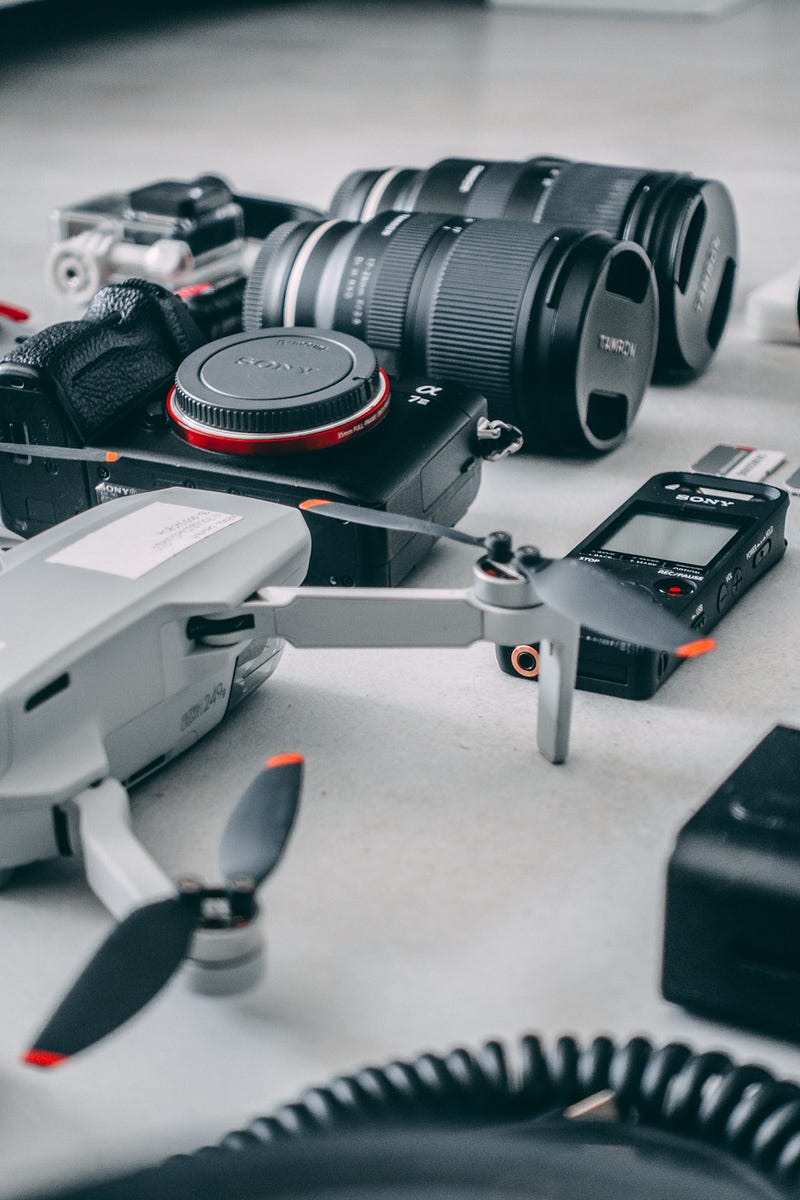
Survival gear is a broad term used to describe the equipment and tools needed to survive in emergency situations. Whether you are preparing for a natural disaster or an unexpected wilderness adventure, having the right gear can make all the difference. In this article, we will discuss some of the essential survival gear you should consider packing for any outdoor excursion.
1. Shelter
One of the most critical elements of survival is shelter. In an emergency situation, you will need protection from the elements, whether it’s from rain, wind, or cold temperatures. A tent or tarp can provide a comfortable place to sleep, and a sleeping bag or blanket will keep you warm. Additionally, a fire starter or portable stove can provide heat and a way to cook food.
2. Water
Water is essential for survival, and in an emergency situation, access to clean drinking water may be limited. Consider packing a portable water filter or water purification tablets to ensure that you have access to safe drinking water. Additionally, you may want to bring along a hydration bladder or water bottles to carry water with you.
3. Food
In an emergency situation, food may be scarce, so it’s essential to pack non-perishable items that are easy to prepare. MREs (Meals Ready to Eat) or dehydrated meals are popular choices, as they can be prepared quickly and easily. Additionally, packing energy bars, nuts, and other high-calorie snacks can help keep you fueled during an emergency.
4. Navigation
Getting lost in the wilderness can be a dangerous situation, so it’s crucial to pack navigation tools such as a compass, map, and GPS device. Additionally, a signaling device such as a whistle or flare can help you alert rescuers to your location if needed.
5. First Aid Kit
Accidents happen, and having a well-stocked first aid kit can be a lifesaver. Your kit should include items such as bandages, antiseptic wipes, pain relievers, and any prescription medications you may need. Additionally, consider packing a basic first aid manual to help you treat injuries effectively.
6. Clothing
Pack clothing that is appropriate for the climate you will be in. Consider packing layers, as temperatures can fluctuate throughout the day. Additionally, pack rain gear and waterproof boots to keep you dry in wet conditions.
7. Multi-Tool
A multi-tool can be a valuable addition to your survival gear, as it can be used for a variety of tasks such as cutting, opening cans, and tightening screws. Additionally, consider packing a knife or machete for tasks such as chopping wood or cutting rope.
8. Lighting
In an emergency situation, a reliable source of light can be critical. Pack a headlamp or flashlight and extra batteries to ensure that you can see in low-light conditions. Additionally, consider packing a lantern or candles to provide ambient light.
9. Communication
Having a way to communicate with the outside world can be crucial in an emergency situation. Pack a fully charged cell phone or two-way radio, and consider bringing along a solar-powered charger or extra batteries to keep your devices powered.
10. Personal Protection
In some emergency situations, personal protection may be necessary. Consider packing a firearm, pepper spray, or a stun gun if you feel comfortable using them. Additionally, consider packing a personal alarm or whistle to alert others to potential danger.
11. Fire Starter
Fire is not only necessary for warmth and cooking, but it can also provide a psychological boost in a survival situation. Consider packing waterproof matches or a lighter and fire starter such as cotton balls or tinder.
12. Emergency Blanket
An emergency blanket, also known as a space blanket or survival blanket, can provide insulation and help regulate body temperature. They are lightweight, compact, and can be used for a variety of purposes, such as shelter or signaling for help.
13. Water Storage
While a portable water filter or purification tablets can provide access to clean drinking water, it’s also essential to have a way to store water. Consider packing a hydration bladder or water bottles with a wide mouth for easy refilling.
14. Cordage
Cordage, such as paracord or rope, can be useful in a variety of situations, such as building shelter, securing gear, or making a splint. Consider packing at least 50 feet of cordage.
15. Sun Protection
Sun exposure can lead to dehydration, sunburn, and heat exhaustion. Consider packing sunscreen, a hat, and sunglasses to protect yourself from the sun’s harmful rays.
16. Insect Repellent
Insects such as mosquitoes and ticks can carry diseases and be a significant annoyance in the outdoors. Consider packing insect repellent to keep bugs at bay.
17. Maps and Navigation Tools
In addition to a compass and GPS device, it’s essential to have maps of the area you will be exploring. Study the maps before your trip and be familiar with the terrain and landmarks.
18. Emergency Whistle
A whistle is a simple yet effective signaling device that can be used to alert rescuers to your location. Pack a whistle and attach it to your backpack or clothing for easy access.
19. Duct Tape
Duct tape can be used for a variety of purposes, such as patching holes in tents or repairing gear. Consider packing a small roll of duct tape for emergencies.
20. Personal Hygiene Items
While personal hygiene may not seem like a top priority in a survival situation, it’s essential to maintain good hygiene to prevent the spread of bacteria and disease. Pack items such as toilet paper, hand sanitizer, and soap.
In conclusion, survival gear is an essential aspect of any outdoor adventure or emergency situation. Pack these essential items to ensure that you have everything you need to survive and stay safe. Remember to prepare for the unexpected and always have a plan in place. With the right gear and preparation, you can explore the outdoors with confidence and peace of mind.
Disaster relief
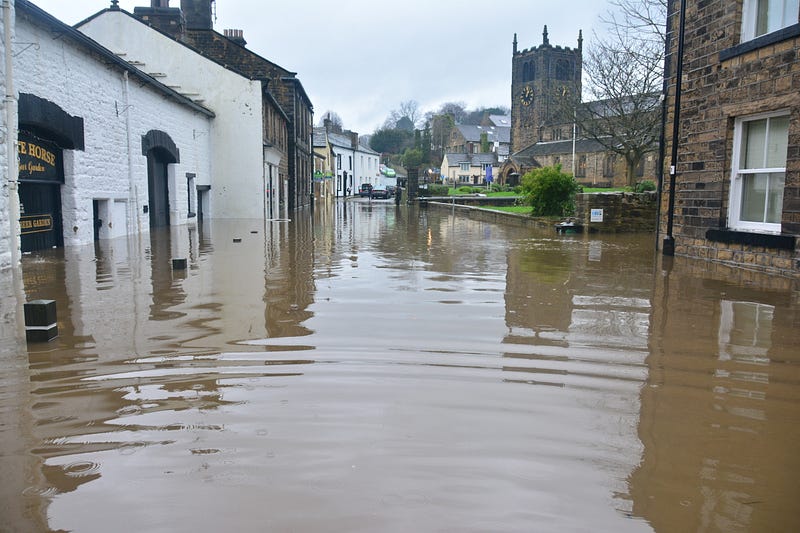
Disasters, both natural and man-made, can strike anywhere and anytime, causing widespread destruction and suffering. Earthquakes, hurricanes, floods, fires, and terrorist attacks are just some of the events that can create a crisis situation that requires immediate and effective disaster relief. In such circumstances, disaster relief organizations and volunteers are tasked with providing assistance to those affected by the disaster, including shelter, food, water, medical care, and emotional support.
Disaster relief is the immediate response to the aftermath of a disaster, aimed at saving lives and reducing the suffering of those affected by the event. The goal of disaster relief is to provide the basic necessities of life to those in need, as quickly and efficiently as possible. Disaster relief organizations such as the Red Cross, UNICEF, and World Vision work tirelessly to provide essential services to those affected by disasters, often with the help of volunteers and donations from the public.
Disaster relief efforts can take place at various levels, from local to international. In many cases, local organizations and volunteers are the first responders, providing immediate assistance and assessing the situation on the ground. National and international organizations can then coordinate their efforts with local groups, providing additional resources and expertise to support the response effort.
One of the most critical components of disaster relief is ensuring the safety of those providing the aid. Emergency responders, medical personnel, and volunteers often put themselves in harm’s way to provide assistance to those in need. Proper training, equipment, and protective gear are essential to ensure the safety of these individuals and to prevent further harm.
In addition to providing immediate assistance, disaster relief efforts must also focus on long-term recovery and rebuilding efforts. The aftermath of a disaster can be devastating, and it can take years for affected communities to fully recover. Disaster relief organizations and volunteers must work to ensure that the necessary resources are available for rebuilding homes, businesses, and infrastructure, and that affected individuals have access to the resources they need to rebuild their lives.
One of the most significant challenges of disaster relief efforts is ensuring that aid is distributed equitably. Disasters can exacerbate existing inequalities, and marginalized communities often face greater challenges in accessing aid and resources. Disaster relief organizations must work to ensure that aid is distributed fairly and that the needs of all affected individuals are met.
The role of technology in disaster relief efforts cannot be understated. Advancements in technology have enabled disaster relief organizations to respond more quickly and effectively to disasters, often providing real-time updates on the situation on the ground. Social media platforms have also played a significant role in disaster relief efforts, allowing individuals to coordinate their efforts, share information, and provide support to those in need.
In recent years, the impact of climate change has made disasters more frequent and severe, highlighting the need for robust disaster relief efforts. Climate-related disasters such as hurricanes, floods, and wildfires have increased in frequency and intensity, requiring more significant resources and efforts to mitigate their impact. Disaster relief organizations must continue to adapt to the changing environment and find new ways to respond to these disasters effectively.
One of the most critical components of effective disaster relief efforts is the involvement of local communities. Local organizations and volunteers often have a better understanding of the needs of affected individuals and can provide a more personalized response. Disaster relief organizations must work to build relationships with local communities and involve them in the planning and implementation of relief efforts.
In addition to the challenges mentioned above, disaster relief efforts can also be complicated by political and social factors. In some cases, political instability, conflict, or discrimination can impede relief efforts or prevent aid from reaching those who need it most. Disaster relief organizations must be aware of these factors and work to address them to ensure that aid is distributed equitably and effectively.
Another challenge in disaster relief is managing the influx of volunteers and donations. While volunteers and donations are critical to disaster relief efforts, their uncoordinated arrival can cause more harm than good. Too many untrained volunteers can put themselves and others at risk, while uncoordinated donations can result in a surplus of one resource and a shortage of another. Disaster relief organizations must work to coordinate volunteer efforts and donations to ensure that they are used effectively and efficiently.
Finally, it is essential to recognize the emotional toll that disasters can take on individuals and communities. The trauma and stress of a disaster can have long-lasting effects on mental health, and it is essential to provide emotional support to those affected by disasters. Disaster relief organizations must ensure that mental health services are available to those in need and that emotional support is integrated into relief efforts.
Overall, disaster relief efforts are essential in responding to the aftermath of disasters and mitigating their impact on affected individuals and communities. Effective disaster relief requires coordination between local and international organizations, the involvement of local communities, the use of technology, and a focus on both immediate assistance and long-term recovery. Despite the challenges involved in disaster relief, the dedication and hard work of relief organizations and volunteers continue to make a significant impact in helping those affected by disasters.
In conclusion, disaster relief efforts are essential in mitigating the impact of disasters on affected individuals and communities. The goal of disaster relief is to provide immediate assistance to those in need, as well as to support long-term recovery and rebuilding efforts. Disaster relief organizations and volunteers play a crucial role in providing assistance to those affected by disasters, often with the support of the public and technology. As the impact of disasters continues to grow, disaster relief efforts must continue to adapt and evolve
Outdoor survival
Outdoor survival is the knowledge and skills needed to stay alive and healthy in remote or wilderness areas, where the environment can be unpredictable and potentially hazardous. Whether you are a seasoned outdoors enthusiast or just starting out, understanding the basic principles of outdoor survival is essential for any outdoor activity.
Here are some key tips and techniques for outdoor survival:
1. Prepare Before You Go The first step in outdoor survival is preparation. This means that before you head out into the wilderness, you need to make sure that you have all the necessary equipment and supplies. This includes a map and compass, a first aid kit, a source of shelter (tent or tarp), a source of water (water filter or purification tablets), and a source of food (energy bars or dehydrated meals). Make sure that you have enough of these supplies to last you for the duration of your trip, and always let someone know where you are going and when you expect to return.
2. Know Your Environment The next step in outdoor survival is to understand your environment. This means knowing the weather patterns, the terrain, and the wildlife in the area. It is important to be aware of potential hazards, such as rockslides, flash floods, and wild animals. By understanding the environment, you can better prepare for any challenges that may arise.
3. Find Shelter In a survival situation, finding shelter is crucial. Exposure to the elements can lead to hypothermia, dehydration, and other health issues. Look for natural shelters, such as caves or overhangs, and use tarps, tents, or other materials to create a shelter if needed. Be sure to stay dry and protected from the wind, rain, and snow.
4. Find Water Water is essential for survival, and it is important to know how to find and purify water in the wilderness. Look for sources of water such as rivers, streams, and lakes. If you cannot find a natural source of water, look for signs of moisture, such as dew on plants or moisture in the soil. It is important to purify all water before drinking it, using a water filter or purification tablets.
5. Find Food In a survival situation, finding food can be challenging. However, there are many edible plants and animals in the wilderness. Learn to identify edible plants and berries, and know how to catch and prepare small game, such as squirrels or rabbits. Always be cautious when foraging for food, as some plants and mushrooms can be poisonous.
6. Build a Fire Fire is an essential tool for survival, as it provides warmth, light, and a way to cook food. Learn how to build a fire using natural materials, such as dry leaves, twigs, and branches. Use a firestarter or matches to ignite the fire, and be sure to build the fire in a safe location, away from any flammable materials.
7. Signal for Help If you are lost or injured in the wilderness, it is important to signal for help. Use a whistle or mirror to create a signal, or build a signal fire using green branches or smoke. Be sure to stay in one location, as moving around can make it difficult for rescuers to find you.
8. Stay Calm and Positive In a survival situation, it is easy to become panicked or overwhelmed. However, it is important to stay calm and positive. Take deep breaths, stay hydrated, and focus on the tasks at hand. Use positive self-talk to stay motivated and keep a positive attitude.
In addition to the tips listed above, there are a few other key principles to keep in mind when it comes to outdoor survival. One is to conserve energy whenever possible. This means avoiding unnecessary physical activity, staying hydrated, and getting enough rest. It is also important to stay warm and dry, as exposure to cold and wet conditions can quickly lead to hypothermia and other health issues.
Another important principle is to stay focused on the present moment. In a survival situation, it can be easy to become overwhelmed with thoughts of the future or worries about what has already happened. However, it is important to stay focused on what needs to be done in the moment, such as finding shelter or starting a fire.
Finally, it is important to have a positive attitude and a strong sense of determination. Surviving in the wilderness requires mental as well as physical strength, and it is important to stay motivated and focused on the goal of getting through the situation.
In conclusion, outdoor survival is a combination of knowledge, skills, and preparation. By understanding the environment, having the necessary equipment and supplies, and knowing how to find food, water, shelter, and signal for help, you can increase your chances of surviving in the wilderness. Remember
that survival situations can happen to anyone, even experienced outdoors enthusiasts. It is important to always have a plan for emergencies and to be prepared for unexpected situations.
When preparing for a trip, it is also important to research the area you will be visiting and any potential risks or hazards. This includes checking weather forecasts, understanding local wildlife and potential predators, and being aware of any natural disasters that may be common in the area.
Wilderness survival
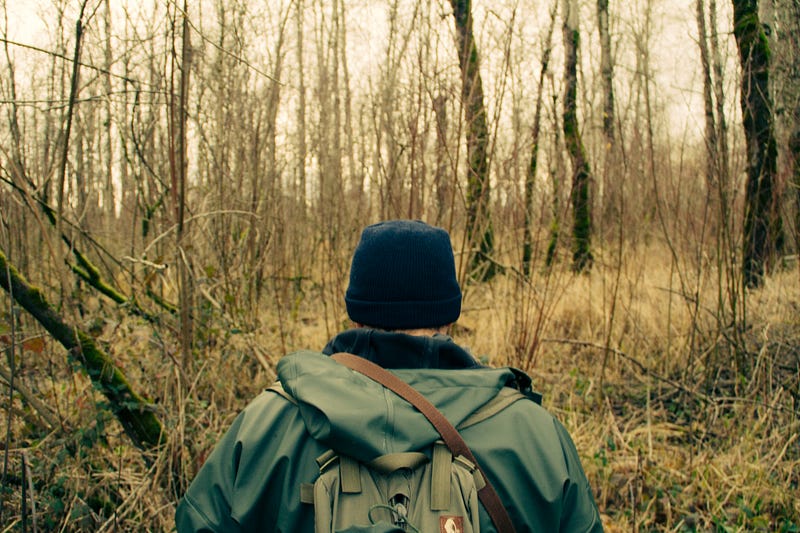
Wilderness survival is the art of staying alive in the wilderness, usually without the aid of modern amenities like electricity, running water, and food supplies. It’s an essential skill for anyone who spends time in the great outdoors, whether it’s hiking, camping, or exploring remote areas. In this article, we’ll discuss some of the essential skills and knowledge you need to survive in the wilderness.
Shelter
The first priority in wilderness survival is shelter. Exposure to the elements can be deadly, so it’s essential to create a shelter that protects you from wind, rain, and sun. A shelter can be anything from a simple tarp or a poncho to a more elaborate structure like a lean-to or a debris hut. The key is to have something that keeps you dry and warm, and that you can construct quickly and easily using the resources available in the area.
Water
Water is another critical element of wilderness survival. You can go without food for weeks, but you can only survive a few days without water. In a wilderness setting, water can be scarce, so it’s important to know how to find and purify water. Look for natural sources like streams, rivers, and lakes, and be sure to purify any water you drink by boiling it, filtering it, or using chemical treatments.
Food
While you can survive for a few weeks without food, it’s essential to know how to find and prepare food in the wilderness. Foraging for edible plants, fishing, and hunting are all viable options. However, it’s important to have knowledge of the local flora and fauna to avoid poisonous plants and animals. It’s also important to have the necessary tools for hunting and fishing, like a fishing line, hooks, and a hunting knife.
Fire
Fire is a vital tool in wilderness survival. It can provide warmth, light, and a means of cooking food. It’s important to know how to start a fire using various methods, like a lighter, matches, or a fire starter. It’s also important to know how to find and gather dry tinder and kindling, like dry leaves, twigs, and small branches.
Navigation
Navigation is essential in wilderness survival, especially if you become lost or disoriented. A map and compass are helpful tools, but it’s important to know how to navigate using natural landmarks, like the sun, stars, and the direction of the wind. It’s also important to know how to create and follow a trail to avoid getting lost.
First Aid
Injuries and illnesses can occur in the wilderness, so it’s essential to know basic first aid. Knowledge of how to treat cuts, burns, and broken bones can be life-saving in a wilderness setting. It’s also important to have a first aid kit with supplies like bandages, antiseptics, and pain relievers.
Survival Kit
A survival kit is a collection of essential tools and supplies that can aid in wilderness survival. A survival kit can include items like a knife, compass, matches, water purification tablets, and a signaling device like a whistle or a mirror. It’s important to pack a survival kit before heading out into the wilderness and to ensure that it’s always easily accessible.
Mindset
Perhaps the most critical element of wilderness survival is the right mindset. In a survival situation, it’s easy to become panicked, stressed, or hopeless. It’s essential to remain calm, focused, and determined to survive. Maintaining a positive attitude and a sense of humor can also be helpful in a survival situation.
Here are some additional tips and considerations to keep in mind when it comes to wilderness survival:
* Clothing: The clothes you wear can greatly impact your chances of survival. Dress in layers and choose materials that are lightweight, quick-drying, and breathable. Avoid cotton as it absorbs moisture and can make you colder. A hat and sunglasses can also help protect you from the sun’s harmful rays.
* Avoiding hazards: In the wilderness, there are many hazards to avoid, like poisonous plants, venomous snakes, and dangerous animals. Know the potential hazards in the area you are exploring and take precautions to avoid them. For example, don’t eat berries or plants that you can’t identify, and don’t approach wild animals.
* Communication: In a survival situation, it’s essential to have a way to communicate with others. A whistle, signal mirror, or flare can be useful for attracting attention. It’s also important to let others know where you are going and when you plan to return.
* Mental and physical health: Maintaining good physical and mental health is crucial for wilderness survival. Stay hydrated, well-rested, and nourished. Engage in activities that help reduce stress, like meditation or yoga. It’s also important to have a positive attitude and to stay motivated.
* Practice: The best way to prepare for wilderness survival is to practice. Go on camping trips or hikes and practice building shelters, starting fires, and purifying water. Take a wilderness survival course or join a survivalist group to learn from experts and gain valuable experience.
* Signaling for help: If you become lost or injured in the wilderness, it’s important to know how to signal for help. In addition to using a whistle or signal mirror, you can create visible signals like a fire or a brightly-colored object. You can also create audible signals like shouting, clapping, or banging on a hard surface. Three of anything (e.g. three whistle blasts, three shouts, etc.) is a commonly recognized signal for distress.
* Building a shelter: When building a shelter, it’s important to choose a location that is protected from the elements and has a good source of insulation. Look for natural features like caves or overhangs, or create a structure using materials like branches, leaves, and moss. Make sure your shelter is sturdy and well-constructed to protect you from wind, rain, and cold temperatures.
* Starting a fire: Starting a fire can be a challenging but essential task in wilderness survival. Some useful materials for starting a fire include dry tinder like bark, small twigs, and dry leaves, as well as kindling like small branches and larger sticks. A fire starter like a lighter or waterproof matches can be useful, but it’s also important to know how to start a fire using natural methods like a fire bow or a flint and steel.
* Water purification: In the wilderness, it’s important to purify any water you drink to avoid getting sick from bacteria, viruses, and other contaminants. Boiling water for at least 1–3 minutes is an effective method of purification, as is using water purification tablets or a water filter. You can also make a simple solar still to collect and purify water from natural sources.
* Food sources: In addition to foraging for edible plants, fishing and hunting can provide valuable sources of protein in a survival situation. It’s important to know how to safely and effectively fish and hunt, and to respect local laws and regulations. If you do catch or kill an animal, make sure to cook it thoroughly to avoid getting sick from raw meat.
* Emergency supplies: In addition to a survival kit, it’s important to have emergency supplies like a headlamp, extra batteries, and a first aid kit. A multi-tool or a survival knife can also be useful for a variety of tasks like cutting rope, preparing food, and building shelter.
* Navigation tools: In addition to a map and compass, there are other navigation tools you can use in the wilderness. GPS devices and satellite communicators can provide valuable information about your location and can help you communicate with rescue teams in an emergency. However, it’s important to know how to navigate using natural methods as well, in case your electronic devices fail.
Overall, wilderness survival is a challenging but rewarding skill to learn. By preparing yourself with the right tools, knowledge, and mindset, you can increase your chances of surviving in the wilderness and enjoy the beauty and adventure of the great outdoors. Remember to always prioritize safety and to respect the environment and wildlife around you.
In conclusion, wilderness survival requires a combination of knowledge, skills, and mindset. By preparing yourself with the proper tools, knowledge, and experience, you can increase your chances of surviving in the wilderness. Remember to stay calm, focused, and determined, and always prioritize your safety above all else. With practice and preparation, you can enjoy the great outdoors with confidence and peace of mind.
Bug out bag
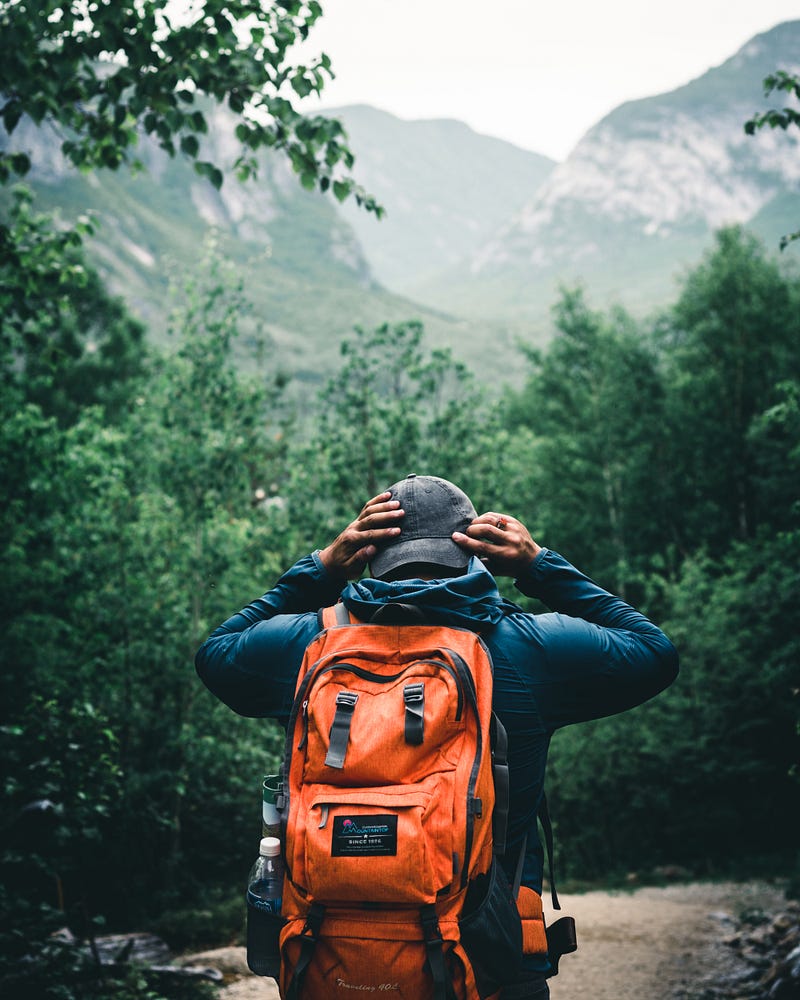
A bug out bag, also known as a go-bag or 72-hour kit, is a pre-packed emergency survival kit designed to sustain an individual or a family for at least 72 hours during a disaster or crisis. The term “bug out” refers to the act of quickly leaving an area due to an imminent threat or danger, such as a natural disaster or civil unrest. A bug out bag is an essential tool for anyone who wants to be prepared for unexpected events and to have the necessary resources to survive.
The contents of a bug out bag can vary depending on the individual’s needs and situation, but there are some basic items that every bug out bag should have. These include food and water, shelter, clothing, first aid supplies, communication devices, and tools.
Food and Water: Food and water are the most essential items to have in a bug out bag. Pack non-perishable, high-calorie foods that are easy to prepare and don’t require refrigeration. Examples include protein bars, canned goods, and freeze-dried meals. Pack at least one gallon of water per person per day, and consider including a water filtration device or water purification tablets in case you need to obtain water from natural sources.
Shelter: A sturdy shelter is critical for survival in any situation. Pack a lightweight, waterproof tent or tarp that can protect you from the elements. If you live in a cold climate, consider including a sleeping bag or blankets to keep you warm.
Clothing: Pack extra clothing suitable for the climate you’re in, including warm clothing, rain gear, and sturdy shoes or boots. A hat, sunglasses, and sunscreen can also help protect you from the sun’s rays.
First Aid Supplies: Injuries and illnesses are common in emergency situations, so it’s crucial to have a well-stocked first aid kit. Include items such as bandages, gauze, antiseptic wipes, pain relievers, and any prescription medications you or your family members may need.
Communication Devices: Having a way to communicate with others during an emergency can be vital. Pack a battery-operated radio or a hand-crank emergency radio that can pick up weather alerts and other
important information. A charged cell phone or portable charger can also be helpful.
Tools: In a crisis, you may need to rely on your own resources to survive. Pack tools that can help you navigate, start a fire, and make repairs. Consider including a map and compass, a multi-tool, a fire starter kit, and duct tape.
When packing your bug out bag, keep in mind the specific risks and threats in your area. For example, if you live in an area prone to hurricanes, you may want to include extra tarps and ropes for securing your shelter. If you live in an area with cold winters, you may need to pack additional warm clothing and blankets.
It’s also essential to regularly check and maintain your bug out bag. Replace expired food and water, update your first aid supplies, and make sure your communication devices are charged and working correctly.
In addition to having a bug out bag, it’s important to have a plan in place for how you will evacuate or shelter in place during an emergency. Identify multiple escape routes, have a designated meeting place for family members, and be aware of local emergency shelters.
In conclusion, a bug out bag is a vital tool for anyone who wants to be prepared for unexpected events and to have the necessary resources to survive. By packing essential items such as food, water, shelter, clothing, first aid supplies, communication devices, and tools, you can increase your chances of surviving during a crisis. Remember to regularly check and maintain your bug out bag, and have a plan in place for how you will evacuate or shelter in place during an emergency.
When assembling a bug out bag, it’s important to consider the weight and size of each item. You want to make sure that your bag is lightweight and easy to carry, especially if you need to move quickly. A good rule of thumb is to keep the weight of your bug out bag under 25% of your body weight. If you’re carrying a bag for your entire family, make sure to distribute the weight evenly between everyone.
One way to reduce the weight of your bug out bag is to choose items that serve multiple purposes. For example, a bandana can be used as a bandage, water filter, or fire starter. A multi-tool can serve as a knife, pliers, and screwdriver. Choosing items that are durable and high-quality can also help reduce the need for replacements.
It’s also important to have a plan for where you will go in the event of an emergency. This may involve having a designated bug out location or knowing the location of emergency shelters in your area. Make sure to have maps and other navigation tools on hand to help you get to your destination.
While a bug out bag is an important tool for survival, it’s also important to have other emergency supplies on hand. Consider keeping a stash of non-perishable food, water, and other essential supplies in your home or car. Make sure to also have a plan for how you will communicate with family members and emergency responders in the event of an emergency.
In addition to having a bug out bag, it’s also important to stay informed about potential threats and emergency situations in your area. Sign up for local emergency alerts and stay tuned to news and weather reports. Having a plan and being prepared can help reduce the stress and uncertainty of an emergency situation.
In conclusion, a bug out bag is an essential tool for anyone who wants to be prepared for unexpected events and emergencies. By packing essential items such as food, water, shelter, clothing, first aid supplies, communication devices, and tools, you can increase your chances of surviving during a crisis. It’s important to regularly check and maintain your bug out bag, and to have a plan in place for how you will evacuate or shelter in place during an emergency. Remember to keep your bug out bag lightweight and to choose items that serve multiple purposes. By being prepared and staying informed, you can help protect yourself and your family during an emergency.
Survival kits
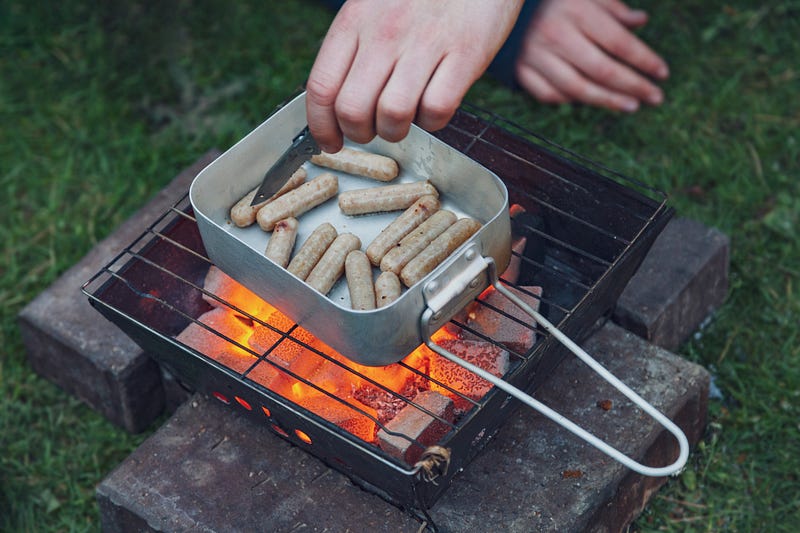
A survival kit is a collection of essential items and supplies that can help an individual or group of people survive in the event of an emergency or disaster. These kits can vary depending on the intended use and the environment in which they will be used. Whether you are planning a camping trip or preparing for a natural disaster, having a survival kit can mean the difference between life and death. In this article, we will discuss the importance of survival kits, what should be included in them, and how to customize them to meet your specific needs.
The Importance of Survival Kits
The world we live in is unpredictable, and natural disasters, accidents, and emergencies can happen at any time. Having a well-stocked survival kit can help you prepare for the unexpected and ensure that you and your loved ones are safe and secure. Survival kits can be used in a variety of situations, including camping trips, hiking expeditions, and natural disasters like earthquakes, hurricanes, and wildfires.
What Should be Included in a Survival Kit?
The contents of a survival kit will vary depending on the intended use and the environment in which it will be used. However, there are some basic items that should be included in every survival kit, such as:
1. Water: Water is essential for survival, and it is recommended that each person should have at least one gallon of water per day.
2. Food: Non-perishable food items such as canned goods, protein bars, and freeze-dried meals are ideal for survival kits. It is also important to include a can opener and utensils.
3. First Aid Kit: A well-stocked first aid kit should include items such as bandages, gauze, antiseptic wipes, pain relievers, and any necessary prescription medications.
4. Shelter: A survival kit should include some form of shelter such as a tent, tarp, or emergency blanket.
5. Fire: Items such as matches, lighters, and fire starters are important for starting a fire in emergency situations.
6. Communication: A communication device such as a cell phone or two-way radio can help you stay in touch with others and call for help if needed.
7. Navigation: A map and compass can help you find your way in unfamiliar territory.
8. Tools: A survival kit should include basic tools such as a knife, multi-tool, and duct tape.
Customizing Your Survival Kit
In addition to the basic items listed above, you may want to customize your survival kit to meet your specific needs. For example, if you are planning a camping trip, you may want to include items such as insect repellent, sunscreen, and a portable stove. If you live in an area prone to earthquakes, you may want to include items such as a gas shut-off wrench, dust masks, and safety goggles.
When customizing your survival kit, it is important to consider your specific needs and the environment in which you will be using the kit. For example, if you have young children, you may want to include items such as diapers, baby wipes, and formula. If you have pets, you may want to include extra food and water for them as well.
Storing Your Survival Kit
Once you have assembled your survival kit, it is important to store it in a safe and easily accessible location. Your survival kit should be kept in a waterproof container and stored in a cool, dry place. It is also important to check the contents of your kit regularly and replace any expired or used items.
In addition to a personal survival kit, it is also a good idea to have an emergency kit for your home and car. These kits should include items such as food, water, first aid supplies, and blankets.
When assembling your survival kit, it is important to consider the environment in which it will be used, as well as your specific needs. Customizing your kit can help ensure that you have everything you need to survive in the event of an emergency or disaster.
Finally, it is important to remember that a survival kit is only one part of your emergency preparedness plan. It is also important to have a plan in place for communication, evacuation, and meeting places in case of an emergency. Regularly reviewing and updating your plan and survival kit can help ensure that you are always prepared for the unexpected.
In addition to having a personal survival kit, it is also important to consider the needs of your family or group. If you are planning a camping trip or hiking expedition with others, make sure to bring enough supplies for everyone. If you have family members with special needs, such as medications or mobility aids, make sure to include these items in your kit.
Another important factor to consider when assembling your survival kit is the duration of the emergency or disaster you are preparing for. If you are preparing for a short-term emergency, such as a power outage or severe weather event, your kit may only need to last for a few days. However, if you are preparing for a longer-term disaster, such as a major earthquake or hurricane, you may need to include more supplies and plan for long-term survival.
It is also important to keep your survival kit up to date and replace any items that have expired or been used. A good way to keep track of the contents of your kit is to create a checklist and review it regularly. Some items, such as food and water, may need to be rotated out and replaced periodically.
Finally, it is important to remember that a survival kit is just one part of your overall emergency preparedness plan. Make sure to also have a plan in place for communication, evacuation, and meeting places in case of an emergency. Practice your plan with your family or group so that everyone knows what to do in the event of an emergency.
In summary, a survival kit is an important item for anyone who wants to be prepared for the unexpected.
By customizing your kit to meet your specific needs, storing it in a safe and accessible location, and keeping it up to date, you can help ensure your safety and survival in the event of an emergency or disaster. Remember, being prepared is the best defense against the unexpected, and a well-stocked survival kit is a crucial part of any emergency preparedness plan.
Final Thoughts
In conclusion, a survival kit is an essential item for anyone who wants to be prepared for the unexpected. Whether you are planning a camping trip or preparing for a natural disaster, having a well-stocked survival kit can help ensure your safety and survival.
Self-reliance
Self-reliance is an important trait that can help individuals achieve success and happiness in their personal and professional lives. Being self-reliant means having the ability to take care of oneself and to rely on one’s own skills, abilities, and resources to achieve goals and overcome challenges. In this article, we will explore the benefits of self-reliance and some tips on how to cultivate it.
One of the main benefits of self-reliance is that it helps individuals develop a sense of confidence and independence. When individuals learn to rely on themselves, they become more self-assured and less fearful of taking risks. They are more likely to try new things and pursue their goals, even if those goals seem challenging or intimidating.
Self-reliance also allows individuals to take control of their lives. When individuals are not dependent on others for their basic needs, such as food, shelter, and financial support, they are free to make their own decisions and live life on their own terms. They can pursue their passions and interests without being held back by the opinions or expectations of others.
Another benefit of self-reliance is that it helps individuals become more resilient in the face of adversity. Life is full of challenges, and those who are self-reliant are better equipped to deal with them. They have the confidence and skills needed to overcome obstacles and find solutions to problems. They are also more adaptable and flexible, which allows them to bounce back from setbacks and continue moving forward.
So how can individuals cultivate self-reliance? Here are some tips:
1. Take responsibility for your life: The first step in becoming self-reliant is to take responsibility for your life. This means accepting that you are in control of your own destiny and that you are responsible for your own success and happiness.
2. Develop your skills: To be self-reliant, you need to have the skills and knowledge needed to take care of yourself. This may involve learning new skills, such as cooking, budgeting, or home repairs. It may also involve developing your existing skills and talents, such as writing, public speaking, or computer programming.
3. Build a support network: While self-reliance involves relying on yourself, it doesn’t mean that you have to go it alone. Building a support network of friends, family, and mentors can provide you with the encouragement, advice, and assistance you need to achieve your goals.
4. Embrace challenges: Self-reliance is built through facing challenges and overcoming obstacles. Embrace challenges as opportunities to grow and learn, and don’t be afraid to take risks and try new things.
5. Practice self-care: Taking care of yourself is an important part of being self-reliant. Make sure you get enough sleep, eat a healthy diet, exercise regularly, and take time for activities that you enjoy.
6. Set goals: Setting goals is an important part of achieving self-reliance. Identify what you want to achieve, and then create a plan for how you will get there. Break your goals down into smaller, more manageable steps, and then take action to achieve them.
7. Learn from failure: Failure is a natural part of the learning process. When things don’t go according to plan, take the opportunity to learn from your mistakes and make adjustments to your approach.
8. Be adaptable: Being self-reliant requires adaptability. Be open to new ideas and ways of doing things, and be willing to adjust your approach when circumstances change.
While it may take time and effort to develop this trait, the rewards are well worth it.
Self-reliance is also a valuable trait in the workplace. Employers often seek out employees who are self-reliant and can work independently. Self-reliant employees are able to take ownership of their work and are less likely to require constant supervision or guidance. They are also more likely to come up with innovative solutions to problems and take initiative to improve processes.
However, it is important to note that self-reliance does not mean that individuals should never ask for help or support. It is important to know when to ask for assistance and to recognize that it is not a sign of weakness. Asking for help when needed can actually be a sign of strength and can help individuals overcome challenges more quickly and effectively.
In addition, self-reliance should not be confused with self-centeredness or selfishness. Being self-reliant does not mean that individuals should disregard the needs or feelings of others. Instead, it means that individuals should take responsibility for their own lives while still being considerate of others and their needs.
Another important aspect of self-reliance is having a strong sense of self-awareness. Self-awareness involves understanding one’s own thoughts, feelings, and motivations. By being self-aware, individuals can better understand their strengths and weaknesses, and can work to improve themselves. This, in turn, can help them become more self-reliant as they work to build their skills and overcome their
challenges.
Self-reliance is also closely related to self-discipline. Self-discipline involves the ability to control one’s own behavior and impulses, and to stay focused on goals even when faced with distractions or obstacles. Self-discipline is essential for achieving self-reliance, as it allows individuals to stay committed to their goals and to put in the effort needed to achieve them.
In addition, self-reliance can also help individuals develop a sense of inner peace and contentment. When individuals are able to take care of themselves and rely on their own abilities, they are less likely to feel stressed or overwhelmed. They are also less likely to compare themselves to others or to seek validation from external sources. Instead, they can find satisfaction in their own accomplishments and can focus on living a fulfilling life on their own terms.
Finally, it is worth noting that self-reliance is not something that can be achieved overnight. It is a lifelong journey that requires commitment, dedication, and hard work. However, the rewards of self-reliance are many, and include increased confidence, independence, resilience, and success. By taking small steps each day to cultivate self-reliance, individuals can gradually build this important trait and enjoy the benefits that come with it.
In conclusion, self-reliance is an important trait that can help individuals achieve success and happiness in all areas of their lives. By taking responsibility for their lives, developing their skills, building a support network, embracing challenges, practicing self-care, setting goals, learning from failure, and being adaptable, individuals can cultivate self-reliance and enjoy the benefits that come with it.
Food storage

Food storage is an essential part of our daily lives. It is important to store food properly to ensure that it stays fresh and safe to consume. Proper food storage not only helps to prevent food waste but also helps to save money on grocery bills. In this article, we will discuss some important aspects of food storage and tips for storing food properly.
The first thing to consider when storing food is the type of food. Different types of food require different storage methods. For example, fruits and vegetables should be stored in the refrigerator, while dry goods like rice and beans can be stored in a cool, dry place. Raw meat and poultry should always be stored in the refrigerator or freezer to prevent bacterial growth.
The temperature at which food is stored is also important. Most fresh foods should be stored at temperatures below 40 degrees Fahrenheit to prevent bacterial growth. The ideal temperature for a refrigerator is between 35–38 degrees Fahrenheit, while the ideal temperature for a freezer is below 0 degrees Fahrenheit. It is important to check the temperature of your refrigerator and freezer regularly to ensure that it is functioning properly.
Food storage containers are also important. Containers should be airtight to prevent moisture and air from getting in, which can cause food to spoil. Plastic containers, glass jars, and resealable bags are all good options for storing food. It is important to label containers with the date and contents to keep track of how long the food has been stored.
When it comes to storing leftovers, it is important to refrigerate or freeze them promptly. Leftovers should be stored in airtight containers and consumed within three to four days. If you are unsure whether leftovers are still safe to eat, it is better to err on the side of caution and throw them away.
Another important aspect of food storage is proper organization. Keeping your food storage areas organized can help prevent food waste and save time when preparing meals. One way to keep your food storage areas organized is to rotate your food. This means using the oldest items first and moving newer items to the back. This helps to ensure that nothing goes bad before it can be used.
Pantry storage is another important aspect of food storage. Dry goods like pasta, rice, and beans should be stored in a cool, dry place away from direct sunlight. It is also important to store these items in airtight containers to prevent moisture and pests from getting in. Canned goods should be stored in a cool, dry place as well. It is important to check the expiration dates on canned goods regularly and discard any that are past their expiration date.
If you buy food in bulk, it is important to store it properly to prevent spoilage. Dry goods like flour and sugar should be stored in airtight containers in a cool, dry place. Frozen foods should be stored in the freezer as soon as possible after purchase to prevent thawing and spoilage. Meat and poultry should be divided into portions and stored in airtight containers in the freezer.
It is also important to consider the shelf life of different types of food when storing them. Fresh fruits and vegetables should be consumed within a few days, while canned and frozen foods can last for several months or even years. It is important to check the expiration dates on packaged foods and discard any that are past their expiration date.
In addition to the tips mentioned above, here are some more specific recommendations for storing different types of food:
* Fruits and vegetables: These should be stored in the refrigerator to keep them fresh. However, some fruits like bananas and avocados should be stored at room temperature until they are ripe, then moved to the refrigerator to prolong their shelf life.
* Bread: Bread should be stored at room temperature in a dry, cool place, away from direct sunlight. It can also be stored in the freezer for longer shelf life.
* Dairy products: Milk, cheese, and yogurt should be stored in the refrigerator at or below 40 degrees Fahrenheit. Cheese should be wrapped in wax paper or aluminum foil to prevent drying out.
* Meat and poultry: Raw meat and poultry should always be stored in the refrigerator or freezer to prevent bacterial growth. It is important to keep these items separate from other foods to prevent cross-contamination.
* Eggs: Eggs should be stored in their original carton in the refrigerator. The carton helps to protect the eggs and keep them fresh.
* Nuts and seeds: These should be stored in airtight containers in the refrigerator or freezer to prevent them from going rancid.
* Spices: Spices should be stored in a cool, dry place away from direct sunlight. It is best to store them in airtight containers to prevent moisture and air from getting in.
* Beverages: Soda, juice, and other beverages should be stored in the refrigerator to keep them cold. It is important to check the expiration dates on these items regularly and discard any that are past their expiration date.
When storing food, it is important to keep in mind the potential hazards that can affect food safety. These include bacteria, mold, and pests. To prevent these hazards, it is important to clean and sanitize food storage areas regularly. Wipe down shelves, drawers, and containers with a mixture of hot water and vinegar or a food-safe disinfectant. It is also important to keep food storage areas dry and free of clutter to prevent pests from taking up residence.
Lastly, it is important to remember that food storage is not just about preserving the quality and safety of food. It is also about minimizing food waste and reducing our environmental impact. By storing food properly, we can help to reduce the amount of food that goes to waste, which in turn helps to conserve natural resources and reduce greenhouse gas emissions.
Another important factor to consider when storing food is the type of container or packaging that is used. For example, glass or plastic containers with airtight lids are ideal for storing food in the refrigerator or freezer. This helps to prevent air and moisture from getting in, which can lead to spoilage.
For dry goods like grains, pasta, and cereals, it is best to store them in airtight containers in a cool, dry place like a pantry. This helps to prevent insects, moisture, and odors from affecting the quality of the food.
When it comes to storing leftovers, it is important to use the right containers and to store them promptly. Leftovers should be cooled to room temperature before being stored in the refrigerator or freezer. It is important to store them in airtight containers or wrap them tightly with plastic wrap or aluminum foil to prevent air and moisture from getting in. It is also important to label and date leftovers to ensure that they are used within a safe timeframe.
In addition to storing food properly, it is important to plan ahead and only buy the amount of food that you need. This can help to reduce food waste and save money. When grocery shopping, make a list of the items you need and stick to it. Avoid buying perishable items in bulk unless you know that you will use them before they spoil.
Another way to reduce food waste is to use up leftovers and ingredients that are close to their expiration date. Get creative in the kitchen and try new recipes that use up ingredients that you already have on hand. This can help to save money and prevent food waste.
In addition, it is important to keep an eye on expiration dates and to use food before it goes bad. Check expiration dates regularly and rotate items in your pantry and refrigerator to ensure that older items are used up before newer items. If an item is past its expiration date, it is best to discard it to avoid the risk of foodborne illness.
Finally, it is important to keep food safety in mind when storing and handling food. Always wash your hands before handling food and use separate cutting boards and utensils for raw meat and poultry to prevent cross-contamination. Thoroughly cook meat and poultry to the appropriate temperature to kill harmful bacteria, and refrigerate or freeze leftovers promptly.
In conclusion, food storage is an important aspect of maintaining a healthy and sustainable lifestyle. By following these tips and best practices, we can help to reduce food waste, save money, and ensure that our food stays fresh and safe to eat. It is important to be mindful of food safety and to plan ahead to avoid buying more food than we need. By working together, we can create a more sustainable food system and reduce our impact on the environment.
Water purification

Water is a crucial resource that sustains life on earth, and it is essential that the water we drink and use in our daily lives is clean and safe. Water purification is the process of removing impurities and contaminants from water to make it safe for consumption or other uses. Water purification is a crucial process as it not only helps protect our health but also ensures that we have access to clean and safe water for various activities such as cooking, cleaning, and agriculture.
There are several methods of water purification, and they can be classified into physical, chemical, and biological methods. Physical methods of water purification include sedimentation, filtration, and distillation. Chemical methods of water purification include chlorination, ozonation, and ultraviolet (UV) irradiation. Biological methods of water purification include the use of bacteria and other microorganisms to treat water.
Sedimentation is the process of allowing water to sit undisturbed so that the heavier particles settle at the bottom of the container. This method is effective in removing large particles such as sand and silt, but it is not effective in removing smaller particles and dissolved impurities.
Filtration is the process of passing water through a filter, which can be made of sand, gravel, or activated carbon. Filters are effective in removing particles and some dissolved impurities such as chlorine, but they are not effective in removing microorganisms.
Distillation is the process of boiling water and then condensing the steam to obtain pure water. This method is effective in removing most impurities, including microorganisms, but it is time-consuming and requires a lot of energy.
Chemical methods of water purification include chlorination, which involves adding chlorine to water to kill microorganisms. This method is effective in killing bacteria and viruses, but it may not be effective in removing some chemicals and heavy metals.
Ozonation is the process of adding ozone to water to kill microorganisms and remove organic compounds. This method is effective in removing some chemicals and heavy metals, but it may not be effective in removing all microorganisms.
UV irradiation is the process of exposing water to UV light to kill microorganisms. This method is effective in killing bacteria and viruses, but it may not be effective in removing chemicals and heavy metals.
Biological methods of water purification include the use of bacteria and other microorganisms to treat water. The most common method is the use of activated sludge, which involves adding microorganisms to water to break down organic matter. This method is effective in removing organic matter and some microorganisms, but it may not be effective in removing chemicals and heavy metals.
Regardless of the method used, water purification is a critical process that requires careful monitoring and maintenance to ensure that the water remains safe and free from impurities. Water treatment plants are responsible for purifying water on a large scale, and they use a combination of physical, chemical, and biological methods to ensure that the water meets the required standards.
Water treatment plants typically begin the purification process by screening the water to remove large particles such as leaves and debris. The water is then subjected to several treatment processes, including coagulation, sedimentation, filtration, disinfection, and fluoridation.
Coagulation involves adding chemicals to the water to make impurities clump together and form larger particles, which can then be removed through sedimentation and filtration. Sedimentation involves allowing the water to sit undisturbed so that the heavier particles settle at the bottom of the container. The water is then passed through filters, which can be made of sand, gravel, or activated carbon, to remove smaller particles and dissolved impurities.
Disinfection is the process of killing or removing harmful microorganisms from the water. Chlorination is the most common method of disinfection, but other methods such as ozonation and UV irradiation may also be used. Fluoridation is the process of adding fluoride to the water to help prevent tooth decay.
In addition to these treatment processes, water treatment plants also monitor the water quality to ensure that it meets the required standards. This includes testing for various contaminants such as bacteria, viruses, chemicals, and heavy metals.
While water treatment plants are responsible for purifying water on a large scale, there are also various methods that individuals can use to purify water at home. These methods include boiling, using a water filter, or using chemical disinfectants such as chlorine tablets.
Boiling water is an effective method of purifying water as it kills most microorganisms. However, it does not remove chemicals or heavy metals.
Water filters are also effective in removing impurities from water. There are several types of water filters available, including activated carbon filters, reverse osmosis filters, and ceramic filters. Activated carbon filters are effective in removing chlorine, volatile organic compounds (VOCs), and some heavy metals. Reverse osmosis filters are effective in removing dissolved impurities such as salts and minerals.
Ceramic filters are effective in removing bacteria and protozoa.
Chemical disinfectants such as chlorine tablets can also be used to purify water. These tablets are effective in killing microorganisms, but they may not be effective in removing chemicals and heavy metals.
Water purification is crucial not only for human consumption but also for various industries such as agriculture, manufacturing, and pharmaceuticals. In agriculture, purified water is essential for irrigation, and in manufacturing, purified water is used in various processes such as cooling and cleaning. In pharmaceuticals, purified water is used in the production of medicines and medical devices.
The need for water purification has become even more critical in recent years due to the increasing contamination of water sources by various pollutants such as industrial waste, agricultural runoff, and sewage. This has led to an increase in waterborne diseases and health problems, particularly in developing countries.
Therefore, it is essential to ensure that water purification methods are continually improving and evolving to meet the growing demand for clean and safe water. Research and development are being conducted to develop more effective and efficient water purification technologies that can remove contaminants more efficiently and cost-effectively.
Moreover, there is a growing awareness of the importance of sustainable water management practices that not only ensure access to clean water but also protect water resources for future generations. Sustainable practices such as water conservation, rainwater harvesting, and wastewater treatment are essential in ensuring that water resources are used efficiently and sustainably.
In conclusion, water purification is an essential process that ensures that we have access to clean and safe water for various activities. There are various methods of water purification, including physical, chemical, and biological methods. It is essential to ensure that water purification methods are continually improving and evolving to meet the growing demand for clean and safe water. Moreover, sustainable water management practices are essential in ensuring that water resources are used efficiently and sustainably. By working together to protect and manage our water resources, we can ensure that we have access to clean and safe water for generations to come.
First aid training
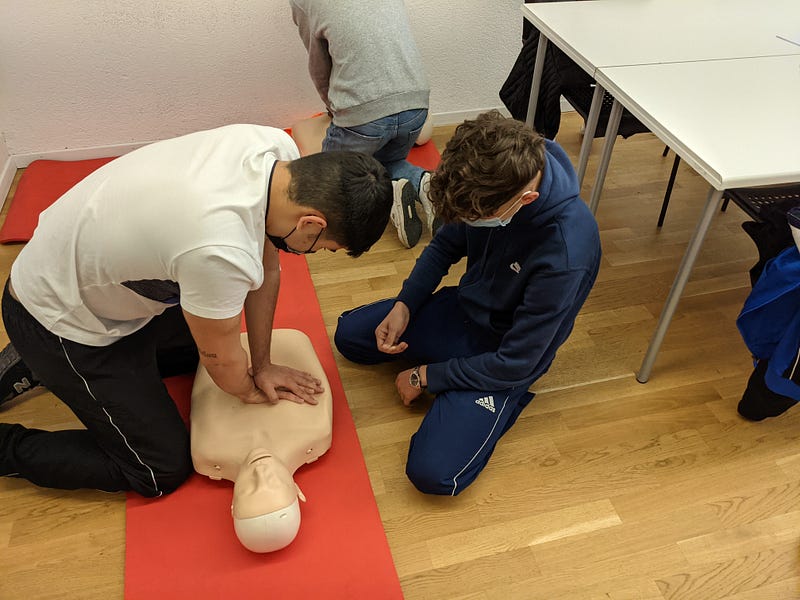
First aid training is an essential skill that can save lives in emergency situations. It involves learning basic techniques and procedures to provide immediate care to a person who has been injured or is suddenly ill. This training can be applied in any setting, whether it be at home, at work, or in public places. In this article, we will discuss the importance of first aid training and its benefits.
The Importance of First Aid Training:
First aid training is essential for many reasons. One of the most critical reasons is that it can save lives. In an emergency situation, time is of the essence, and immediate action can make a significant difference in the outcome of the situation. Knowing how to provide basic first aid can help stabilize a person’s condition until medical professionals arrive on the scene.
Another reason first aid training is crucial is that it can reduce the severity of an injury or illness. Properly administered first aid can prevent an injury from getting worse or stop a condition from deteriorating. This can help the person recover more quickly and with fewer complications.
First aid training can also help reduce the risk of accidents and injuries. When people are trained in basic first aid, they are more aware of potential hazards and can take steps to prevent accidents from occurring. They can also respond quickly if an accident does occur, reducing the risk of serious injury or death.
Benefits of First Aid Training:
First aid training offers numerous benefits to both individuals and society as a whole. Some of these benefits include:
1. Increased safety: First aid training can help create a safer environment for everyone. When people are trained in basic first aid, they are better able to recognize and respond to potential hazards, reducing the risk of accidents and injuries.
2. Improved confidence: Knowing how to administer basic first aid can increase an individual’s confidence in their ability to handle emergency situations. This can lead to a sense of empowerment and a greater willingness to take action in the event of an emergency.
3. Better teamwork: First aid training often involves working in groups and practicing communication and cooperation skills. These skills can translate to other areas of life, such as the workplace or social situations.
4. Reduced medical costs: Properly administered first aid can help prevent minor injuries from becoming more serious, reducing the need for expensive medical interventions. This can help lower healthcare costs for individuals and society as a whole.
5. Increased employability: First aid training is often a requirement for certain jobs, such as those in healthcare or emergency services. Having this training can increase an individual’s chances of being hired for these types of positions.
Types of First Aid Training:
There are several types of first aid training available, each tailored to specific audiences and situations. Some of the most common types include:
1. Basic first aid: This type of training covers the fundamental skills necessary to provide immediate care in emergency situations. Topics typically include assessing the situation, performing CPR, treating wounds, and responding to common medical emergencies.
2. CPR training: CPR, or cardiopulmonary resuscitation, is a life-saving technique used to restore breathing and circulation to someone who has experienced cardiac arrest. CPR training teaches individuals how to recognize and respond to cardiac arrest and how to perform CPR effectively.
3. Wilderness first aid: This type of training is designed for individuals who may be traveling or working in remote or outdoor environments. It covers topics such as how to treat injuries and illnesses that may occur in the wilderness, such as snake bites, hypothermia, and dehydration.
4. Pediatric first aid: Pediatric first aid training is geared towards individuals who work with children, such as teachers, childcare providers, and parents. It covers topics such as responding to choking, administering medication, and treating common childhood injuries.
. It is important for individuals to understand the importance of first aid training and the benefits it offers. The ability to provide immediate care can save lives, reduce the severity of injuries and illnesses, and prevent accidents from occurring.
There are many different types of first aid training available, each designed to meet the specific needs of different audiences and situations. Basic first aid training covers the fundamental skills necessary to respond to emergency situations, while other types of training, such as CPR training, wilderness first aid, and pediatric first aid, provide more specialized instruction.
Overall, first aid training is an investment in personal safety and the safety of others. It offers numerous benefits to individuals and society as a whole, including increased safety, improved confidence, better teamwork, reduced medical costs, and increased employability. By learning basic first aid skills, individuals can be better prepared to respond to emergencies and potentially save lives.
It is also worth noting that first aid training is not just for medical professionals or those working in emergency services. Anyone can benefit from learning basic first aid skills. Whether you are a parent, teacher, or employee, knowing how to administer CPR or treat a wound can make a significant difference in an emergency situation.
Furthermore, first aid training is not a one-time event. It is important to refresh and update your knowledge regularly to ensure that you are up-to-date with the latest techniques and procedures. By staying current with your training, you can be better prepared to respond to emergencies and potentially save lives.
Another benefit of first aid training is that it can promote a culture of safety. When individuals are trained in basic first aid, they are more likely to take safety seriously and encourage others to do the same. This can help create a safer environment for everyone, whether it be at home, at work, or in public places.
In addition, first aid training can also help individuals develop important life skills, such as critical thinking, problem-solving, and communication. These skills can be useful in other areas of life, such as the workplace or personal relationships.
In conclusion, first aid training is an essential skill that offers numerous benefits to individuals and society as a whole. It can save lives, reduce the severity of injuries and illnesses, and promote a culture of safety. Whether you are interested in basic first aid, CPR, wilderness first aid, or pediatric first aid, there is a training program available to meet your needs. By investing in first aid training, you can be better prepared to respond to emergencies and potentially save lives.
Navigation tools
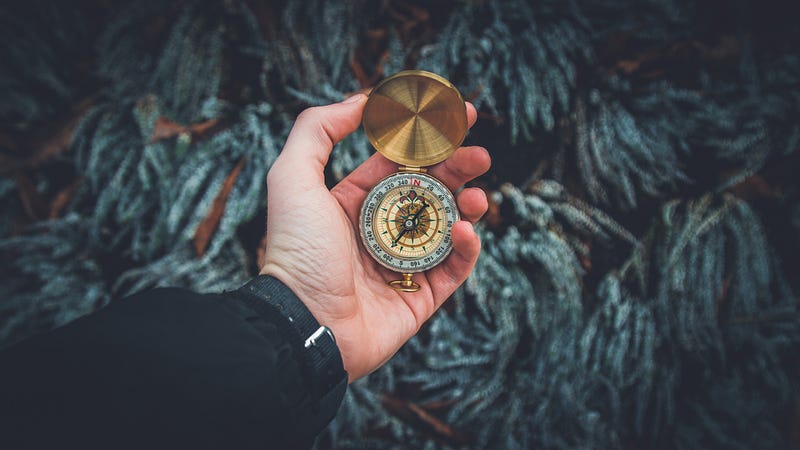
Navigation is the process of determining one’s location, orientation, and movement from one place to another. Navigation tools help individuals to determine their position on the earth and guide them to their desired location. Over the years, the development of technology has led to the creation of various navigation tools that have revolutionized the way we navigate. In this article, we will explore some of the most popular navigation tools that are widely used today.
1. Maps Maps are one of the oldest navigation tools and have been in use for centuries. A map is a two-dimensional representation of the earth’s surface, and it shows the different features of the land such as mountains, rivers, and cities. Maps can be used to determine the distance between two points, the direction of travel, and the terrain of the area. With the advent of digital technology, maps have become more accessible and can be easily accessed through mobile devices and computers.
2. Compass A compass is a navigation tool that uses the earth’s magnetic field to determine direction. It consists of a magnetized needle that aligns itself with the earth’s magnetic field, and it always points towards the magnetic north pole. The compass is an essential tool for outdoor enthusiasts, hikers, and sailors, as it helps them to navigate through unknown terrain.
3. Global Positioning System (GPS) The GPS is a satellite-based navigation system that uses a network of satellites to determine one’s location on the earth. The GPS receiver receives signals from the satellites and uses them to calculate the user’s position. The GPS is widely used in navigation, aviation, and maritime industries, and it has revolutionized the way we navigate. The GPS has made it possible to navigate through unknown territories with accuracy and ease.
4. Sextant A sextant is an instrument that is used to determine the angle between two objects. It is commonly used in navigation to determine the altitude of the sun or the stars above the horizon. The sextant is an essential tool for sailors who navigate through the open sea, as it helps them to determine their position accurately.
5. Altimeter An altimeter is a navigation tool that is used to measure altitude. It uses barometric pressure to determine the altitude of the user. The altimeter is commonly used by hikers, climbers, and pilots to determine their altitude above sea level.
6. Radar Radar is a navigation tool that uses radio waves to determine the location and distance of objects. It is commonly used in aviation and maritime industries to detect other planes or ships in the area. Radar is also used in weather forecasting to detect and track storms.
7. Sonar Sonar is a navigation tool that uses sound waves to determine the location and distance of objects. It is commonly used in the maritime industry to detect the depth of the water and to locate underwater objects such as rocks and shipwrecks.
8. Electronic Chart Display and Information System (ECDIS) ECDIS is an electronic navigational chart that displays the ship’s position and movement on a computer screen. It provides real-time information about the ship’s location, speed, and direction, and it helps to prevent collisions with other ships. ECDIS is widely used in the maritime industry, and it has revolutionized the way ships navigate through the sea.
9. Inertial Navigation System (INS) An Inertial Navigation System (INS) is a navigation tool that uses accelerometers and gyroscopes to determine the position, orientation, and velocity of a moving object. It measures the changes in motion and calculates the position of the object relative to its initial position. The INS is commonly used in aircraft, missiles, and submarines, where GPS signals may be jammed or unavailable.
10. Electronic Distance Measurement (EDM) Electronic Distance Measurement (EDM) is a surveying technique that uses electromagnetic waves to determine the distance between two points. It is commonly used in construction and engineering projects to measure distances accurately. The EDM can be used to measure distances up to several kilometers with high accuracy.
11. Automatic Direction Finder (ADF) An Automatic Direction Finder (ADF) is a navigation tool that is used in aviation to determine the direction of an aircraft relative to a radio signal. The ADF receives a radio signal from a ground station and uses it to determine the direction of the aircraft relative to the station. The ADF is commonly used in navigation when GPS signals are unavailable or unreliable.
12. LORAN (Long Range Navigation) LORAN is a navigation system that uses radio signals to determine the location of a moving object. It was developed during World War II and was widely used in navigation until the advent of GPS. LORAN works by receiving signals from ground-based transmitters and using the time difference between the signals to calculate the position of the object.
13. Electronic Navigation Charts (ENC) Electronic Navigation Charts (ENC) are digital charts that are used in navigation to display information about the depth of water, location of hazards, and other navigational data. ENC is commonly used in the maritime industry and is displayed on an ECDIS screen.
14. Celestial Navigation Celestial Navigation is a navigation technique that uses the position of celestial bodies such as stars, planets, and the sun to determine the position of a moving object. Celestial Navigation was widely used in navigation before the development of GPS and other modern navigation tools. It requires a high degree of skill and knowledge to use effectively.
In conclusion, navigation tools have evolved significantly over the years, from traditional tools such as maps and compasses to modern tools such as GPS and INS. These tools have made navigation more accurate, efficient, and safe. The development of technology has also led to the creation of new navigation tools such as EDM, ADF, LORAN, ENC, and Celestial Navigation. These tools have enabled us to navigate through unknown territories with ease and have made our lives safer and more efficient. The future of navigation tools looks promising, with the development of new technologies such as Artificial Intelligence, Machine Learning, and Augmented Reality, which will further enhance the accuracy and efficiency of navigation tools.
Tactical gear
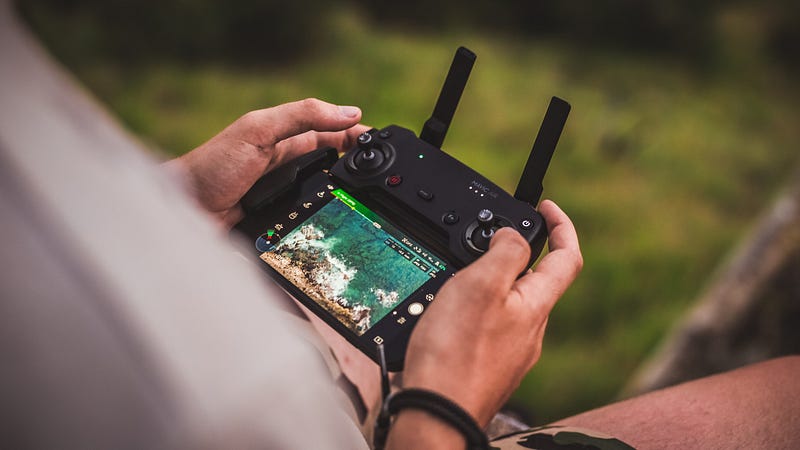
Tactical gear is a term that is used to describe equipment and accessories that are designed to enhance the performance of military, law enforcement, and other tactical professionals. These individuals need specialized equipment to ensure that they can effectively carry out their duties and stay safe while doing so. Tactical gear includes everything from clothing, footwear, backpacks, and body armor, to weapons, optics, and communication equipment. In this article, we will explore the importance of tactical gear and some of the most common types of gear used by tactical professionals.
The Importance of Tactical Gear
Tactical gear is designed to provide tactical professionals with the tools they need to complete their tasks and stay safe while doing so. These individuals face a variety of challenges in their line of work, including harsh environments, dangerous situations, and unpredictable circumstances. Having the right equipment can mean the difference between success and failure, and even life and death.
One of the main advantages of tactical gear is that it is designed to be durable and reliable. Tactical professionals need gear that can withstand extreme weather conditions, rough terrain, and intense physical activity. Tactical gear is made from high-quality materials that are designed to last, which means that tactical professionals can rely on their gear to perform when they need it most.
Another advantage of tactical gear is that it is designed to be functional. Tactical professionals need gear that is easy to use and can be quickly accessed when needed. For example, a tactical vest with multiple pockets and pouches can help a law enforcement officer quickly access their radio, flashlight, or other essential equipment. Tactical boots with good traction can help military personnel navigate uneven terrain and stay stable during high-intensity activities.
Types of Tactical Gear
1. Clothing: Tactical clothing is designed to be durable, functional, and comfortable. Tactical professionals need clothing that can withstand harsh environments, protect them from the elements, and allow for a full range of motion. Tactical clothing includes items such as tactical pants, shirts, jackets, and hats.
2. Footwear: Tactical footwear is designed to provide the necessary support, traction, and protection for tactical professionals. Tactical boots are made with rugged materials and feature non-slip soles, ankle support, and sometimes waterproofing. These boots are designed to keep the wearer stable and comfortable during intense physical activity.
3. Backpacks: Tactical backpacks are designed to provide ample storage for equipment and supplies while also being comfortable to wear for extended periods of time. These backpacks often have multiple compartments and pockets, as well as MOLLE webbing that allows for the attachment of additional pouches and accessories.
4. Body Armor: Body armor is designed to protect the wearer from projectiles and other types of impact. Tactical professionals often wear body armor to protect themselves from gunfire, shrapnel, or other types of projectiles. Body armor is made from various materials such as Kevlar, ceramic plates, and polyethylene.
5. Weapons: Tactical professionals use a variety of weapons, including firearms, knives, and batons. These weapons are designed to be reliable and effective in a variety of situations. Tactical firearms often have features such as adjustable stocks, rails for mounting accessories, and interchangeable magazines.
6. Optics: Optics such as scopes, red dot sights, and night vision devices are essential for tactical professionals who need to accurately identify targets and engage them from a distance. These devices can also help tactical professionals operate effectively in low-light conditions.
7. Communication Equipment: Communication equipment such as radios and headsets are essential for tactical professionals who need to communicate with each other during operations. These devices are designed to be durable, reliable, and provide clear communication in even the harshest environments.
8. Medical Equipment: Tactical professionals need to be prepared for medical emergencies. Medical equipment such as tourniquets, hemostatic agents, and trauma kits are essential for treating injuries and saving lives in the field. Tactical medics often carry specialized medical equipment such as chest seals, decompression needles, and airway management tools.
9. Gloves: Tactical gloves are designed to protect the hands of tactical professionals from cuts, abrasions, and other types of injuries. These gloves often feature reinforced padding and grip, allowing for better dexterity and control of weapons and equipment.
10. Holsters and Pouches: Holsters and pouches are essential for tactical professionals who need to carry their weapons and equipment securely and conveniently. Holsters are designed to securely hold firearms, while pouches can hold magazines, flashlights, and other essential equipment.
Choosing the Right Tactical Gear
Choosing the right tactical gear can be a daunting task, especially for those who are new to the field. It’s important to choose gear that is durable, functional, and fits well. It’s also important to consider the specific needs of your job, as different tactical professionals may require different types of gear.
When choosing tactical gear, it’s important to consider factors such as weight, mobility, and comfort. Tactical professionals often need to carry a lot of equipment, so it’s important to choose gear that is lightweight and doesn’t impede movement. Additionally, gear that is uncomfortable can cause distractions and reduce performance, so it’s important to choose gear that is comfortable and fits well.
Another important consideration when choosing tactical gear is quality. High-quality gear is essential for tactical professionals, as it needs to withstand intense physical activity and harsh environments. It’s important to choose gear that is made from high-quality materials and has been tested to ensure its durability and reliability.
Choosing the right tactical gear can be a challenging task, but it’s important to consider factors such as quality, comfort, and functionality. By choosing high-quality gear that meets your specific needs, you can ensure that you are prepared for any situation that may arise.
In addition to the factors mentioned above, it’s also important to consider the cost when choosing tactical gear. Tactical gear can be expensive, and it’s important to choose gear that fits within your budget. However, it’s important to keep in mind that high-quality gear is an investment in your safety and effectiveness on the job, so it’s often worth the extra cost.
Another important factor to consider when choosing tactical gear is the level of customization available. Many tactical gear manufacturers offer customization options, allowing you to tailor your gear to your specific needs and preferences. This can include custom colors, patches, and even modifications to gear to fit your body type or specific requirements.
It’s also important to consider the level of protection offered by tactical gear. For example, body armor is a critical piece of tactical gear for law enforcement and military personnel, and it’s important to choose armor that provides the necessary protection against ballistic threats. Similarly, helmets and eye protection are essential for protecting the head and eyes from impacts and projectiles.
Finally, it’s important to consider the level of training required to effectively use tactical gear. While many types of tactical gear are relatively easy to use, others require specialized training and certification. For example, using certain types of weapons or communication equipment may require specialized training to ensure that they are used safely and effectively.
In conclusion, tactical gear is a critical component of the tools and equipment necessary for military, law enforcement, and other tactical professionals to carry out their duties effectively and safely. When choosing tactical gear, it’s important to consider factors such as quality, cost, customization options, level of protection, and required training. By choosing high-quality, functional gear that meets your specific needs, you can ensure that you are prepared for any situation that may arise on the job.
Homesteading
Homesteading is a lifestyle choice that has become increasingly popular in recent years. It involves living off the land and becoming self-sufficient, relying on one’s own skills and resources rather than on the government or other external sources. Homesteaders often grow their own food, raise animals for meat, and generate their own power through renewable sources such as solar panels or wind turbines.
Homesteading has a long history in the United States, dating back to the Homestead Act of 1862, which provided 160 acres of land to any person who was willing to live on and improve the land for at least five years. This act encouraged many people to move west and start new lives as homesteaders. While the
Homestead Act is no longer in effect, the spirit of homesteading lives on today.
There are many benefits to homesteading. First and foremost, it allows people to become more self-sufficient and less reliant on outside sources for their basic needs. This can be empowering and liberating, as people are no longer subject to the whims of the market or government policies.
Homesteading also promotes sustainability and environmental stewardship, as it encourages people to live in harmony with the natural world and to reduce their carbon footprint. Additionally, homesteading can be a source of income, as homesteaders can sell their excess produce, meat, and other goods to local markets or online.
However, homesteading is not for everyone. It requires a significant investment of time, money, and effort. Homesteaders must be willing to learn new skills, such as gardening, animal husbandry, and carpentry. They must also be prepared to deal with the challenges that come with living off the land, such as extreme weather, pests, and disease. Homesteading can also be isolating, as homesteaders often live in rural areas away from cities and towns.
One of the key aspects of homesteading is growing one’s own food. Homesteaders typically have gardens where they grow a variety of fruits and vegetables, as well as herbs and spices. They may also raise livestock, such as chickens, cows, pigs, and goats, for meat, milk, and eggs. In addition, homesteaders may hunt and fish for their food, or forage for wild edibles such as mushrooms and berries.
Another important aspect of homesteading is generating one’s own power. Homesteaders often use renewable energy sources such as solar panels, wind turbines, and hydroelectric generators to power their homes and farms. They may also use wood stoves or pellet stoves for heating and cooking.
Homesteaders also tend to be frugal and resourceful, making use of what they have and minimizing waste. They may compost their food scraps and yard waste, and reuse or repurpose items that others would throw away. This not only saves money but also reduces their impact on the environment.
While homesteading can be challenging, it can also be immensely rewarding. Homesteaders often report feeling more connected to the land and to their food, as well as to their communities. They may also experience a sense of satisfaction and pride in being able to provide for themselves and their families.
If you are considering homesteading, there are a few things to keep in mind. First, start small and build up gradually. It’s important to learn as you go and to avoid taking on too much too soon. Second, connect with other homesteaders in your area or online. They can provide valuable advice and support. Finally, be prepared for setbacks and challenges. Homesteading is not always easy, but it can be a fulfilling and enriching way of life.
It has a long history in the United States, dating back to the Homestead Act of 1862. Homesteading promotes sustainability, self-reliance, and environmental stewardship, and can also be a source of income. Homesteaders typically grow their own food, raise livestock, and generate their own power through renewable sources.
Homesteading requires a significant investment of time, money, and effort, and homesteaders must be willing to learn new skills and deal with the challenges that come with living off the land. However, the rewards can be immense, including a sense of connection to the land, food, and community, as well as satisfaction in providing for oneself and one’s family.
If you are interested in homesteading, there are a few things to consider. First, think about why you want to homestead and what you hope to achieve. Is it for sustainability, self-reliance, or a desire to live closer to nature? Next, assess your skills and resources. What do you already know how to do, and what will you need to learn? Do you have access to land, water, and other resources you will need to live off the land? Finally, start small and build up gradually. Homesteading can be overwhelming if you try to do too much too soon.
In addition, it’s important to connect with other homesteaders. Homesteading communities exist both online and in person, and can provide valuable advice, support, and inspiration. Joining a local homesteading group or attending a homesteading workshop can be a great way to meet like-minded people and learn new skills.
In terms of skills, there are a few key ones that are important for homesteaders to learn. These include gardening, animal husbandry, carpentry, and food preservation. Gardening is essential for growing fruits, vegetables, herbs, and spices, and can be done in a variety of ways, including raised beds, container gardens, and traditional rows. Animal husbandry involves caring for livestock, including feeding, watering, and protecting them from predators. Carpentry is important for building structures such as chicken coops, barns, and homes. Food preservation techniques such as canning, dehydrating, and fermenting are also important for preserving excess produce and meat for later use.
In terms of resources, access to land is essential for homesteading. While owning land is ideal, it’s not always necessary. Homesteaders can rent or lease land, or even grow food in their own yards or on community plots. Water is also essential, whether from a well, a creek, or rainwater harvesting. Finally, access to tools and equipment such as shovels, hoes, tractors, and chainsaws is important for getting work done efficiently.
One important aspect of homesteading is the focus on sustainability and environmental stewardship. Homesteaders often use organic and regenerative farming practices to promote healthy soil, water, and air. They also prioritize renewable energy sources, such as solar panels or wind turbines, to reduce their reliance on nonrenewable resources like fossil fuels.
Another benefit of homesteading is the ability to provide for oneself and one’s family. By growing their own food and raising their own livestock, homesteaders can reduce their reliance on grocery stores and other sources of food. This can also save money in the long run, as homesteaders can produce their own food at a lower cost than buying it from a store.
Homesteading can also be a source of income. Homesteaders can sell their excess produce, eggs, meat, or other products at local farmers’ markets, to restaurants, or through online channels. This can provide a source of income for the homesteader, as well as support the local economy and provide healthy, sustainable food for others.
In addition, homesteading can be a way to reconnect with nature and the natural world. Many homesteaders find that living closer to the land helps them develop a deeper appreciation for the natural world and a sense of responsibility for protecting it. Homesteading can also provide a sense of peace and tranquility, as well as a respite from the hustle and bustle of modern life.
One challenge of homesteading is the amount of work and time it requires. Homesteaders must be willing to devote significant time and energy to caring for their land, animals, and crops. This can be particularly challenging for those who have full-time jobs or other responsibilities. However, many homesteaders find that the work is fulfilling and rewarding, and that the benefits of homesteading far outweigh the challenges.
Another challenge is the learning curve involved in homesteading. Homesteaders must be willing to learn new skills and adapt to changing circumstances. For example, weather patterns or crop diseases can have a significant impact on a homesteader’s ability to produce food. Homesteaders must be prepared to adjust their plans and learn new techniques as needed.
Overall, homesteading is a lifestyle choice that requires commitment, dedication, and a willingness to learn and adapt. It offers many rewards, including sustainability, self-reliance, and a connection to the natural world. While it may not be for everyone, those who are drawn to homesteading often find it to be a deeply fulfilling and enriching way of life.
In conclusion, homesteading is a lifestyle choice that offers many rewards, including self-reliance, sustainability, and a sense of connection to the land and community. However, it requires a significant investment of time, money, and effort, and homesteaders must be willing to learn new skills and deal with challenges. If you are interested in homesteading, start small, connect with other homesteaders, and be prepared to learn and grow as you go. With determination and hard work, homesteading can be a fulfilling and enriching way of life.
Emergency communication

Emergency communication is an essential aspect of modern society, enabling people to access help and support during times of crisis. Whether it’s a natural disaster, a medical emergency, or an act of violence, clear and effective communication can mean the difference between life and death.
In this article, we’ll take a closer look at emergency communication, including why it’s so important, the challenges that can arise during emergencies, and some of the technologies and strategies that can help ensure effective communication.
Why Emergency Communication is Important
During an emergency, communication is critical for a number of reasons. First and foremost, it allows people to access help and support when they need it most. Whether it’s calling 911 for medical assistance or reporting a fire to the fire department, effective communication can help emergency responders arrive quickly and take appropriate action.
Secondly, emergency communication can help people stay informed and make informed decisions. During a disaster, accurate information is often scarce, and rumors and misinformation can quickly spread. Clear and timely communication can help people stay informed about what’s happening, where to go for help, and what steps they should take to protect themselves and their loved ones.
Finally, emergency communication can help reduce the potential for panic and chaos. During a crisis, people may be scared and uncertain, and panic can quickly spread if people don’t know what’s happening or what they should do. Clear and effective communication can help people stay calm and focused, and reduce the risk of accidents or injuries.
Challenges in Emergency Communication
Despite the importance of emergency communication, there are a number of challenges that can arise during emergencies that can make effective communication difficult. Some of these challenges include:
* Overloaded communication networks: During a crisis, communication networks can quickly become overloaded, making it difficult or impossible to make calls or send messages.
* Power outages: Disasters such as hurricanes or earthquakes can often knock out power, making it difficult to access communication devices such as phones or radios.
* Language barriers: In areas with diverse populations, language barriers can make it difficult to communicate important information to everyone who needs it.
* Lack of coordination: During a crisis, different agencies and organizations may be involved in the response effort, and if they’re not properly coordinated, information can be delayed or conflicting.
Technologies and Strategies for Effective Emergency Communication
Despite the challenges, there are a number of technologies and strategies that can help ensure effective emergency communication. Some of these include:
* Emergency alert systems: Many communities have emergency alert systems that can send messages to residents via phone, text, email, or social media. These systems can be used to alert people to hazards such as severe weather, fires, or other emergencies, and provide instructions on what to do.
* Radio communication: In areas where communication networks may be unreliable, radios can be a valuable tool for emergency communication. In addition to traditional two-way radios, there are also satellite radios that can be used to communicate from remote or disaster-stricken areas.
* Multilingual communication: In areas with diverse populations, it’s important to ensure that emergency information is communicated in multiple languages to ensure that everyone can access the information they need. This can involve using translators, providing translated materials, or partnering with community organizations to help spread the word.
* Coordination and planning: Effective emergency communication requires coordination and planning among different agencies and organizations involved in the response effort. This can involve setting up emergency communication protocols, conducting regular training exercises, and establishing clear lines of communication among different organizations.
However, it’s important to remember that emergency communication isn’t just about the technology or tools that are used. It’s also about the people involved and how they work together. During a crisis, it’s essential that different agencies and organizations involved in the response effort work together effectively and coordinate their communication efforts. This can involve sharing information, setting up communication protocols, and providing training to ensure that everyone knows what to do.
In addition, effective emergency communication also relies on community involvement. During a crisis, communities can play an important role in spreading information and helping each other out. This can involve setting up neighborhood watch groups, providing assistance to vulnerable populations, and working with community organizations to disseminate information.
Ultimately, effective emergency communication requires a combination of technology, planning, coordination, and community involvement. By working together and leveraging the tools and strategies available, we can help ensure that communication during emergencies is clear, timely, and effective.
Another important aspect of emergency communication is the use of social media. Social media platforms such as Twitter and Facebook have become an important tool for emergency communication, as they allow officials to quickly disseminate information to a wide audience. During a crisis, social media can be used to share updates on the situation, provide information on evacuation routes and shelters, and respond to questions and concerns from the public.
However, social media also presents some challenges, such as the spread of misinformation and the potential for panic-inducing messages to go viral. To address these challenges, it’s important to have trained social media managers who can monitor and respond to social media activity during a crisis. In addition, social media messaging should be clear, accurate, and timely, and officials should work to dispel rumors and provide accurate information as quickly as possible.
Another technology that can be used to support emergency communication is drones. Drones can be used to gather aerial footage of disaster zones, assess damage, and provide real-time information to emergency responders. They can also be used to deliver medical supplies, food, and other essential items to people in hard-to-reach areas.
However, like other technologies, drones also present some challenges, such as airspace regulations and privacy concerns. To address these challenges, it’s important to have clear guidelines and protocols in place for drone use during emergencies, as well as mechanisms for monitoring and regulating their use.
Finally, it’s worth noting that effective emergency communication is not just about responding to crises when they happen. It also involves taking proactive steps to prepare for emergencies and ensure that communication systems are in place and ready to go. This can involve conducting regular drills and exercises to test communication systems, providing training to emergency responders and community members, and investing in infrastructure and technology to support emergency communication.
Conclusion
Emergency communication is a critical component of any disaster response effort. Whether it’s alerting people to hazards, providing instructions on what to do, or ensuring that accurate information is disseminated, effective communication can help save lives and reduce the potential for panic and chaos. Despite the challenges that can arise during emergencies, there are a number of technologies and strategies that can be used to help ensure effective communication during crises. Emergency alert systems, radio communication, multilingual communication, and coordination and planning are all valuable tools that can be used to ensure that emergency communication is effective and timely.
Survival skills
Survival skills are the set of skills that one needs to stay alive and thrive in any challenging situation. These situations could range from natural disasters like floods, hurricanes, earthquakes, and wildfires to situations that require self-reliance in remote locations, such as camping or hiking in the wilderness. Being able to take care of oneself and survive during such situations is critical and can be the difference between life and death.
Here are some essential survival skills that everyone should know:
1. Shelter Building: In any survival situation, shelter is a top priority. It provides protection from the elements and can help keep your body temperature regulated. To build a shelter, one needs to look for natural materials such as branches, leaves, and grass. One can also use a tarp or a space blanket if available. Building a shelter can be a challenging task, but it is an essential survival skill that could save your life.
2. Fire Making: Fire is a critical survival tool that provides warmth, light, and can help purify water and cook food. To make a fire, one needs to have dry kindling and tinder, which can be found in nature or brought along. One can use a lighter or matches, but it is also essential to learn how to start a fire without them using natural fire-starting methods like friction or using a magnifying glass.
3. Water Procurement: Finding and purifying water is crucial in any survival situation. One can collect water from natural sources such as rivers, streams, and lakes, but it is essential to purify it before drinking. There are several ways to purify water, such as boiling, using water purification tablets, or using a water filter. In situations where water is scarce, one needs to learn how to collect dew or make a solar still to obtain water.
4. Navigation: Knowing how to navigate is crucial in any survival situation, especially if you are in an unfamiliar territory. One should know how to read a map and a compass or use the sun, stars, or landmarks to find their way. Learning basic orienteering skills like understanding topographic maps and using a GPS can also be helpful.
5. First Aid: In any survival situation, injuries are bound to happen, and knowing how to provide basic first aid can be lifesaving. One needs to learn how to treat common injuries such as cuts, burns, and sprains. Knowing how to make a splint or perform CPR can also be critical in an emergency.
6. Food Procurement: In a survival situation, finding food can be a challenge, and one needs to learn how to procure food from nature. One can learn how to fish, hunt, trap, and forage for wild edibles. However, it is essential to be familiar with the local wildlife and plant life to avoid eating poisonous plants or animals.
7. Mental Preparedness: Surviving in any challenging situation requires mental strength and resilience. One needs to be mentally prepared for the situation and stay calm and focused. Being optimistic and maintaining a positive attitude can also help keep one motivated and increase their chances of survival.
8. Self-Defense: In any survival situation, there is a risk of encountering dangerous animals or hostile people. Learning self-defense techniques can help protect yourself and others. One can learn martial arts, basic hand-to-hand combat, or how to use a firearm for protection.
9. Hygiene and Sanitation: Maintaining proper hygiene and sanitation is crucial for staying healthy in a survival situation. One needs to learn how to properly dispose of waste and how to clean and disinfect surfaces to prevent the spread of disease. It is also essential to keep oneself clean by bathing and washing hands regularly.
10. Communication: In some survival situations, communication with others can be critical. One needs to learn how to use a radio, signaling devices, or other communication tools to contact emergency services or other people. One should also know how to use basic Morse code or other signaling methods in case of an emergency.
11. Weather Forecasting: Understanding weather patterns can be critical in a survival situation, especially if you are in an area prone to severe weather conditions. One should learn how to read weather signs and forecast the weather using the sun, clouds, and wind patterns. This knowledge can help you prepare for any weather changes and stay safe.
12. Resource Management: In a survival situation, resources such as food, water, and fuel are scarce, and one needs to learn how to manage them efficiently. One should learn how to conserve resources, reuse items, and repurpose materials to extend their usefulness.
13. Knot Tying: Knots are useful for a variety of tasks, such as building shelters, tying up gear, and making traps. Learning a few essential knots like the bowline, square knot, and clove hitch can be useful in a survival situation.
14. Repair and Maintenance: In a survival situation, equipment and gear can break or wear out, and it is essential to know how to repair and maintain them. One should learn basic skills like sewing, patching, and sharpening tools to extend their life.
15. Natural Medicine: In a survival situation, medical supplies may be scarce, and knowing how to use natural remedies can be helpful. One can learn about wild herbs and plants that have medicinal properties and how to use them to treat common ailments like headaches, fever, and indigestion.
16. Hunting and Trapping: Hunting and trapping can provide a source of protein in a survival situation, but it is essential to know how to do it properly. One should learn about local wildlife, their habits, and how to set traps or make snares to catch them. It is also crucial to learn how to dress and prepare the animal for consumption.
17. Fishing: Fishing is another way to procure food in a survival situation, but it requires some knowledge and skill. One should learn about different types of fish, their habitats, and how to catch them using various methods like baiting, fly fishing, or spearfishing.
18. Self-Rescue: In some survival situations, help may not arrive for a long time, and one needs to learn how to self-rescue. This includes learning how to rappel, climb, and traverse difficult terrain to reach safety.
19. Improvised Tools: In a survival situation, one may not have access to proper tools and equipment, and improvisation is necessary. One should learn how to make simple tools and implements using natural materials like wood, bone, or stone.
20. Leadership and Teamwork: In a survival situation, leadership and teamwork skills are essential for staying organized, efficient, and motivated. One should learn how to delegate tasks, communicate effectively, and work together to achieve a common goal.
In conclusion, survival skills are numerous, and it is impossible to know them all. However, by learning and practicing a few essential skills, one can increase their chances of survival in any situation. One should also remember that survival is not just about physical skills but also mental strength, adaptability, and resilience. It is important to remain calm, think critically, and stay positive in the face of adversity.
Emergency shelter
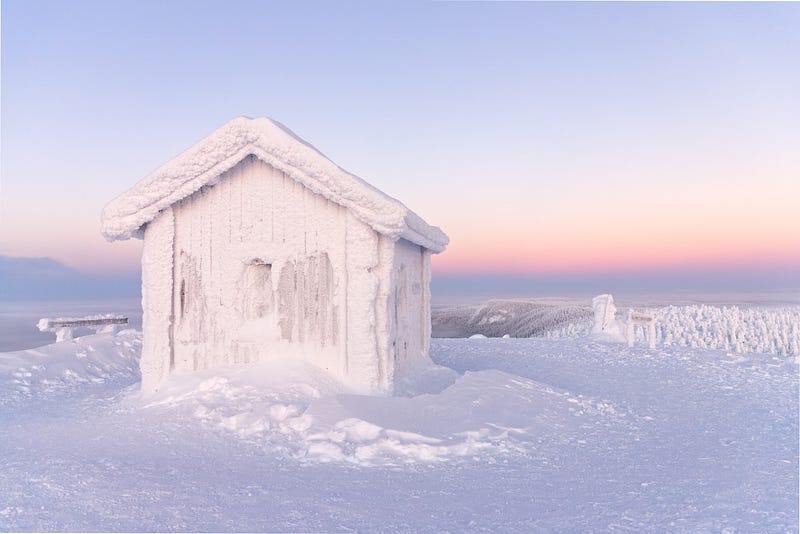
An emergency shelter is a temporary facility that provides accommodation and basic necessities for individuals or families who have been displaced due to a disaster or crisis. Emergency shelters can be set up in response to natural disasters such as hurricanes, earthquakes, floods, and wildfires, or in response to man-made crises such as wars, terrorist attacks, and civil unrest.
The primary purpose of emergency shelters is to provide a safe and secure environment for those in need of assistance. They offer a place to sleep, food, water, and other essential items such as blankets, hygiene kits, and medical supplies. Emergency shelters are also staffed by trained personnel who can provide emotional support, counseling, and other services to help people cope with the stress and trauma of the crisis.
The design and operation of emergency shelters can vary widely depending on the nature of the emergency and the resources available. Some emergency shelters are set up in pre-existing buildings such as schools, community centers, and churches, while others are set up in tents or temporary structures in open fields or parking lots. In some cases, emergency shelters may be located on military bases or other secure facilities to provide additional security and protection.
The success of an emergency shelter depends on many factors, including the availability of resources, the ability to quickly mobilize personnel and supplies, and the coordination and cooperation of local and state agencies. During a disaster or crisis, emergency shelters may be operated by a variety of organizations, including government agencies, non-profit organizations, and community groups.
One of the biggest challenges of emergency shelter operations is ensuring that they are able to meet the needs of all those who seek refuge. This can be particularly difficult in situations where there is a large influx of people in a short period of time. In such cases, emergency shelter personnel may need to quickly improvise solutions to meet the needs of those in need.
In addition to providing basic necessities, emergency shelters can also play an important role in helping people recover from the crisis. This may include providing access to job training, educational resources, and other services that can help people get back on their feet and rebuild their lives.
Another important aspect of emergency shelter operations is ensuring the safety and security of those who are staying there. This can include measures such as background checks for volunteers and staff, security patrols, and protocols for dealing with disruptive or violent behavior.
Emergency shelters can also be an important source of support for the broader community. They provide a central location for volunteers and donations, and can serve as a hub for information and resources about the crisis. In many cases, emergency shelters may also offer opportunities for community members to get involved in the relief efforts by volunteering their time or donating supplies.
Despite the challenges involved in setting up and operating emergency shelters, they remain an essential component of any disaster or crisis response plan. They offer a lifeline for those who have lost everything, and provide a beacon of hope and support in the darkest of times. As such, it is essential that emergency shelter operations are well-planned, well-staffed, and well-supported by the broader community. By working together, we can ensure that emergency shelters continue to play a vital role in helping people recover from disasters and crises, and that we are better prepared to respond to future emergencies.
Emergency shelters can also serve as a bridge between the immediate crisis and long-term recovery efforts. For example, emergency shelters may work with local housing authorities to connect displaced families with longer-term housing options, such as rental assistance or transitional housing. They may also work with local schools to help displaced children enroll in school and provide them with educational support.
In addition, emergency shelters can also help address the needs of vulnerable populations, such as the elderly, disabled, and those with special medical needs. They may provide specialized care and accommodations, such as medical equipment, wheelchair accessibility, or language interpreters, to ensure that all individuals have equal access to basic necessities and support services.
One key consideration in emergency shelter operations is ensuring that they are equipped to handle a variety of different scenarios. For example, emergency shelters may need to prepare for different types of disasters, such as hurricanes, tornadoes, floods, or earthquakes, and have plans in place to respond to each type of event.
In addition, emergency shelters may need to be equipped to handle different types of populations, including families with children, individuals with disabilities or special medical needs, and non-English speakers. They may need to provide a range of services and support, including mental health counseling, legal services, and financial assistance.
Finally, emergency shelters can also play an important role in building resilience and preparedness in the broader community. By providing education and training on disaster preparedness, emergency shelters can help individuals and families be better prepared to handle future emergencies. They can also help build community networks and partnerships, which can be invaluable during a crisis.
In conclusion, emergency shelters are a critical component of disaster and crisis response efforts. They provide a safe and secure environment for individuals and families who have been displaced by a disaster, and offer basic necessities and support services to help them cope with the immediate aftermath of the crisis. While emergency shelters can be challenging to set up and operate, they play an essential role in helping communities recover and rebuild after a disaster. By investing in emergency shelter operations and building partnerships and networks within the community, we can ensure that we are better prepared to handle future emergencies and support those in need.
Survival food
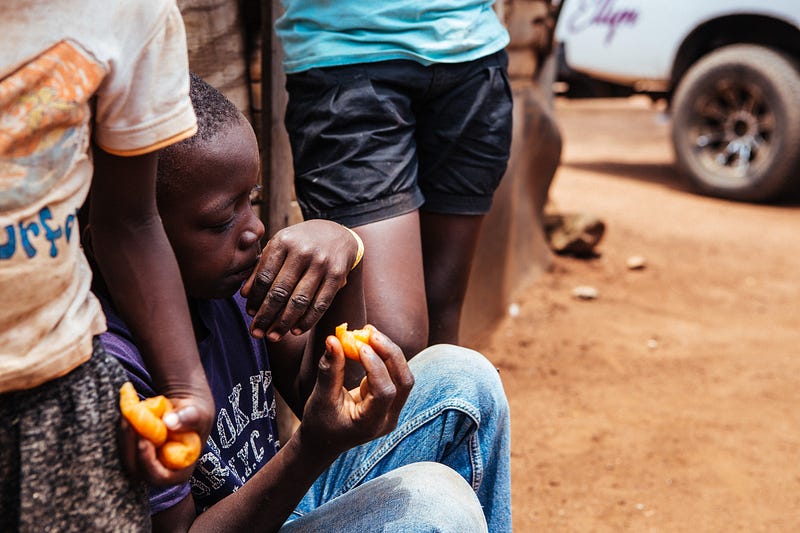
In today’s unpredictable world, it is essential to have a stockpile of survival food that can sustain you and your loved ones during an emergency or crisis. Natural disasters, economic instability, and other unforeseen circumstances can disrupt the food supply chain, making it difficult to access the food we need to survive. Having a supply of non-perishable survival food can provide peace of mind and ensure that you and your family have access to the nutrition you need during a crisis.
When it comes to selecting survival food, there are several factors to consider. First and foremost, you want to choose food that is shelf-stable and does not require refrigeration. Canned foods, dried goods, and freeze-dried foods are all good options. You also want to choose foods that are high in calories and nutrients to ensure that you have the energy you need to survive. Finally, it’s important to choose foods that you and your family will actually eat. There’s no point in stockpiling food that nobody likes or that requires cooking if you don’t have access to a stove or other cooking equipment.
Canned Foods .Canned foods are a popular choice for survival food because they have a long shelf life, are easy to store, and can be eaten straight out of the can if necessary. Canned meats like tuna, chicken, and spam are good sources of protein, while canned fruits and vegetables can provide much-needed vitamins and minerals. Canned soups, stews, and chili are also good options as they are filling and can be heated up quickly.
Dried Goods. Dried goods like beans, rice, and pasta are also good options for survival food. They are affordable, have a long shelf life, and are easy to store. However, they do require water and heat to cook, so it’s important to have a way to boil water if necessary. Dried fruits and nuts are also good options as they provide energy and nutrients without requiring refrigeration.
Freeze-Dried. Foods Freeze-dried foods have become increasingly popular in recent years as a convenient and lightweight option for survival food. Freeze-drying removes the moisture from the food, which extends its shelf life and makes it lightweight and easy to transport. Freeze-dried meals come in a variety of flavors and can be rehydrated with hot water in just a few minutes.
Emergency Rations. Emergency rations are designed to provide a high-calorie, nutrient-dense meal in a compact and easy-to-store package. They are often used by hikers and backpackers but are also a good option for survival food. Emergency rations can be eaten straight out of the package and come in a variety of flavors and formulations.
MREs MREs, or Meals Ready to Eat, are another popular option for survival food. They were originally developed for the military and are now available for civilian use. MREs come in a variety of menus and provide a complete meal that requires no preparation other than heating up the entree. MREs have a long shelf life and are designed to withstand extreme temperatures and conditions.
Choosing the Right Survival Food for Your Needs When selecting survival food, it’s important to consider your individual needs and circumstances. If you have a family with young children, you may want to choose foods that are familiar and easy to eat. If you have a medical condition or dietary restrictions, you may need to choose foods that meet your specific needs. If you live in an area that is prone to natural disasters, you may want to choose foods that can withstand extreme temperatures and conditions.
It’s also important to consider how much food you will need to stockpile. The general recommendation is to have a three-day supply of non-perishable food for each person in your household. However, if you live in an area that is prone to natural disasters or where it may be difficult to access food during an emergency, it may be a good idea to stockpile a larger supply of food. The Red Cross recommends having at least a two-week supply of food and water on hand in case of an emergency.
In addition to stockpiling survival food, it’s also important to rotate your supply regularly to ensure that the food is still safe to eat and has not expired. Canned foods can last for years, but they can still go bad over time. Be sure to check the expiration dates on all of your food and rotate your stock by using the oldest items first.
When storing survival food, it’s important to keep it in a cool, dry place away from sunlight and moisture. Exposure to heat and humidity can shorten the shelf life of your food and can also cause it to spoil. Consider using airtight containers or mylar bags to protect your food from the elements. it’s important to remember that survival food is just one part of a comprehensive emergency preparedness plan. In addition to food, you should also have a supply of water, medical supplies, and other essentials on hand in case of an emergency. Make sure that you have a plan in place for communicating with your loved ones in case of a disaster and that everyone in your household knows what to do in case of an emergency.
Another consideration when selecting survival food is the level of preparation required. In a crisis situation, it may not be possible to cook or heat up food, so it’s important to choose food that can be eaten cold or requires minimal preparation. Snack bars, trail mix, and jerky are good options for quick, no-cook meals.
It’s also important to consider the nutritional content of your survival food. In a crisis situation, your body will need more calories and nutrients than it normally would. Look for food that is high in protein, carbohydrates, and healthy fats. Avoid foods that are high in sugar or salt, as these can lead to dehydration and other health problems.
When selecting survival food, consider purchasing a variety of options to prevent food fatigue. Eating the same foods day after day can become tedious and can lead to a decreased appetite. Look for a variety of flavors and textures to keep things interesting.
One important consideration when selecting survival food is the potential for food allergies or intolerances. Be sure to check the ingredients list of all of your survival food to ensure that it does not contain any ingredients that could trigger an allergic reaction.
If you are unsure about what types of survival food to purchase, consider consulting with a professional. There are many companies that specialize in providing survival food and emergency supplies, and they can help you select the right options for your needs.
In addition to purchasing pre-packaged survival food, you can also consider growing and preserving your own food. If you have a garden, consider growing fruits and vegetables that can be preserved for long-term storage, such as tomatoes, peppers, and beans. You can also preserve food through canning, freezing, or dehydrating. These methods allow you to store food for long periods of time without refrigeration.
Ultimately, the key to selecting the right survival food is to consider your individual needs and circumstances. Take the time to evaluate your options and choose foods that will provide you with the nutrition and sustenance you need in an emergency situation. With the right preparation and planning, you can ensure that you and your loved ones are prepared for any crisis that may come your way.
In conclusion, having a stockpile of survival food can provide peace of mind and ensure that you and your loved ones have access to the nutrition you need during an emergency or crisis. When selecting survival food, choose non-perishable options that are high in calories and nutrients and that you and your family will actually eat. Rotate your stock regularly and store your food in a cool, dry place away from sunlight and moisture. Remember that survival food is just one part of a comprehensive emergency preparedness plan, so make sure that you have a plan in place for all aspects of emergency preparedness.
Water storage
Water is one of the most essential natural resources for human survival. However, access to clean and safe water is not always guaranteed, especially in areas that experience water scarcity. As such, storing water can help ensure a constant supply of water for various uses. In this article, we will discuss water storage and its importance.
Water storage refers to the process of storing water in tanks, reservoirs, or other containers for later use.
There are several reasons why water storage is crucial. First, water storage provides a backup supply of water in case of water shortages, droughts, or emergencies. For example, in areas prone to droughts, people can store water during the rainy season to use during the dry season.
Second, water storage can help improve water quality. By storing water, it is possible to treat and filter it to remove impurities, making it safe for drinking and other uses. This is especially important in areas where access to clean water is limited or non-existent.
Third, water storage is essential for agriculture. In farming, water storage is necessary to provide a constant supply of water for crops during dry seasons. It also helps farmers to regulate irrigation and water use.
Finally, water storage is critical for disaster preparedness. In areas prone to natural disasters such as hurricanes, floods, and earthquakes, water storage can help ensure a supply of safe drinking water for affected communities.
When it comes to water storage, there are various methods and technologies available. The most common methods of water storage include:
1. Rainwater harvesting: This is the process of collecting and storing rainwater for later use. Rainwater is collected from rooftops and other surfaces and stored in tanks or reservoirs.
2. Groundwater storage: This involves the construction of underground reservoirs or wells to store groundwater. Groundwater is pumped from the wells and stored for later use.
3. Surface water storage: This involves the construction of dams or reservoirs to store surface water such as rivers, lakes, or streams.
4. Aquifer storage and recovery: This involves the injection of treated water into underground aquifers for later recovery.
5. Small-scale water storage: This involves the use of household-level storage containers such as jerrycans, buckets, or water tanks to store water for personal use.
Each of these methods has its advantages and disadvantages. For example, rainwater harvesting is relatively easy to implement and can provide a source of water in areas with no access to piped water. However, it is dependent on rainfall patterns and may not be suitable in areas with low rainfall. Groundwater storage, on the other hand, can provide a constant supply of water, but it requires significant investment in infrastructure and maintenance.
In addition to choosing the appropriate water storage method, it is essential to consider the type of water storage container to use. The most common types of water storage containers include:
1. Plastic water tanks: These are the most common types of water storage containers. They are affordable, easy to install, and come in various sizes.
2. Concrete water tanks: These are more durable than plastic water tanks but are also more expensive to install.
3. Metal water tanks: These are ideal for large-scale water storage, but they can be prone to corrosion and require regular maintenance.
4. Bladder tanks: These are flexible water storage containers that can be installed in small spaces. They are easy to transport and install but may not be as durable as other types of water tanks.
When choosing a water storage container, it is important to consider factors such as cost, durability, size, and ease of installation.
Furthermore, proper maintenance of water storage facilities is crucial to ensure their durability and efficiency. This includes regular cleaning and disinfection of water tanks and reservoirs, inspection and repair of leaks and damages, and proper disposal of waste materials.
Apart from the benefits mentioned earlier, water storage also has significant economic and environmental advantages. In agriculture, water storage systems can help farmers optimize their water use and improve crop yields, resulting in increased income and food security. For industries that rely on water, such as mining and manufacturing, water storage can ensure a steady supply of water for their operations, reducing production costs and downtime.
Water storage also has significant environmental benefits. By storing water during the rainy season, we can reduce surface runoff and soil erosion, preventing soil degradation and loss of nutrients. In addition, water storage can help recharge groundwater reserves, maintaining natural ecosystems, and supporting biodiversity.
Moreover, water storage plays a crucial role in climate change adaptation. Climate change has led to more frequent and severe weather events, such as droughts, floods, and storms, affecting water availability and quality. By adopting water storage systems, communities can mitigate the impact of climate change on water resources, ensuring a reliable supply of water even during extreme weather conditions.
However, despite the benefits of water storage, there are also some challenges associated with it. For example, inadequate investment in water storage infrastructure and maintenance can result in the deterioration of the storage systems, reducing their efficiency and lifespan. In addition, water storage can also lead to the breeding of disease vectors such as mosquitoes if not managed properly.
To overcome these challenges, it is crucial to prioritize water storage as part of water management strategies. Governments, private sector organizations, and civil society can collaborate to invest in water storage infrastructure and promote its adoption among communities. Furthermore, proper regulation and monitoring of water storage systems can ensure their safety and effectiveness, minimizing health and environmental risks.
In conclusion, water storage is essential for ensuring a constant supply of clean and safe water for various uses. There are various methods and technologies available for water storage, including rainwater harvesting, groundwater storage, surface water storage, aquifer storage and recovery, and small-scale water storage. Each of these methods has its advantages and disadvantages, and the appropriate method to use depends on factors such as water availability, climate, and infrastructure.
In addition to choosing the appropriate water storage method, it is crucial to ensure that the stored water is safe for human consumption. Water storage containers should be made of safe and non-toxic materials, and the water should be regularly tested and treated to prevent contamination.
Off-grid living

Off-grid living refers to living independently of the main power grid, water supply, and sewage system. It is a lifestyle that relies on self-sufficiency and sustainability, where individuals or families generate their own electricity, collect rainwater or well water for daily use, and manage their waste disposal systems. The concept of off-grid living has gained popularity in recent years as people seek to reduce their carbon footprint, become more self-reliant, and disconnect from the stresses of modern society.
Off-grid living can take many forms. Some people choose to live in remote areas, such as forests or mountains, where they are completely disconnected from civilization. Others choose to live in more accessible locations, such as rural farms or small towns, where they can still have access to basic amenities like healthcare and education while being self-sufficient. Regardless of the location, off-grid living requires a significant investment of time and resources to set up and maintain.
One of the biggest challenges of off-grid living is generating electricity. Most off-grid homes use solar panels or wind turbines to generate electricity, which can be stored in batteries for use during the night or when there is no sun or wind. These systems require a significant initial investment but can pay off in the long run by reducing or eliminating the need for monthly utility bills. It is important to note that off-grid energy systems require careful planning and maintenance to ensure that they are reliable and efficient.
Another challenge of off-grid living is water management. Depending on the location, off-grid homes may rely on rainwater collection or well water for their daily needs. Rainwater collection involves installing gutters on the roof and directing the water to storage tanks for later use. Well water requires drilling a well and installing a pump to bring the water to the surface. Both systems require careful planning and maintenance to ensure that the water is safe for consumption and that there is enough supply to meet daily needs.
Waste management is also a crucial aspect of off-grid living. Without access to municipal sewage systems, off-grid homes must manage their waste through composting, septic systems, or other alternative methods. Composting involves turning organic waste into nutrient-rich soil for gardening.
Septic systems involve burying a large tank underground and allowing bacteria to break down waste before it is released into the soil. Both systems require careful management to ensure that they are functioning properly and not causing harm to the environment.
Despite the challenges, many people find that off-grid living offers a simpler, more sustainable way of life.
By reducing their reliance on external systems and resources, they can become more self-reliant and reduce their environmental impact. Off-grid living also offers a sense of freedom and independence that is difficult to achieve in more urbanized areas.
Off-grid living can also have economic benefits. By reducing or eliminating monthly utility bills, off-grid homes can save a significant amount of money over time. Additionally, off-grid homes may have the opportunity to generate income through sustainable agriculture, forestry, or other land-based activities.
One of the most significant benefits of off-grid living is the ability to reduce one’s carbon footprint. By generating their own electricity, off-grid homes can reduce their reliance on fossil fuels and contribute to a more sustainable future. Off-grid homes can also incorporate sustainable practices such as composting, organic gardening, and using alternative energy sources like biomass or hydro power.
Off-grid living can also offer a greater sense of community and connection to the land. Living in more remote areas can lead to closer relationships with neighbors and a greater appreciation for the natural environment. Off-grid communities can work together to share resources and support each other in maintaining self-sufficiency.
However, it is important to note that off-grid living is not without its challenges. The initial investment for setting up an off-grid home can be significant, and ongoing maintenance costs can also add up over time.
Off-grid living also requires a significant investment of time, as many tasks that are taken for granted in urban areas, such as heating or cooling the home, must be done manually. Off-grid living may also be less convenient in terms of access to healthcare, education, and other amenities, particularly for those living in more remote areas.
Another important consideration for those interested in off-grid living is legal and regulatory requirements. Zoning and building codes may restrict certain types of off-grid homes or alternative energy systems, making it difficult to obtain the necessary permits. Additionally, some municipalities may require regular inspections or assessments of off-grid homes to ensure compliance with health and safety regulations.
Despite these challenges, off-grid living continues to attract a growing number of people seeking a simpler, more sustainable way of life. With advances in technology and growing awareness of the environmental impacts of modern lifestyles, off-grid living is becoming an increasingly viable option for those looking to reduce their carbon footprint and live more self-sufficiently.
Off-grid living requires a significant commitment of time, resources, and energy, but for those who are willing to make the investment, it can offer a unique and rewarding way of life. With careful planning and a willingness to embrace sustainable practices, off-grid living can provide a sense of freedom, independence, and connection to the natural world that is difficult to achieve in urban areas.
In conclusion, off-grid living offers a unique lifestyle that requires significant investment and planning but can provide a simpler, more sustainable way of life. It is important to carefully consider the challenges and benefits before embarking on an off-grid lifestyle, as it is not a lifestyle that is suitable for everyone. However, for those who are willing to put in the effort, off-grid living can be a rewarding and fulfilling way of life.
Fire starting
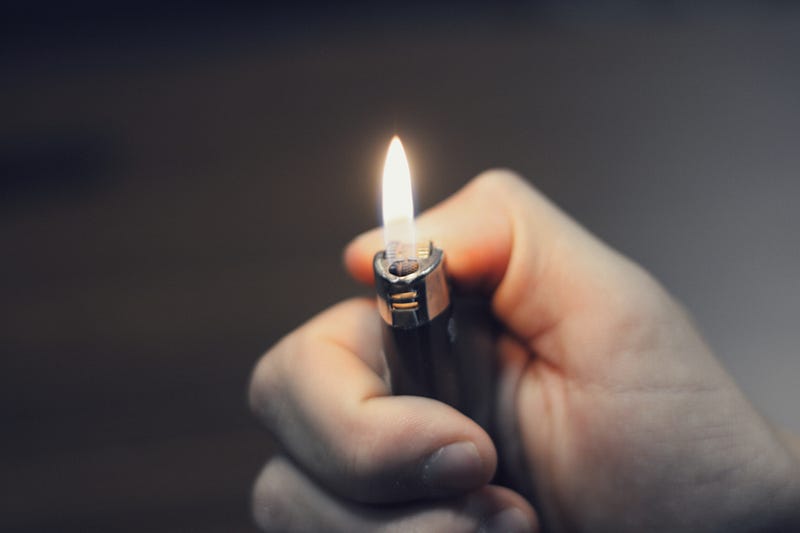
Fire is one of the most essential elements when it comes to outdoor survival. It provides warmth, light, and can even be used to cook food and boil water. Starting a fire in the wilderness can be a challenging task, especially if you don’t have the right tools and knowledge. In this article, we will discuss different methods of fire starting that can be used in various situations.
Before starting a fire, it’s important to consider the location and the weather conditions. It’s best to choose a spot that’s sheltered from the wind and away from any flammable materials. Always make sure to follow the fire safety rules and regulations in the area you are camping in.
1. Matches
Matches are one of the easiest and most common methods of starting a fire. Waterproof matches are a good choice for outdoor activities, as they are less likely to get wet and fail to ignite. Strike anywhere matches are also a good choice because they can be used on any surface. Always make sure to carry extra matches in a waterproof container, and never leave a fire unattended.
2. Lighter
A lighter is another easy and convenient method of starting a fire. They are lightweight and can be carried in your pocket or backpack. Like matches, it’s important to carry extra lighters in case one fails or runs out of fuel. Keep in mind that lighters can be affected by cold temperatures and altitude, so it’s best to keep them warm and protected.
3. Ferrocerium Rod
A Ferrocerium rod, also known as a fire starter, is a popular method of starting a fire in outdoor survival situations. It consists of a metal rod that produces sparks when struck with a piece of metal or a scraper. Ferrocerium rods are lightweight and durable, making them a good choice for backpackers and hikers. They can also be used in wet and windy conditions.
4. Magnesium Fire Starter
A magnesium fire starter is another popular method of starting a fire in outdoor survival situations. It consists of a magnesium rod and a scraper. To use it, you shave off some magnesium with the scraper and then strike the rod with the same tool. This creates a spark that ignites the magnesium shavings, which then light the tinder. Magnesium fire starters are lightweight, waterproof, and can be used in wet and windy conditions.
5. Fire Plow
The fire plow is a primitive fire starting method that involves rubbing a wooden stick against a wooden board to create friction and generate heat. The heat generated from the friction ignites the sawdust or tinder on the board, and a fire is started. The fire plow requires a lot of practice and skill, and it’s not recommended for beginners.
6. Bow Drill
The bow drill is another primitive fire starting method that involves using a wooden bow and spindle to create friction and generate heat. The bow is used to rotate the spindle, which is pressed against a wooden board to create friction. The heat generated from the friction ignites the sawdust or tinder on the board, and a fire is started. The bow drill requires a lot of practice and skill, and it’s not recommended for beginners.
7. Fire Piston
The fire piston is a modern fire starting device that uses air compression to ignite a piece of tinder. It consists of a tube with a piston inside it. The piston is pushed down quickly, compressing the air inside the tube and creating heat. This heat ignites a small piece of tinder that is placed at the end of the tube. Fire pistons are lightweight, compact, and easy to use.
8. Solar Power
In some situations, it’s possible to start a fire using the power of the sun. This method involves using a magnifying glass or a convex lens to focus the sun’s rays onto a piece of dry tinder. The concentrated heat from the sun’s rays will eventually ignite the tinder, starting a fire. This method requires direct sunlight, so it’s not a reliable method in cloudy or overcast conditions.
9. Chemical Fire Starters
Chemical fire starters are pre-made chemicals that are designed to help start a fire. They are usually in the form of a small puck or stick that can be ignited with a lighter or match. Once lit, they will burn for several minutes, providing enough heat to ignite the surrounding tinder. Chemical fire starters are lightweight, compact, and easy to use.
When starting a fire, it’s important to follow these safety guidelines:
* Always have a source of water nearby in case the fire gets out of control.
* Don’t start a fire under low hanging branches or near any flammable materials.
* Build the fire on a stable surface and make sure it’s contained within a fire ring or pit.
* Always extinguish the fire completely before leaving the site.
Aside from the different methods of starting a fire, there are also different types of fires that you can build depending on your needs. Here are some of the most common types of fires:
1. Teepee Fire
A teepee fire is one of the most basic and common types of fires. It’s easy to build and provides a lot of heat and light. To build a teepee fire, start by arranging small kindling in a teepee shape. Place some tinder in the center and light it. As the kindling catches fire, gradually add larger sticks until you have a stable fire.
2. Lean-to Fire
A lean-to fire is another common type of fire that’s easy to build. It’s good for windy conditions because the lean-to shape provides some protection from the wind. To build a lean-to fire, start by finding a sturdy log or rock and leaning some small sticks against it at a 45-degree angle. Place some tinder in front of the sticks and light it. As the sticks catch fire, gradually add larger sticks until you have a stable fire.
3. Star Fire
A star fire is a good choice for cooking because it provides a lot of heat in a circular pattern. To build a star fire, start by laying down some kindling in a star shape. Place some tinder in the center and light it. As the kindling catches fire, gradually add larger sticks until you have a stable fire.
4. Dakota Fire Pit
A Dakota fire pit is a good choice for windy conditions because it’s built below ground level. It also produces less smoke than a regular fire. To build a Dakota fire pit, dig a hole about 1 foot deep and 1 foot wide. Then, dig a smaller hole about 6 inches away from the first hole. This will be the air intake hole. Connect the two holes with a tunnel that’s about 6 inches wide. Place some tinder in the bottom of the pit and light it. As the fire starts, feed it with small sticks and gradually add larger sticks until you have a stable fire.
In addition to knowing how to start a fire and build different types of fires, it’s important to know how to maintain a fire. Here are some tips for maintaining a fire:
* Add wood gradually, starting with smaller sticks and working your way up to larger ones.
* Keep the fire contained within a fire ring or pit.
* Don’t leave the fire unattended.
* Keep a source of water nearby in case the fire gets out of control.
* Always extinguish the fire completely before leaving the site.
In conclusion, starting a fire is an essential skill for anyone who spends time in the wilderness. Knowing how to start a fire, build different types of fires, and maintain a fire safely can make the difference between a successful camping trip and a disaster. By following the safety guidelines and regulations in the area you are camping in, you can enjoy the warmth, light, and benefits of a fire while minimizing the risks.
Wilderness navigation
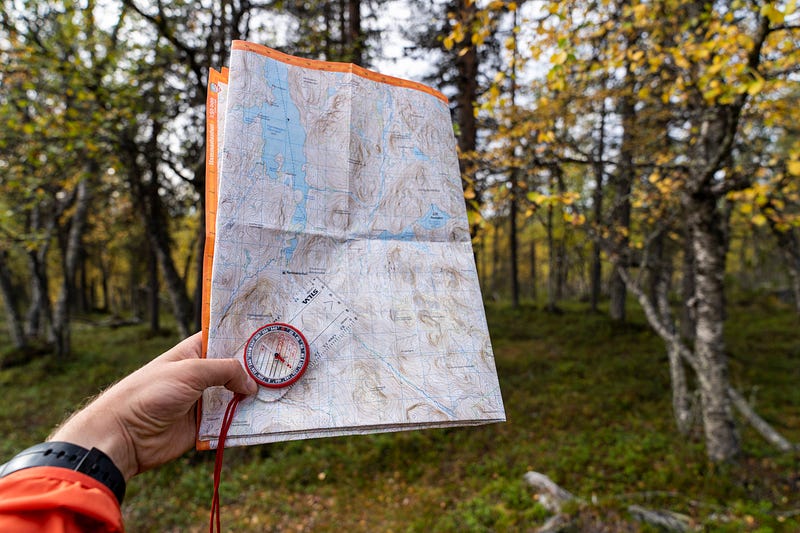
Wilderness navigation is the art of finding your way through natural environments using only your senses and a few tools. It is an essential skill for anyone who loves spending time in the great outdoors, whether you are a hiker, camper, or adventurer. Knowing how to navigate the wilderness safely and efficiently can make the difference between a great trip and a dangerous or frustrating one. In this article, we will cover the basics of wilderness navigation, including maps, compasses, GPS devices, and tips for staying safe and finding your way.
Maps
Maps are an essential tool for wilderness navigation. They provide a visual representation of the terrain and help you understand where you are, where you are going, and how to get there. When selecting a map for your wilderness adventure, make sure to choose one that is accurate, up-to-date, and detailed. Topographic maps are particularly useful because they show the elevation of the terrain, which can help you plan your route and avoid difficult or dangerous areas.
Compasses
A compass is a simple but powerful tool for wilderness navigation. It uses the Earth’s magnetic field to help you determine the direction you are facing and the direction you need to travel. When using a compass, it is important to understand the difference between true north (the geographic North Pole) and magnetic north (the direction towards which a compass needle points). Most maps are oriented to true north, so you will need to adjust your compass accordingly.
GPS Devices
GPS devices are becoming increasingly popular for wilderness navigation. They use satellites to pinpoint your location and can provide you with detailed maps, waypoints, and other useful information. While GPS devices can be a great tool, it is important to remember that they can be unreliable in certain environments, such as deep canyons, dense forests, or areas with limited satellite coverage. Always carry a map and compass as a backup.
Tips for Staying Safe
Wilderness navigation can be a challenging and sometimes dangerous activity. Here are a few tips to help you stay safe while navigating the wilderness:
* Plan your route in advance and share it with someone else. Let someone know where you are going, when you plan to return, and what to do if you do not return on time.
* Always carry a map, compass, and other navigation tools, such as a GPS device or altimeter.
* Stay aware of your surroundings and pay attention to landmarks, such as mountains, rivers, or distinctive trees, that can help you orient yourself.
* Check the weather forecast before you set out and be prepared for changes in conditions.
* Carry appropriate clothing, food, and water, and know how to use them in case of an emergency.
* If you get lost, stay calm and try to retrace your steps. If you are unable to find your way, stay put and wait for help to arrive.
Here are some additional tips and techniques for wilderness navigation:
* Use your senses: While maps, compasses, and GPS devices are important, they should not be relied upon exclusively. Use your senses to help you navigate the wilderness. Look for natural landmarks such as distinctive rock formations, trees, or water features. Listen for sounds such as rushing water or animal calls. Smell for the scent of pine or other distinctive aromas. By using all of your senses, you can get a better sense of your surroundings and find your way more easily.
* Stay oriented: One of the biggest challenges of wilderness navigation is staying oriented. When you are out in the wilderness, it can be difficult to know which direction you are facing or which way to go. To stay oriented, always check your map and compass frequently. Look for landmarks that you have passed and try to identify them on your map. Use your compass to confirm the direction you are heading. By staying oriented, you can avoid getting lost or going in the wrong direction.
* Learn to read the terrain: Terrain features such as hills, valleys, and ridges can provide valuable clues about your location and direction. For example, if you are climbing a steep hill, you may be able to see farther than if you were in a valley. If you are following a ridge, you may be able to use it as a natural landmark. By learning to read the terrain, you can navigate more effectively and efficiently.
* Use pacing and timing: Pacing and timing are simple but effective techniques for wilderness navigation. By counting your steps and timing your movements, you can estimate distances and travel times. For example, if you know that you can walk at a pace of 100 steps per minute, you can estimate that it will take you 30 minutes to walk 3,000 steps (approximately 1.5 miles). Pacing and timing can help you plan your route and track your progress.
* Use triangulation: Triangulation is a technique for determining your location using three or more landmarks. To use triangulation, identify three distinct landmarks that you can see from your location. Measure the bearing (direction) to each landmark using your compass. Draw lines on your map from your location to each landmark. Where the lines intersect is your approximate location. Triangulation can be particularly useful when you are in a featureless or unfamiliar terrain.
* Practice, practice, practice: Like any skill, wilderness navigation takes practice to master. Take every opportunity to practice your navigation skills in different environments and weather conditions. Start with simple routes and gradually increase the difficulty. Try navigating at night or in bad weather to challenge yourself. The more you practice, the more confident and competent you will become.
* Attend a course: If you are new to wilderness navigation or want to improve your skills, consider attending a course or workshop. Many outdoor education programs and outdoor clubs offer courses in wilderness navigation, map and compass skills, and GPS navigation. These courses can provide hands-on instruction, feedback, and support from experienced instructors. You can also meet other outdoor enthusiasts and learn from their experiences.
In conclusion, wilderness navigation is an essential skill for anyone who enjoys spending time in the great outdoors. By using maps, compasses, GPS devices, and other tools, and by relying on your senses and experience, you can navigate safely and effectively through even the most challenging environments. Remember to plan your route, stay aware of your surroundings, and always carry the necessary gear. With practice and persistence, you can master the art of wilderness navigation and enjoy all the wonders of the natural world.
Emergency power
Emergency power is an essential aspect of modern society. Whether it’s during natural disasters, power outages, or other emergencies, the availability of reliable backup power is crucial to maintaining the safety and wellbeing of communities around the world.
Emergency power refers to the ability to provide power to critical infrastructure and essential services during an emergency situation. It is an essential component of any emergency preparedness plan and is often provided by emergency generators, uninterruptible power supplies (UPS), and other backup power systems.
The importance of emergency power was highlighted during the Hurricane Katrina disaster in 2005. The storm caused widespread power outages, leaving millions of people without access to essential services, including hospitals, water treatment plants, and emergency response systems. The failure of backup power systems in many of these facilities resulted in widespread chaos and loss of life.
In response to this disaster, many governments and organizations around the world have made significant investments in emergency power systems. These systems are designed to provide backup power to critical infrastructure and essential services during an emergency, ensuring that communities can remain safe and functional during and after a disaster.
One of the most common types of emergency power systems is the emergency generator. These generators are typically fueled by diesel or natural gas and are designed to provide backup power to buildings and facilities in the event of a power outage. They can be used to power essential systems like HVAC, lighting, and communication systems, as well as medical equipment in hospitals and other healthcare facilities.
Emergency generators are often installed in strategic locations throughout a community to ensure that critical infrastructure and essential services remain operational during an emergency. For example, hospitals and fire stations may have backup generators on site, while other facilities like water treatment plants and emergency operation centers may have generators installed nearby.
Another common type of emergency power system is the uninterruptible power supply (UPS). These systems are designed to provide temporary backup power to computers, servers, and other electronic devices in the event of a power outage. They typically use batteries or capacitors to store energy, which can be used to power devices for a limited amount of time.
UPS systems are essential for ensuring that critical systems like communication networks and data centers remain operational during an emergency. They can also be used in conjunction with emergency generators to provide seamless backup power to facilities and infrastructure.
In addition to emergency generators and UPS systems, there are many other types of emergency power systems available. For example, some communities may use renewable energy sources like solar panels and wind turbines to provide backup power during an emergency. Others may use microgrids or energy storage systems to ensure that critical infrastructure and essential services remain operational during a power outage.
While emergency power systems are essential for maintaining the safety and wellbeing of communities during an emergency, they are not foolproof. It’s important to regularly test and maintain these systems to ensure that they are operational and reliable when they are needed most.
Regular testing and maintenance can help identify potential issues before they become major problems, ensuring that backup power systems are ready to go when an emergency strikes. It’s also important to have a plan in place for how backup power will be distributed during an emergency, to ensure that critical infrastructure and essential services are prioritized.
In addition to testing and maintenance, it’s important to consider the capacity and capabilities of emergency power systems. The capacity of backup power systems should be sufficient to meet the needs of critical infrastructure and essential services during an emergency. This means taking into account factors like the size of the facility, the number of people it serves, and the types of systems and equipment that will need to be powered.
I
t’s also important to consider the capabilities of emergency power systems. For example, some emergency generators may have limited capabilities and may not be able to power certain types of equipment or systems. It’s important to carefully evaluate the capabilities of backup power systems to ensure that they are suitable for the needs of the facility.
Another consideration is the fuel source for emergency power systems. Diesel generators are a popular choice for backup power systems because they are reliable and can provide power for an extended period of time. However, diesel fuel can be difficult to obtain during an emergency, and it may not be possible to replenish supplies quickly enough to keep generators running.
Natural gas generators are another option for backup power systems, but they may not be suitable for all situations. For example, if a natural gas pipeline is damaged during an emergency, it may not be possible to obtain fuel for the generator.
Renewable energy sources like solar and wind power can also be used for emergency power systems. These systems are often paired with energy storage systems like batteries, which can provide backup power during a power outage. While renewable energy sources can be more resilient than traditional generators, they may not be suitable for all situations and may require significant upfront investment.
In addition to backup power systems, it’s also important to consider the resilience of critical infrastructure and essential services. This means taking steps to ensure that these systems are designed and built to withstand the impacts of an emergency.
For example, critical facilities like hospitals and emergency operation centers should be designed to withstand high winds, floods, and other natural disasters. Water treatment plants and other critical infrastructure should be located in areas that are less vulnerable to natural disasters.
Regular maintenance and upgrades to critical infrastructure can also help improve resilience. For example, upgrading aging power grids and water distribution systems can help reduce the likelihood of outages during an emergency.
In conclusion, emergency power is a critical component of modern society. From emergency generators to renewable energy sources, there are many different types of backup power systems available to ensure that critical infrastructure and essential services remain operational during an emergency. Regular testing and maintenance, along with a comprehensive emergency preparedness plan, are key to ensuring that these systems are reliable and effective when they are needed most. It’s also important to consider the capacity and capabilities of emergency power systems, as well as the resilience of critical infrastructure and essential services. By taking these factors into account, communities can improve their ability to respond to emergencies and ensure the safety and wellbeing of their residents.
Survival clothing

Survival clothing is an essential component of any outdoor adventure or emergency situation. It provides protection from the elements, maintains body temperature, and can even save your life. Survival clothing is designed to be functional, durable, and versatile, and can be used in a variety of different scenarios. In this article, we’ll take a closer look at what survival clothing is, what it’s made of, and how to choose the right clothing for your needs.
Survival clothing is designed to keep you alive in the wilderness or in emergency situations. It’s made of materials that are lightweight, durable, and waterproof, and it’s designed to provide insulation and protection from the elements. Survival clothing can be worn in a variety of different scenarios, including camping, hiking, hunting, and emergency situations such as natural disasters or accidents.
One of the most important considerations when choosing survival clothing is the material it’s made of. The most common materials used in survival clothing are wool, synthetic fabrics such as nylon and polyester, and natural fibers such as cotton and linen. Each material has its advantages and disadvantages, and the choice ultimately depends on your specific needs and preferences.
Wool is one of the most popular materials for survival clothing. It’s warm, moisture-wicking, and naturally flame-resistant, making it an excellent choice for outdoor activities. Wool is also durable and can withstand wear and tear over extended periods of time. However, wool can be heavy and bulky, and it can be difficult to dry if it gets wet.
Synthetic fabrics such as nylon and polyester are also commonly used in survival clothing. These materials are lightweight, quick-drying, and moisture-wicking, making them ideal for outdoor activities where you’re likely to sweat. Synthetic fabrics are also durable and can withstand wear and tear, although they’re not as flame-resistant as wool.
Natural fibers such as cotton and linen are less commonly used in survival clothing, although they can be useful in certain situations. Cotton is breathable and comfortable, but it’s not as moisture-wicking as synthetic fabrics and can become heavy and uncomfortable when wet. Linen is lightweight and breathable, but it’s not as durable as wool or synthetic fabrics.
When choosing survival clothing, it’s also important to consider the specific features of the clothing. Look for clothing that is lightweight and compact, so it doesn’t take up too much space in your pack. Clothing that is moisture-wicking and quick-drying will help keep you comfortable during outdoor activities, and clothing that is flame-resistant will provide an extra layer of protection in emergency situations.
In addition to the material and features of the clothing, it’s also important to consider the layering system you’ll use. Layering is a technique used to regulate body temperature by wearing multiple layers of clothing. The layering system typically consists of a base layer, a mid-layer, and an outer layer.
The base layer is the layer closest to your skin and is designed to wick moisture away from your body. The mid-layer provides insulation to keep you warm, while the outer layer provides protection from the elements such as wind and rain. By using a layering system, you can easily adjust your clothing to maintain a comfortable body temperature in a variety of different conditions.
When choosing survival clothing, it’s important to consider the specific activities you’ll be doing and the climate you’ll be in. For example, if you’re planning a winter camping trip, you’ll need clothing that is warm and insulated to protect you from the cold. If you’re planning a summer hike, you’ll need clothing that is lightweight and breathable to keep you cool and comfortable.
In addition to the clothing itself, it’s also important to consider other accessories that can enhance your survival clothing system. These accessories may include hats, gloves, socks, and footwear. Look for accessories that are made of durable and high-quality materials, and that are designed specifically for outdoor activities. For example, wool or synthetic socks will keep your feet warm and dry, while hiking boots with good grip will provide traction on slippery or uneven terrain.
Another important consideration when choosing survival clothing is color. Brightly colored clothing can help rescuers spot you in an emergency situation, while camouflage clothing can help you blend in with your surroundings during hunting or survival scenarios. Consider the specific situation you’ll be in when choosing the color of your clothing.
It’s also important to ensure that your survival clothing fits properly. Clothing that is too tight or too loose can restrict movement or cause chafing, which can be uncomfortable and even dangerous in certain situations. Try on clothing before purchasing it, and make sure it allows for a full range of motion.
When it comes to purchasing survival clothing, it’s important to invest in high-quality, durable clothing that will last for years. While cheaper clothing may be tempting, it’s often made of lower-quality materials that won’t hold up to extended use. Look for brands that specialize in outdoor and survival gear, and read reviews from other outdoor enthusiasts to find the best options.
In addition to purchasing survival clothing, it’s also important to take care of your clothing to ensure that it lasts as long as possible. Follow care instructions carefully, and avoid using harsh detergents or fabric softeners that can damage the material. Store your clothing in a dry, cool place to prevent mildew and mold growth.
In addition to the factors mentioned above, there are a few other considerations to keep in mind when selecting survival clothing.
One of these considerations is the type of insulation used in the clothing. Synthetic insulation, such as Primaloft or Thinsulate, is often used in survival clothing due to its lightweight and moisture-resistant properties. However, down insulation is also a popular choice due to its superior warmth and compressibility. When selecting down insulation, look for clothing that uses high-quality down and has a high fill power rating, as this will provide the best warmth-to-weight ratio.
Another consideration is the type of closure used on the clothing. Clothing with zippers, buttons, or snaps can provide adjustable ventilation, which can be important when regulating body temperature. However, these closures can also be a point of failure if they become damaged or clogged with dirt or debris. Clothing with a pullover design, such as a wool sweater or a fleece jacket, can provide added durability and simplicity in these scenarios.
Finally, it’s important to consider the overall durability of the clothing. Survival clothing may be subjected to a variety of rough conditions, including exposure to harsh weather, rough terrain, and abrasive surfaces. Look for clothing that is made with high-quality materials and reinforced in key areas, such as the elbows and knees. This will ensure that the clothing can withstand the demands of outdoor activities and emergency situations.
In addition to traditional survival clothing, there are also a variety of specialized clothing items that are designed for specific scenarios. For example, immersion suits and drysuits are used by mariners and water sports enthusiasts to protect against hypothermia in cold water. Fire-resistant clothing is used by firefighters and industrial workers to protect against heat and flames. These specialized clothing items can be expensive and may not be necessary for all outdoor enthusiasts, but they can provide an extra layer of protection in certain scenarios.
Ultimately, the key to selecting the right survival clothing is to carefully consider the specific needs of the situation. This includes the activities you’ll be doing, the climate you’ll be in, and the potential risks and hazards you may encounter. By choosing high-quality, durable clothing that is designed for the demands of outdoor activities and emergency situations, you can stay safe, comfortable, and protected during any adventure.
In conclusion, survival clothing is an essential component of any outdoor adventure or emergency situation. When choosing survival clothing, consider the material, features, and layering system of the clothing, as well as the specific activities and climate you’ll be in. Invest in high-quality, durable clothing that will last for years, and take care of your clothing to ensure it lasts as long as possible. By choosing the right survival clothing, you can stay comfortable and protected during any outdoor adventure or emergency situation.
Disaster preparedness

Disasters can strike at any time, and they can be devastating, leaving people without shelter, food, and water. Therefore, it’s essential to be prepared for emergencies, which is where disaster preparedness comes in. Disaster preparedness involves taking proactive measures to reduce the impact of disasters and to increase resilience in the aftermath of a disaster. In this article, we will discuss the importance of disaster preparedness and some practical steps that individuals and communities can take to be prepared.
The Importance of Disaster Preparedness
Disaster preparedness is essential for several reasons. Firstly, it helps to reduce the impact of disasters on people and communities. When individuals and communities are prepared, they are better equipped to deal with the effects of disasters, such as power outages, floods, and earthquakes. For example, individuals who have a disaster preparedness kit will have access to food, water, and other essentials in the event of a disaster.
Secondly, disaster preparedness increases resilience. Resilience is the ability to recover quickly from setbacks or challenges, and it’s an essential quality for individuals and communities. When individuals and communities are prepared, they are better equipped to bounce back after a disaster.
Finally, disaster preparedness can save lives. When individuals and communities are prepared, they can take action to protect themselves and others during a disaster. For example, individuals who know how to perform basic first aid can provide assistance to those who are injured during a disaster.
Practical Steps for Disaster Preparedness
Now that we have discussed the importance of disaster preparedness, let’s look at some practical steps that individuals and communities can take to be prepared.
1. Create a Disaster Preparedness Plan
Creating a disaster preparedness plan is the first step in being prepared for a disaster. A disaster preparedness plan should outline what you and your family will do in the event of a disaster. It should include:
* Emergency contact information
* Evacuation routes
* Meeting places
* Information about where to go in the event of a disaster
* Information about emergency shelters
It’s essential to review and update your disaster preparedness plan regularly, especially if you move to a new location.
2. Build a Disaster Preparedness Kit
A disaster preparedness kit is a collection of essential items that you will need in the event of a disaster. Your kit should include:
* Water
* Non-perishable food
* First aid kit
* Flashlight and batteries
* Radio
* Medications
* Copies of important documents
* Cash
It’s important to keep your disaster preparedness kit in an easily accessible location, and to check and update it regularly.
3. Learn Basic First Aid
Learning basic first aid is an essential part of disaster preparedness. Knowing how to perform basic first aid can save lives in the event of a disaster. You can take a first aid course online or in-person, and you should also practice your skills regularly.
4. Identify and Mitigate Risks
Identifying and mitigating risks is an essential part of disaster preparedness. You should identify the types of disasters that are most likely to occur in your area and take steps to mitigate the risks. For example, if you live in an area prone to earthquakes, you should secure furniture and other objects that could fall and cause injuries during an earthquake.
5. Stay Informed
Staying informed is an essential part of disaster preparedness. You should keep up-to-date with the latest information about potential disasters in your area. You can do this by:
* Signing up for emergency alerts
* Following local news and weather channels
* Monitoring social media
* Joining community groups
6. Build Community Resilience
Building community resilience is an essential part of disaster preparedness. You should work with your neighbors and community leaders to build resilience by:
* Developing community emergency plans
* Establishing communication networks
* Holding community drills and exercises
* Encouraging community members to take part in disaster preparedness activities
When a community is prepared, it’s better equipped to deal with the effects of disasters, and individuals are more likely to recover quickly.
7. Have a Backup Power Source
Having a backup power source is essential in the event of a power outage. You can use a generator, solar panels, or other power sources to keep essential appliances, such as refrigerators and medical equipment, running during a disaster. It’s important to make sure that your backup power source is safe and well-maintained.
8. Protect Your Property
Protecting your property is an essential part of disaster preparedness. You should take steps to make your property more resilient to disasters, such as:
* Installing storm shutters
* Securing furniture and other objects that could cause injuries during a disaster
* Clearing gutters and drains to prevent flooding
* Maintaining trees and shrubs to prevent them from falling during a storm
In addition to the practical steps mentioned above, there are other ways individuals and communities can be prepared for disasters.
9. Mental Health and Emotional Preparedness
Disasters can be traumatic events that can have lasting impacts on an individual’s mental health and emotional well-being. Being mentally and emotionally prepared is just as important as being physically prepared for a disaster. Individuals should take steps to maintain their mental health and emotional well-being before, during, and after a disaster. This can include seeking counseling, practicing self-care, and staying connected with loved ones.
10. Volunteer and Support Disaster Relief Efforts
In the aftermath of a disaster, communities often come together to support one another. Individuals can volunteer and support disaster relief efforts by donating time, money, or resources to organizations that provide relief and assistance to those affected by disasters. This can include organizations such as the Red Cross, local food banks, and other non-profits.
11. Plan for Pets and Livestock
Pets and livestock can be particularly vulnerable during disasters. Individuals should have a plan for their pets and livestock in the event of a disaster. This can include having a disaster preparedness kit for pets, identifying pet-friendly shelters, and planning for the evacuation and care of livestock.
12. Plan for Unique Needs
Individuals with unique needs, such as those with disabilities or medical conditions, should have a plan in place to ensure their needs are met during a disaster. This can include having a disaster preparedness kit that includes necessary medical equipment, identifying accessible evacuation routes and shelters, and ensuring that support services, such as caregivers or interpreters, are available during a disaster.
Conclusion
Disaster preparedness is crucial for individuals and communities to be resilient and recover quickly from disasters. By taking practical steps to prepare for disasters, such as creating a disaster preparedness plan, building a disaster preparedness kit, and identifying and mitigating risks, individuals and communities can be better prepared. Additionally, mental health and emotional preparedness, supporting disaster relief efforts, planning for pets and livestock, and planning for unique needs are also essential aspects of disaster preparedness. By working together and being prepared, individuals and communities can reduce the impact of disasters and recover more quickly.
Home security
Home security is a critical aspect that every homeowner needs to consider to ensure that their family and property are safe from burglars and other intruders. Securing your home doesn’t have to be complicated or expensive. There are simple measures you can take to improve your home’s security and keep your loved ones and possessions safe.
One of the most effective ways to secure your home is to install a security system. Security systems come in different forms, from basic alarms to sophisticated cameras and monitoring systems. The type of system you choose will depend on your budget and security needs. Basic security alarms are affordable and easy to install. They work by sounding an alarm when someone attempts to break into your home. However, they may not be as effective as more advanced security systems.
Another type of security system is a camera system. Security cameras are an excellent way to monitor your home and deter burglars. The cameras can be installed indoors or outdoors and can be accessed remotely through your phone or computer. With a camera system, you can keep an eye on your home from anywhere in the world. Some cameras even have motion detection capabilities and can alert you when they detect any movement.
Apart from security systems, there are other measures you can take to improve your home’s security. One of them is to install secure locks on all doors and windows. Ensure that all exterior doors have deadbolts that are at least one inch long. Install security bars on sliding doors to prevent them from being forced open. If you have a garage, ensure that the door is always closed and locked. You can also install a motion detector light outside your home to scare off potential intruders.
Another way to improve your home’s security is by securing your valuables. You can do this by installing a safe in your home. A safe is an excellent place to store valuable items such as jewelry, cash, and important documents. Ensure that the safe is bolted down to prevent it from being carried away. You can also install a home security safe that is monitored by a security company.
Apart from the physical measures, it’s essential to be vigilant about your home’s security. One way to do this is by getting to know your neighbors. Neighbors can help keep an eye on your home when you’re away and report any suspicious activity to the authorities. You can also join a neighborhood watch group to help keep your community safe.
It’s also important to be cautious about who you let into your home. Always ask for identification from service people such as repairmen and delivery personnel. Don’t let strangers into your home, especially at night. If someone comes to your door claiming to be from a utility company or any other organization, ask for identification and verify their identity with the company.
When you’re away from home, make it look like someone is still there. You can do this by leaving a few lights on or setting up a timer to turn the lights on and off. Have someone collect your mail and newspapers so that they don’t pile up and indicate that no one is home. You can also use a smart home system to control the lights and other appliances in your home remotely.
In addition to the measures mentioned above, there are other things you can do to improve your home’s security. One of them is to be mindful of what you share on social media. Avoid posting about your travel plans or anything that would indicate that you’re away from home. This information could be used by burglars to plan a break-in.
You can also consider getting a dog as a form of security. Dogs are excellent at detecting strangers and can be trained to bark at potential intruders. They can also be a deterrent, as burglars are less likely to target a home with a barking dog.
If you have a large property, consider installing a fence around your home. A fence can help keep intruders out and prevent them from accessing your property. You can also install a gate with a lock to further secure your property.
It’s also essential to have an emergency plan in case of a break-in. Have a plan in place for what you and your family should do in case of an emergency, such as calling the police or seeking shelter in a designated safe room. Ensure that everyone in your family is aware of the plan and knows what to do in case of an emergency.
Finally, it’s important to keep your security system and other security measures up to date. Regularly check your security system to ensure that it’s functioning correctly and that all components are working correctly. If you have a security company monitoring your home, ensure that they have the correct contact information and that they are alerted in case of an emergency.
In conclusion, securing your home is essential for your safety and peace of mind. There are various measures you can take to improve your home’s security, from installing a security system to being mindful of what you share on social media. Remember to have an emergency plan in place and to keep your security system up to date. By taking these measures, you can protect your family and property and deter potential burglars from targeting your home.
Survival medicine
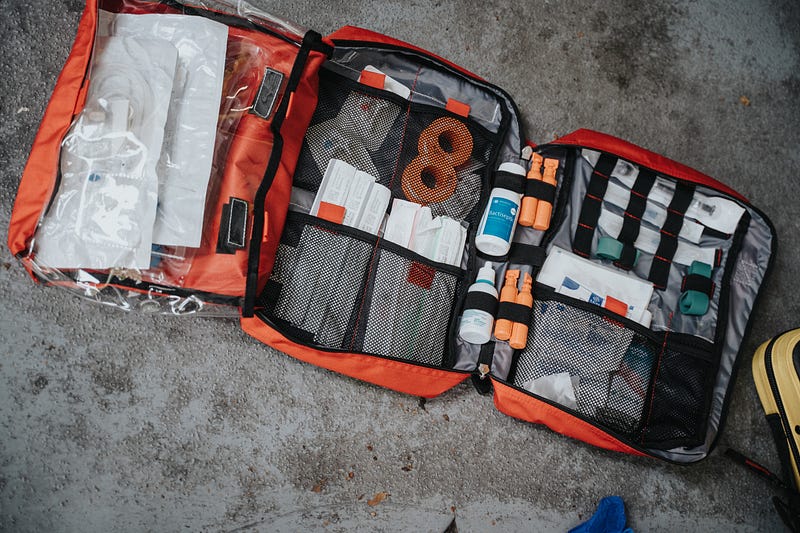
Survival medicine refers to the knowledge and techniques required to address medical emergencies when access to modern medical facilities and resources is limited or non-existent. In survival situations, medical emergencies can arise from a variety of causes, such as natural disasters, prolonged isolation, or life-threatening injuries. Survival medicine is essential for anyone who spends time in remote or wilderness areas, participates in outdoor activities, or lives in regions prone to disasters.
The fundamental principle of survival medicine is to provide basic medical care using the available resources. Survival medicine is not about performing advanced medical procedures or surgeries; it is about addressing life-threatening conditions, such as trauma, bleeding, shock, and infections, using the available resources. Survival medicine requires improvisation, ingenuity, and resourcefulness, as medical supplies and equipment may be limited or non-existent.
The following are some essential skills and knowledge required for survival medicine:
First Aid: First aid is the initial medical care provided to a person suffering from an injury or illness before professional medical help arrives. First aid can save lives, prevent injuries from worsening, and reduce the severity of the condition. Basic first aid skills, such as CPR, bleeding control, and wound care, are essential for survival medicine.
Trauma Management: Trauma is a significant cause of death in survival situations. Trauma management involves identifying and treating life-threatening injuries, such as fractures, dislocations, head injuries, and spinal injuries. Basic trauma management techniques, such as splinting, bandaging, and immobilization, are essential for survival medicine.
Infection Control: Infections are a common medical condition in survival situations, particularly in disaster-stricken areas. Infection control involves preventing and treating infections using basic hygiene practices, such as handwashing, wound cleaning, and sterilization. Knowing how to recognize and treat infections, such as skin infections, respiratory infections, and urinary tract infections, is essential for survival medicine.
Hydration and Nutrition: Hydration and nutrition are critical components of survival medicine. Dehydration and malnutrition can weaken the body’s immune system, making it more susceptible to illnesses and infections. Knowing how to find and purify water, and how to identify and gather food sources, is essential for survival medicine.
Medical Supplies and Equipment: While improvisation is an essential aspect of survival medicine, having basic medical supplies and equipment can make a significant difference in addressing medical emergencies. Basic medical supplies, such as bandages, antiseptics, pain relievers, and antibiotics, can help treat injuries and prevent infections. Essential medical equipment, such as splints, crutches, and tourniquets, can help stabilize injuries and prevent further damage.
Mental Health: Survival situations can be stressful, traumatic, and overwhelming, leading to mental health issues, such as anxiety, depression, and PTSD. Knowing how to recognize and address mental health issues, such as providing emotional support, practicing stress management techniques, and identifying the signs of mental illness, is essential for survival medicine.
Communication: In survival situations, communication is essential for seeking help, coordinating rescue efforts, and providing medical updates. Knowing how to communicate effectively using various means, such as radios, cell phones, and signal devices, is essential for survival medicine.
Emergency Planning: Emergency planning is the process of preparing for and responding to emergencies effectively. Planning for emergencies involves identifying potential risks, developing emergency plans, and practicing emergency drills. Emergency planning can help mitigate the impact of emergencies and reduce the risk of injuries and deaths.
Survival medicine is an essential skill for anyone who spends time in remote or wilderness areas or lives in regions prone to disasters. By learning the basics of survival medicine, you can be better prepared to handle medical emergencies when access to modern medical facilities and resources is limited or non-existent. Survival medicine requires improvisation, ingenuity, and resourcefulness, and the ability to think critically and make quick decisions under pressure. The ability to remain calm and focused during a medical emergency is also crucial for survival medicine.
In addition to the essential skills and knowledge listed above, there are several other factors to consider when it comes to survival medicine. For example, understanding the environment and terrain of the area
you will be traveling in can help you prepare for potential medical emergencies. You should also research the local flora and fauna, as well as any potential hazards, such as poisonous plants or venomous animals.
It’s also important to consider any pre-existing medical conditions you or your traveling companions may have. If someone has a chronic medical condition, such as diabetes or heart disease, it’s essential to plan ahead and ensure that they have the necessary medication and supplies with them.
Another crucial factor to consider is the potential for natural disasters, such as hurricanes, earthquakes, or wildfires. In these situations, access to medical facilities and resources may be severely limited, making survival medicine skills even more critical.
While survival medicine can be learned through books, online resources, and classes, it’s important to note that there is no substitute for hands-on experience. Participating in outdoor activities, such as camping, hiking, or backpacking, can provide valuable opportunities to practice survival medicine skills in a real-world setting.
It’s also important to note that while survival medicine skills can be helpful in emergency situations, seeking professional medical attention as soon as possible is always the best course of action. In a medical emergency, calling 911 or seeking medical help from a trained medical professional should always be a top priority.
In conclusion, survival medicine is an essential skill for anyone who spends time in remote or wilderness areas or lives in regions prone to disasters. Basic first aid skills, trauma management techniques, infection control, hydration and nutrition, and communication are just some of the essential skills and knowledge required for survival medicine. By learning and practicing survival medicine skills, you can be better prepared to handle medical emergencies when access to modern medical facilities and resources is limited or non-existent.
Hunting and trapping
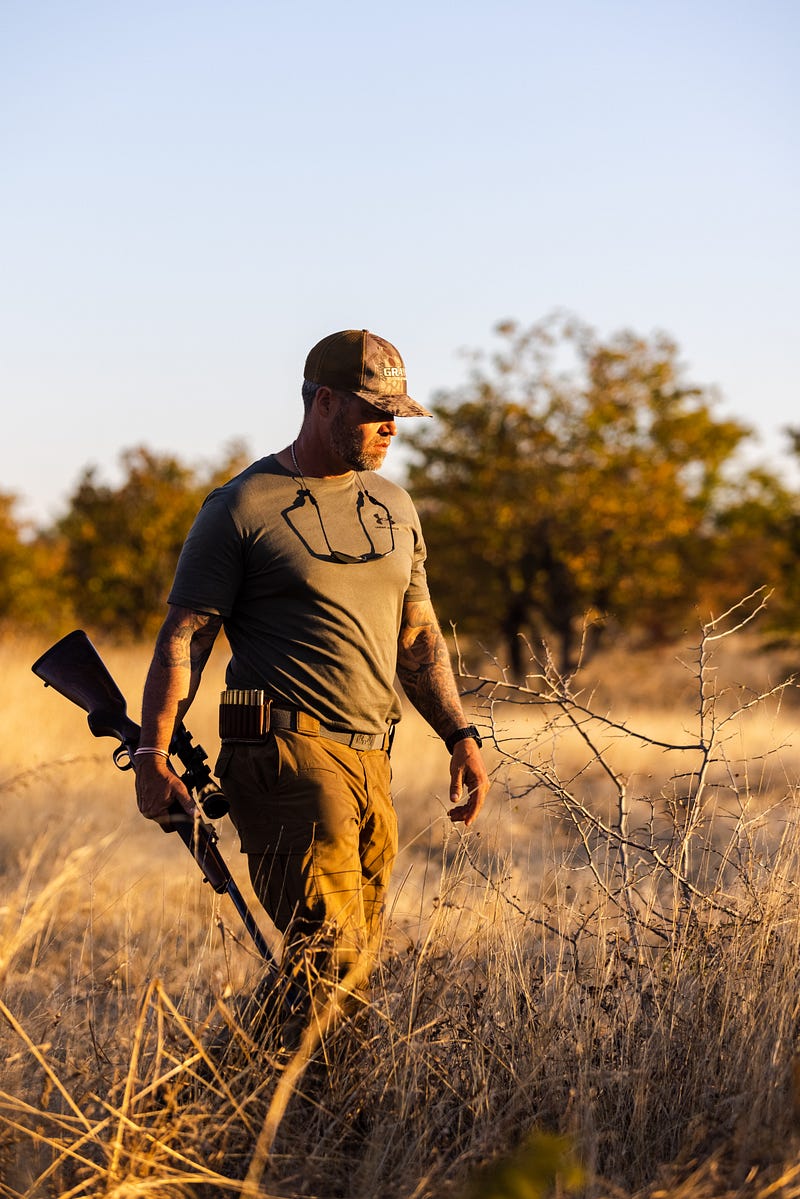
Hunting and trapping are ancient practices that have been utilized by humans for centuries to procure food and resources from the natural world. However, in modern times, these practices have become a topic of debate due to ethical and environmental concerns. While some individuals argue that hunting and trapping are necessary for maintaining wildlife populations and controlling invasive species, others believe that these activities are cruel and harmful to animals.
Hunting is the practice of pursuing and killing wild animals for food, sport, or other reasons. It is a popular pastime in many parts of the world, and there are many different types of hunting methods used. Some of the most common methods include bow hunting, rifle hunting, and trapping.
Trapping involves the use of devices such as snares, cages, and leg-hold traps to capture animals for food, fur, or other purposes. Trapping is often used to control animal populations, and it can be an effective method for managing certain species. However, like hunting, trapping is also controversial due to concerns about animal welfare and the impact on wildlife populations.
One of the main arguments in favor of hunting and trapping is that these practices can be used to control wildlife populations. In some cases, animal populations can grow too large, leading to overgrazing, disease, and other negative effects. Hunting and trapping can help to prevent these issues by reducing the number of animals in an area.
Another argument in favor of hunting and trapping is that these practices can provide a source of food and resources for people. Many people hunt and trap for sustenance, and these activities can be an important source of protein and other nutrients in some areas. Additionally, trapping can be a source of income for some people, particularly those who live in rural areas.
However, there are also many arguments against hunting and trapping. One of the main concerns is animal welfare. Many people argue that hunting and trapping are cruel and inhumane practices that cause unnecessary suffering to animals. In some cases, animals may be wounded but not killed, leading to a slow and painful death. Additionally, trapping can be particularly cruel, as animals may be trapped for days or even weeks before they are killed or released.
Another concern is the impact of hunting and trapping on wildlife populations. While these practices can be used to control populations of certain species, they can also have unintended consequences. For example, hunting or trapping a large number of predators can disrupt ecosystems by allowing prey populations to grow unchecked. Additionally, hunting and trapping can lead to the spread of diseases and other issues.
In recent years, many countries have implemented regulations and laws aimed at managing hunting and trapping activities. These regulations may limit the types of animals that can be hunted or trapped, the methods that can be used, and the number of animals that can be taken each season. Some countries also require hunters and trappers to obtain licenses or permits, which can help to ensure that these activities are carried out in a responsible and sustainable manner.
Ultimately, the decision to hunt or trap is a personal one that depends on individual beliefs, cultural traditions, and the laws and regulations in a particular area. While some people believe that hunting and trapping are necessary for managing wildlife populations and providing food and resources, others believe that these practices are cruel and unnecessary. As with any controversial issue, it is important to consider all perspectives and to make informed decisions based on the available evidence and information.
In addition to the ethical and environmental concerns surrounding hunting and trapping, there are also cultural and economic factors to consider. Hunting and trapping have been a part of human culture for thousands of years, and many people view these activities as important traditions that should be preserved. Additionally, in some areas, hunting and trapping can be a significant source of income for individuals and communities.
However, there are also concerns about the commercialization of hunting and trapping, particularly in the fur trade. Many animal rights activists argue that the fur industry is cruel and unnecessary, and that animals are often raised and killed in inhumane conditions. Furthermore, the global demand for fur has led to overhunting and trapping of certain species, which can have serious consequences for ecosystems and wildlife populations.
Another issue to consider is the safety of hunters and trappers. These activities can be dangerous, particularly if proper safety precautions are not taken. Every year, there are reports of hunters and trappers being injured or killed while pursuing their quarry. It is important for individuals to be trained in proper hunting and trapping techniques and to take appropriate safety measures to avoid accidents.
Finally, it is worth noting that there are alternatives to hunting and trapping for managing wildlife populations and providing food and resources. For example, some areas have implemented non-lethal methods for controlling animal populations, such as sterilization programs or habitat management. Additionally, there are many plant-based sources of protein and other nutrients that can be used as an alternative to hunting and trapping.
In conclusion, hunting and trapping are complex issues that raise a variety of ethical, environmental, cultural, and economic concerns. While these practices can be carried out in a responsible and sustainable manner, it is important to consider all perspectives and to make informed decisions. By implementing proper management and regulation, and exploring alternative methods for controlling animal populations and providing food and resources, we can ensure that hunting and trapping are carried out in a way that is both ethical and sustainable.
Disaster recovery
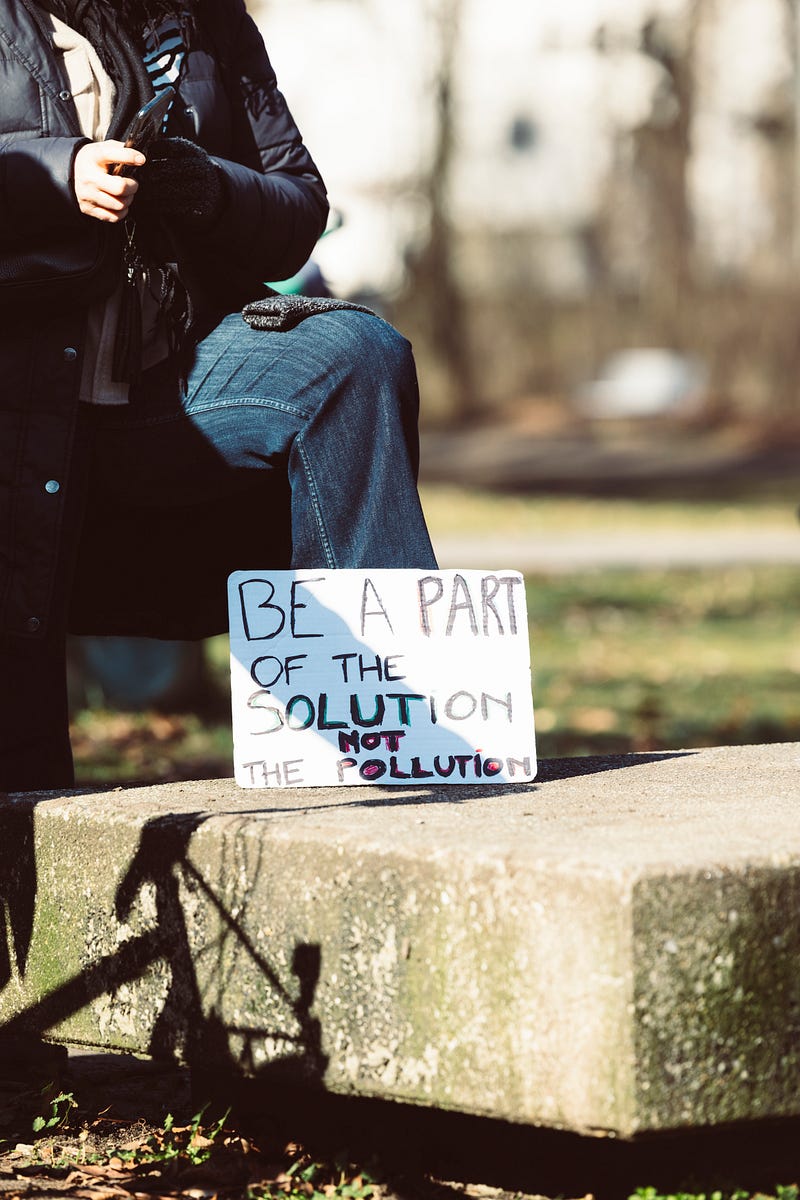
Disasters, both natural and man-made, can strike at any time, and can have devastating consequences for businesses and individuals alike. Disasters such as earthquakes, floods, fires, cyber-attacks, and power outages can cause severe disruptions to operations, leading to loss of data, revenue, and even reputation. This is where disaster recovery comes in — a process that is critical to business continuity and can make the difference between recovery and total collapse.
Disaster recovery refers to the process of restoring operations after a catastrophic event has occurred. It involves a range of activities aimed at minimizing the impact of the disaster, recovering lost data, and restoring normal operations as quickly as possible. The process involves a combination of planning, preparedness, and execution to ensure that businesses can continue to function during and after a disaster.
The first step in disaster recovery is to identify potential threats and vulnerabilities that can impact operations. This includes conducting a risk assessment to identify potential disasters and the likelihood of their occurrence. Once potential threats have been identified, businesses can develop plans and strategies to mitigate them.
A key component of disaster recovery planning is the development of a business continuity plan (BCP). A BCP is a comprehensive plan that outlines the procedures and processes to be followed in the event of a disaster. It includes a range of strategies, such as data backup, alternative work locations, and emergency communication procedures, to ensure that the business can continue to function in the face of a disaster.
Data backup and recovery is an essential component of disaster recovery planning. This involves backing up critical data and systems regularly to ensure that they can be recovered in the event of a disaster. Businesses should have a range of backup options, such as cloud-based backup or offsite backup, to ensure that data can be recovered quickly and efficiently.
Alternative work locations are also an important aspect of disaster recovery planning. This involves identifying alternative work locations, such as remote work locations or backup office locations, to ensure that business operations can continue in the event of a disaster. It is important to test these locations regularly to ensure that they are functional and can support business operations.
Communication is another critical component of disaster recovery planning. In the event of a disaster, it is essential to have effective communication channels in place to ensure that employees, customers, and stakeholders are kept informed. This includes developing emergency communication procedures and identifying key personnel who will be responsible for communicating with stakeholders during and after a disaster.
Testing and training are also critical components of disaster recovery planning. It is important to test the BCP regularly to ensure that it is effective and can be executed in the event of a disaster. This includes conducting regular disaster recovery drills and training employees on their roles and responsibilities in the event of a disaster.
Disaster recovery planning is not a one-time event but rather an ongoing process. As businesses evolve and new threats emerge, disaster recovery plans need to be updated and refined to ensure that they remain effective. Regular reviews and updates to the BCP and disaster recovery strategies are essential to ensure that businesses can continue to function in the face of new threats and challenges.
Disaster recovery planning is not only important for large corporations but also for small and medium-sized businesses. In fact, small businesses are more vulnerable to the impact of disasters due to their limited resources and lack of redundancy. Therefore, it is critical for small businesses to invest in disaster recovery planning to ensure that they can recover quickly and resume operations as soon as possible.
Moreover, disaster recovery planning is not just about reacting to disasters but also about preventing them from happening in the first place. Businesses can take proactive measures to minimize the risk of disasters by implementing security measures, such as firewalls, antivirus software, and intrusion detection systems. They can also implement physical security measures, such as access control, surveillance cameras, and backup power systems, to prevent unauthorized access and mitigate the impact of disasters.
Furthermore, disaster recovery planning should not be limited to just IT systems and data but also include other critical business functions, such as finance, human resources, and supply chain management. In the event of a disaster, these functions may also be impacted, leading to significant disruptions in business operations. Therefore, it is important to identify the critical functions and processes that need to be restored quickly and develop strategies to mitigate their impact.
Finally, disaster recovery planning is not a guarantee that a business will recover from a disaster, but it is a necessary step to minimize the impact of a disaster and increase the chances of recovery. Therefore, businesses should prioritize disaster recovery planning and allocate sufficient resources to ensure that they are well prepared to handle any potential disasters.
In conclusion, disaster recovery is a critical process for businesses to ensure that they can continue to function in the face of a disaster. It involves a range of activities, including planning, preparedness, and execution, to ensure that businesses can recover from a catastrophic event as quickly and efficiently as possible. Effective disaster recovery planning involves identifying potential threats, developing a BCP, backing up critical data, identifying alternative work locations, developing emergency communication procedures, testing and training, and regularly reviewing and updating plans and strategies. By taking these steps, businesses can mitigate the impact of a disaster and ensure that they can continue to function in the face of adversity.
Survival mindset
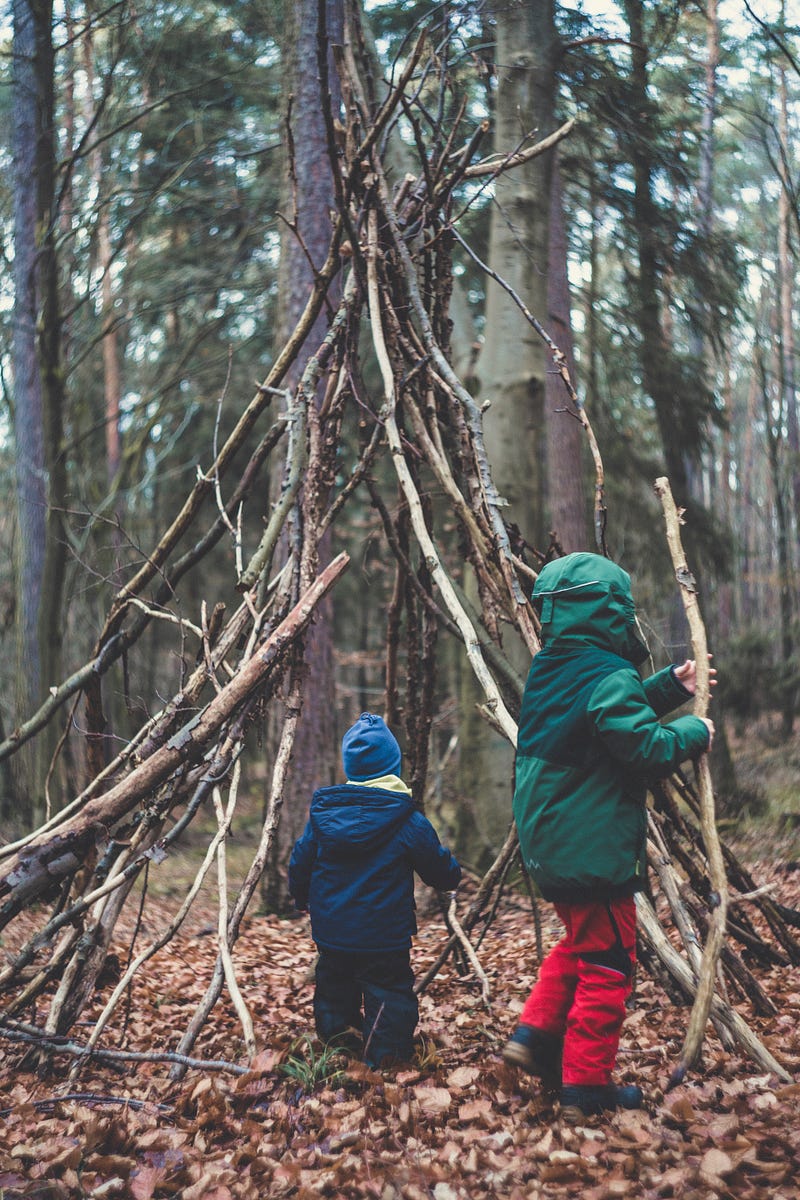
Survival mindset is a mental attitude that enables individuals to overcome adverse situations and emerge victorious. It is the ability to remain calm, think rationally, and take appropriate action in the face of danger or uncertainty. Whether you’re lost in the wilderness or facing a life-threatening illness, having a survival mindset can be the key to your success. In this article, we’ll explore what a survival mindset is, why it’s important, and how to develop it.
What is a survival mindset?
A survival mindset is a mental attitude that enables individuals to overcome adversity and succeed in challenging situations. It’s a state of mind that involves remaining calm, focused, and determined even in the face of danger, uncertainty, or extreme stress. Individuals with a survival mindset understand that there are no guarantees in life and that they must take personal responsibility for their own safety and well-being.
Why is a survival mindset important?
Having a survival mindset is important for several reasons. First and foremost, it can help individuals overcome adverse situations and emerge victorious. It can be the difference between life and death in life-threatening situations, such as natural disasters or combat situations. Additionally, a survival mindset can help individuals cope with everyday stressors, such as financial hardship or job loss. It can help them remain focused, motivated, and determined to overcome obstacles and achieve their goals.
How to develop a survival mindset
Developing a survival mindset takes time, effort, and practice. Here are some tips to help you develop a survival mindset:
1. Set goals and make a plan
The first step in developing a survival mindset is to set goals and make a plan. Determine what you want to achieve and what steps you need to take to get there. Having a clear goal and a plan can help you remain focused and motivated even in the face of adversity.
2. Practice positive self-talk
Positive self-talk involves replacing negative thoughts and beliefs with positive ones. For example, instead of thinking “I can’t do this,” replace it with “I can do this, and I will succeed.” Positive self-talk can help you remain calm, focused, and motivated in challenging situations.
3. Build resilience
Resilience is the ability to bounce back from adversity. To build resilience, you need to develop coping skills and strategies that can help you overcome stress and adversity. Examples of coping skills include deep breathing, meditation, exercise, and spending time with loved ones.
4. Learn new skills
Learning new skills can help you build confidence and increase your chances of success in challenging situations. For example, if you’re planning a wilderness adventure, learn basic survival skills such as building a fire or finding shelter. Knowing that you have the skills to survive can help you remain calm and focused in the face of danger.
5. Practice mindfulness
Mindfulness involves being present in the moment and aware of your thoughts and feelings. It can help you remain calm and focused even in stressful situations. To practice mindfulness, try meditating, focusing on your breath, or simply paying attention to your surroundings.
6. Embrace challenges
Embracing challenges can help you develop a growth mindset, which is the belief that your abilities can improve through effort and perseverance. Instead of avoiding challenges, embrace them as opportunities to learn and grow. This can help you develop the resilience and determination you need to overcome adversity.
7. Build a support network
Having a support network can provide you with the emotional and practical support you need to overcome adversity. Build relationships with family, friends, and colleagues who can offer support and encouragement in challenging times.
In addition to the personal benefits of developing a survival mindset, there are also societal benefits. Individuals with a survival mindset are more likely to be self-reliant, responsible, and able to contribute to their communities in times of need. By developing a survival mindset, you can become a valuable asset to your family, your community, and society as a whole.
It’s important to note that developing a survival mindset is not just about preparing for extreme situations like natural disasters or combat situations. It’s also about being prepared for the everyday challenges that we all face, such as job loss, financial hardship, or health issues. A survival mindset can help you remain calm, focused, and determined in the face of these challenges, and can increase your chances of emerging stronger on the other side.
Another important aspect of developing a survival mindset is to learn from your experiences. When you face a difficult situation, take the time to reflect on what worked well and what could be improved. This can help you refine your skills and strategies, and be better prepared for future challenges.
It’s also important to recognize that developing a survival mindset is an ongoing process. You can’t simply learn a few skills and techniques and expect to be fully prepared for any situation that comes your way. Instead, it’s a continual process of learning, growing, and adapting to new challenges and situations.
Finally, it’s important to remember that developing a survival mindset is not just about individual preparation. It’s also about being part of a community that is prepared and resilient. By working with others to develop emergency plans, share resources, and support each other in times of need, we can all be better prepared to overcome adversity and emerge stronger on the other side.
Conclusion
Having a survival mindset is essential for overcoming adversity and achieving success in life. It involves remaining calm, focused, and determined even in the face of danger, uncertainty, or extreme stress. Developing a survival mindset takes time, effort, and practice, but the rewards are well worth the investment. By setting goals, practicing positive self-talk, building resilience, learning new skills, practicing mindfulness, embracing challenges, and building a support network, you can develop a survival mindset that will serve you well in all areas of your life.
It’s important to remember that a survival mindset is not something that you either have or don’t have. It’s a skill that can be learned and developed over time. By practicing the strategies outlined above, you can train your mind to remain calm and focused in even the most challenging situations.




No comments